Berhalter Fired: How the USMNT's Copa América Collapse Ended an Era
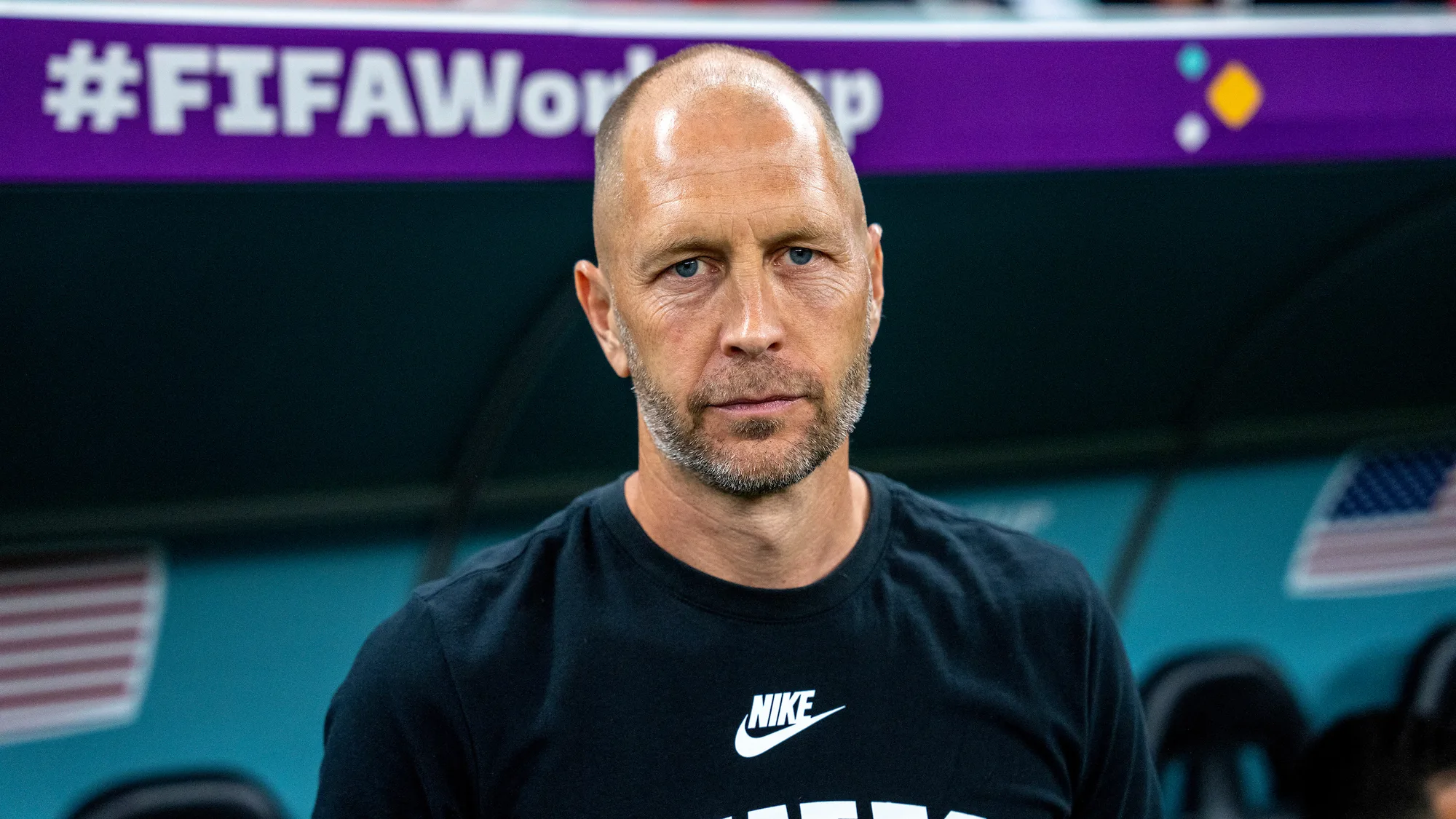

The Beginning of the End
It didn't end with a press conference or a graceful farewell. It ended, effectively, in a stadium in Kansas City on July 1, 2024, when Uruguay's Matthías Olivera headed in a rebound in the 66th minute and the United States men's national team was eliminated from the Copa América — a tournament they were hosting — in the group stage. Nine days later, U.S. Soccer made it official: Gregg Berhalter was fired.
It was the right call. That doesn't make it an easy sentence to write, because Berhalter is a decent man who built genuine culture within this squad and presided over some real accomplishments. But the Copa América was supposed to be the moment of validation for everything he'd built in his second stint. Instead, it became the clearest possible evidence that the program had stalled under his watch.
The Collapse in Three Acts
The USMNT's Copa América campaign played out like a cautionary tale in three uncomfortable chapters. Act one: a 2-0 win over Bolivia that felt solid enough but quietly papered over tactical limitations against a weak opponent. Act two: the catastrophe in Atlanta. Panama, a team the United States had historically dominated, walked out of Mercedes-Benz Stadium with a 2-1 win that sent shockwaves through the American soccer world. The loss wasn't just a result — it was a referendum on everything Berhalter had been building. Fans chanted "Fire Gregg" audibly through the final whistle.
Act three: Kansas City, July 1. Needing a win against Uruguay to advance, and needing Panama to not beat Bolivia, the United States came up empty on both fronts. Uruguay's Olivera scored off a rebound Berhalter's defense should have cleared. The United States finished third in Group C with three points — the same total Panama had — and went home early from a World Cup warm-up event that was supposed to announce their arrival as genuine 2026 contenders. It was, as ESPN's report put it at the time, the first time the USMNT had been eliminated from the group stage of any competition they hosted.
The Review That Sealed His Fate
U.S. Soccer said publicly that it would conduct a "comprehensive" post-tournament review before making any decisions. In practice, that review lasted nine days. Sporting director Matt Crocker told reporters the process was "not broad at all — specifically quite narrow," and that the conclusion was clear: benchmarks hadn't been met. Progress had been made, he acknowledged, but the time had come to turn progress into winning.
Berhalter's own statement was measured and gracious. He took full responsibility for the Copa América result, expressed pride in the identity the program had built, and voiced confidence that the players would have a strong 2026. Given everything — including the fact that he'd survived a domestic misconduct allegation from 2022, been cleared by an independent investigation, and been rehired in June 2023 on a contract that was supposed to run through the World Cup — it was a dignified exit from a man who'd clearly given the job everything he had.
The Numbers Tell the Story
Berhalter's final record with the USMNT was 44 wins, 17 losses, and 13 draws across 74 matches in two stints. That looks reasonable on the surface. But his second stint — the one that was supposed to capitalize on the momentum from Qatar 2022 — ended with seven wins, six losses, and one draw in 14 matches. He led the team to CONCACAF Nations League titles in 2020 and 2024, and a Gold Cup win with a B team in 2021. Those are real accomplishments. They're just not enough for a program that co-hosts the world's biggest sporting event in two years.
The Copa América performance was particularly damning because of what it revealed about the gap between this USMNT and genuine international contenders. Uruguay handled the United States with relative ease. Panama exposed tactical predictability and a lack of attacking creativity that was genuinely alarming. The talent in this squad — Pulisic, McKennie, Robinson, Adams — was underutilized. That's not entirely on the players. That's on the coach.
What He Leaves Behind
To be fair to Berhalter: the culture within the squad was legitimate. Players repeatedly praised the environment he fostered, the team bonding he prioritized, and the clarity he brought to the national team setup after years of organizational chaos. The 2022 World Cup run to the round of 16 was a genuine achievement. The Nations League wins were competitive. He also brought Folarin Balogun into the USMNT fold, a decision that added real quality to the attacking options available to whoever came next.
But culture without results, at this level, with this much on the line, isn't enough. The 2026 World Cup on home soil is either going to be one of the greatest moments in American sports history or a deeply embarrassing national event depending entirely on what happens on the pitch. Berhalter's Copa América result made clear he was not the right person to guarantee the former outcome.
Why This Matters for the USMNT Going Forward
Berhalter's firing marks the end of a five-year chapter that produced genuine progress and genuine disappointment in roughly equal measure. What comes next — and what came next, in the form of Mauricio Pochettino's hiring two months later — represents the federation's biggest bet on the future of American soccer. The Copa América group stage exit was a painful moment. But it may ultimately be the catalyst the USMNT needed to find the leadership capable of making 2026 mean something.