Brazil vs. Haiti: Matheus Cunha's Breakout Night Powers Seleção Into Knockout Position
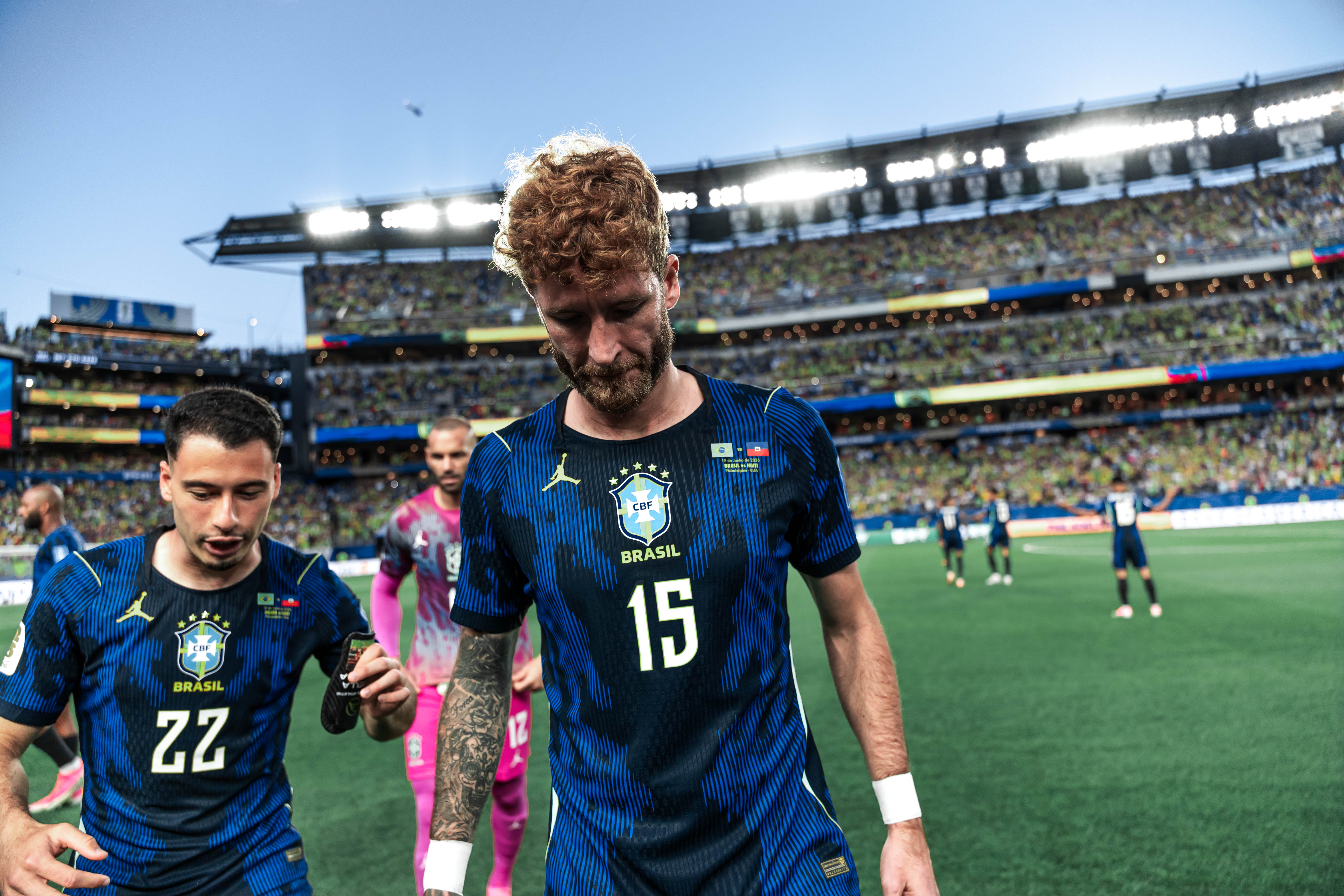

The pressure wasn't panic-level yet, but it was getting close.
A week after a frustrating draw against Morocco left Brazilian supporters searching for answers, debating lineups, and wondering why one of the most talented squads in international football looked strangely disconnected, the Seleção arrived in Philadelphia needing something more than three points.
They needed a reminder of who they are.
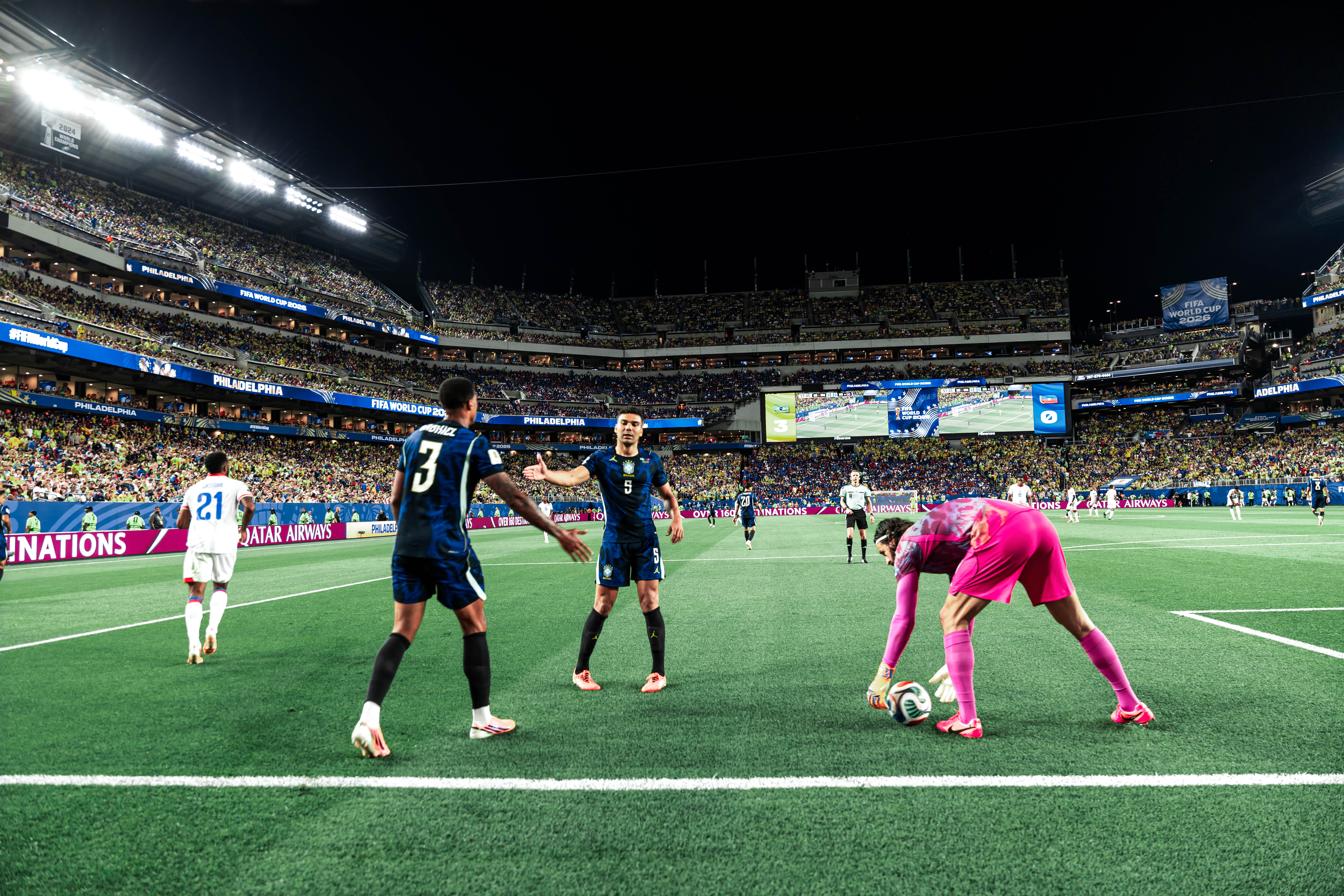
On Friday night at Lincoln Financial Field, they got exactly that.
Behind a two-goal performance from Matheus Cunha and another electric outing from Vinícius Júnior, Brazil cruised past Haiti 3-0 in front of more than 68,000 fans, delivering the type of convincing victory that settles nerves, reignites confidence, and keeps World Cup expectations very much alive.
The scoreline was comfortable.
The atmosphere was festive.
The questions surrounding Brazil? Well, some of them still linger.
Because while the five-time world champions finally looked closer to the version of themselves everyone expected entering the tournament, Haiti is not Morocco, and Haiti certainly is not France, Argentina, or any of the heavyweight contenders waiting deeper in the competition.
Still, after the opening draw, Brazil didn't need perfection.
They needed a pulse.
They found one.
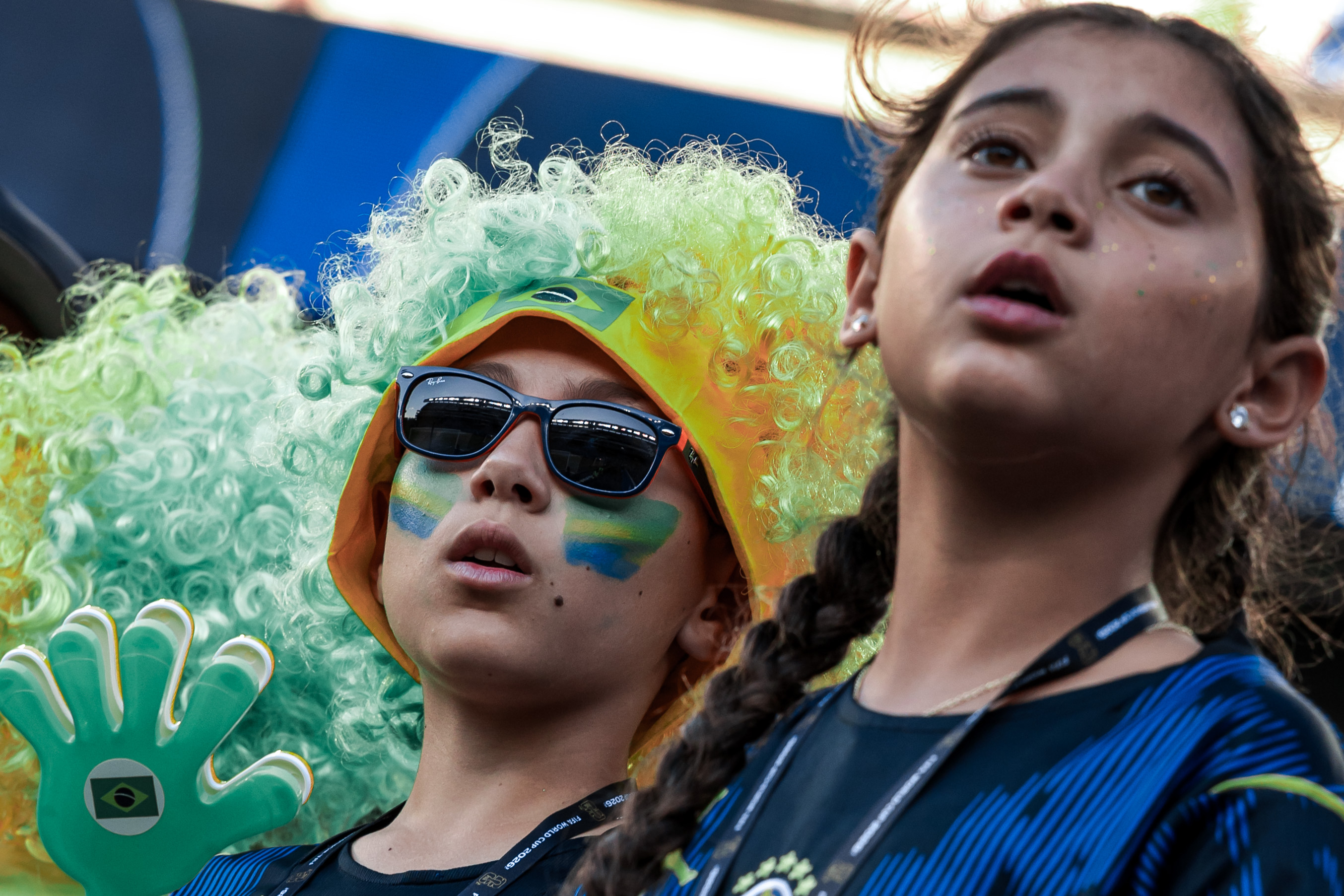
Cunha Answers the Call
If there was one player who walked off the field with his reputation dramatically improved, it was Matheus Cunha.
The Manchester United forward entered this tournament surrounded by uncertainty. Brazil's striker situation has been one of the biggest talking points in the country over the past year, with supporters desperately searching for the next great No. 9 capable of leading the attack.
Some wanted Endrick.
Others wanted Igor Thiago.
Friday belonged to Cunha.
From the opening whistle, he looked aggressive, decisive, and far more connected to the rhythm of the attack than Brazil's center forwards had looked in the opener.
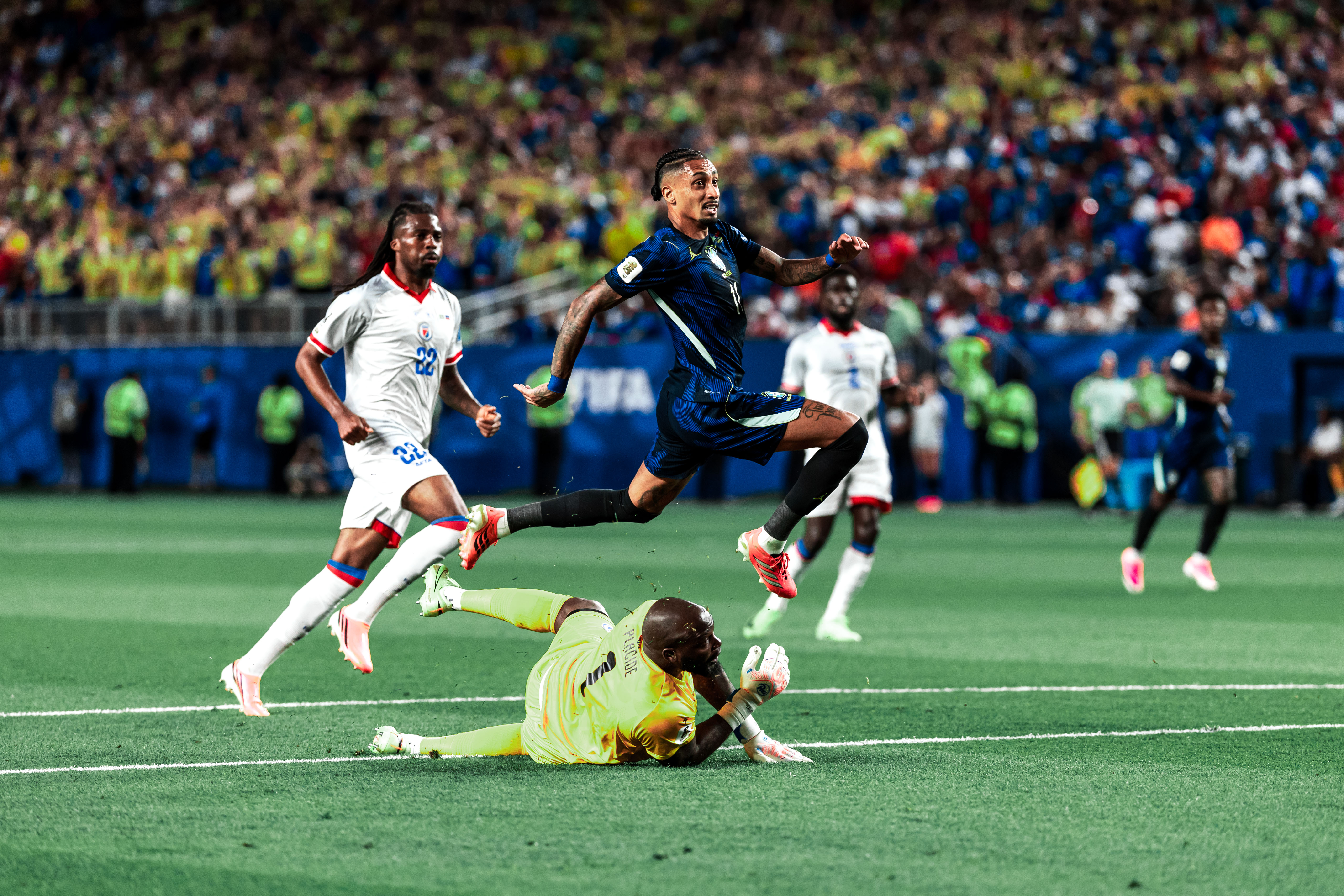
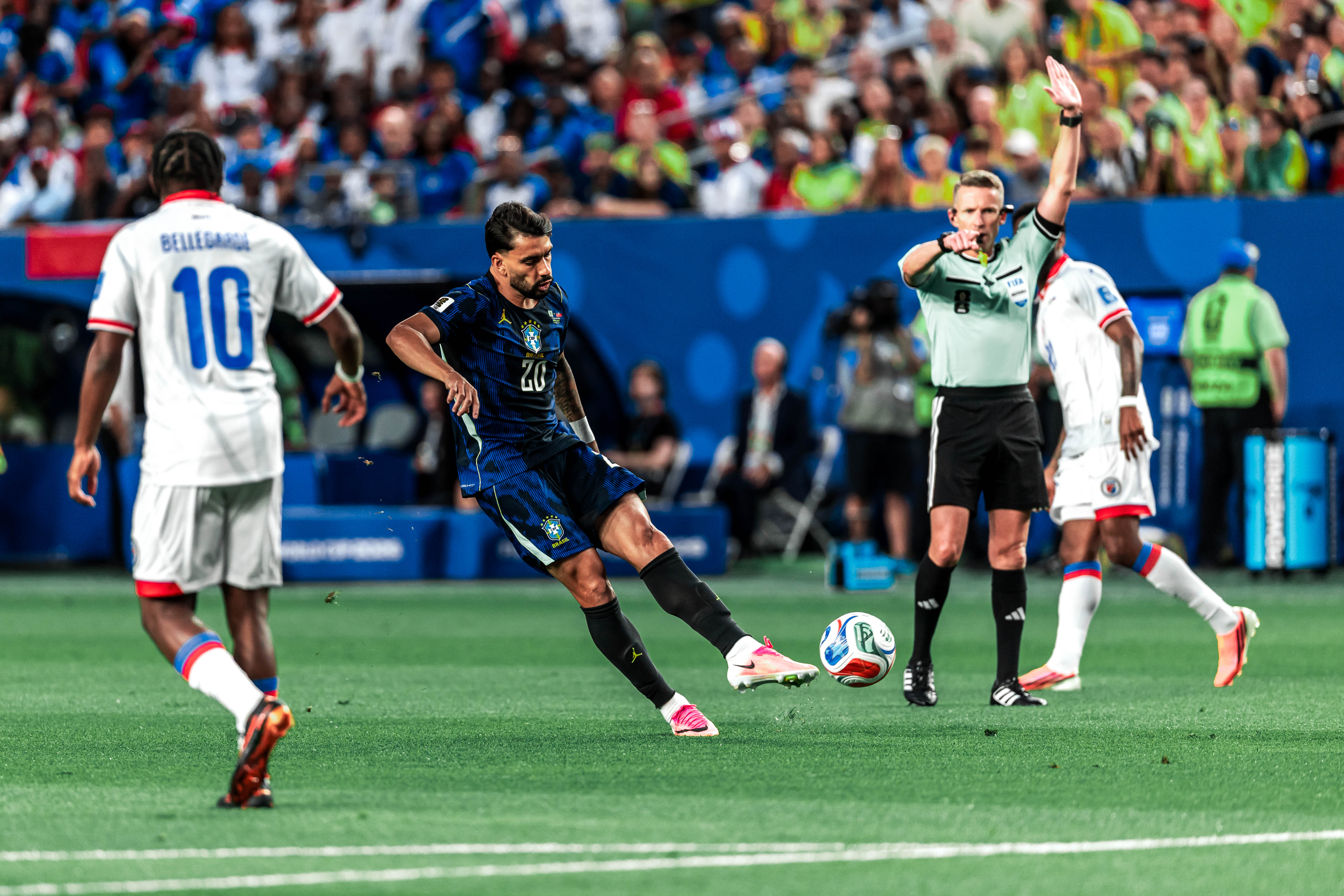
His first goal arrived after Vinícius Júnior created chaos in the penalty area. The Real Madrid superstar forced a save from Haiti goalkeeper Johny Placide, but Cunha reacted quickest, pouncing on the rebound and smashing home the finish.
Simple goal.
Important goal.
Exactly the type of striker's finish Brazil has been missing.
His second was even better.
Vinícius slipped a perfectly weighted pass through Haiti's defensive line, and Cunha did the rest. One touch to set himself. One powerful finish into the upper corner. No hesitation. No mercy.
Game over.
By halftime, Haiti was chasing shadows.
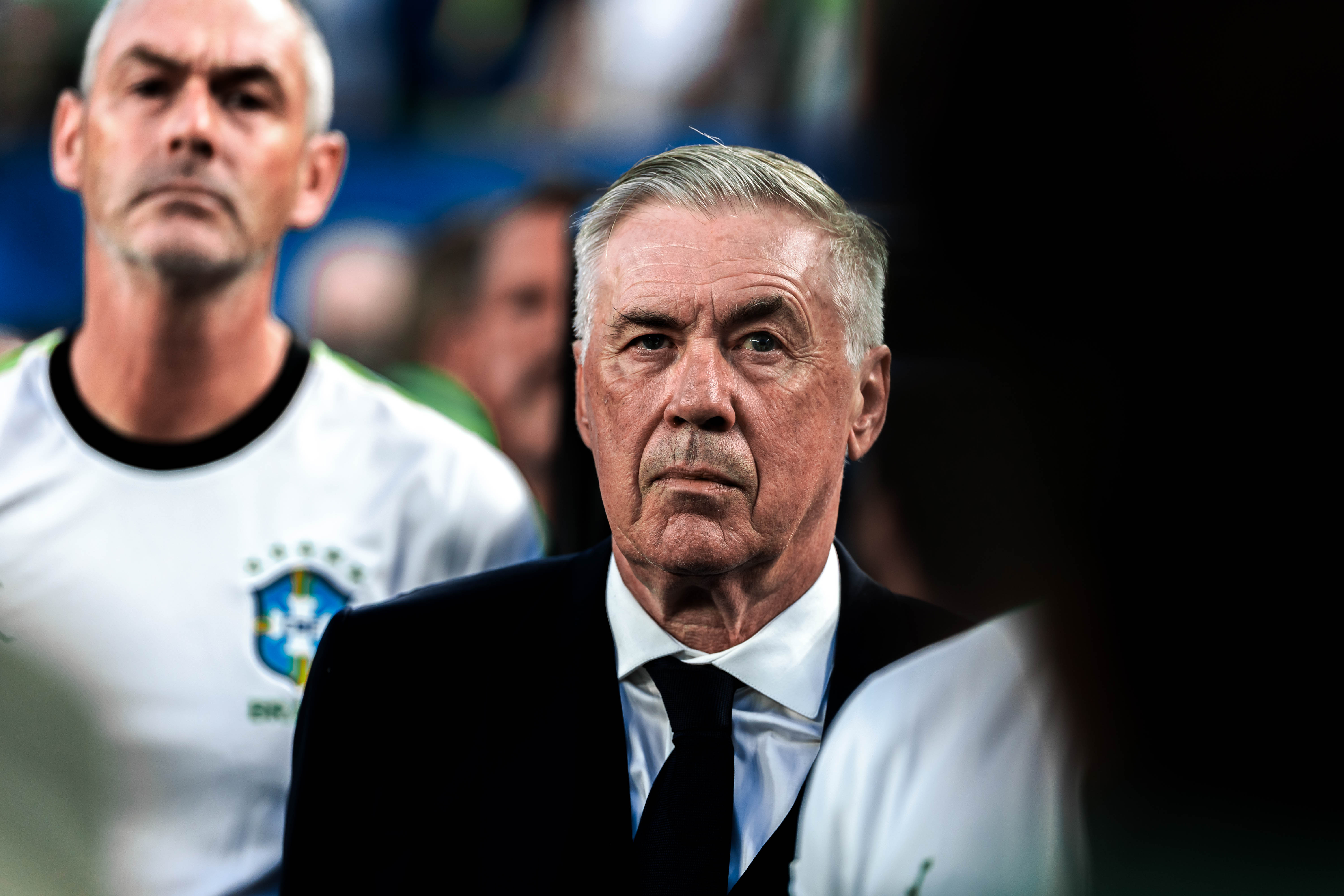
By halftime, Cunha had likely earned himself another serious look in Carlo Ancelotti's plans moving forward.
That doesn't mean the striker debate is over.
Far from it.
Ancelotti has made it clear he values flexibility, and Brazil's roster construction almost demands tactical experimentation. Cunha can play as a traditional striker. He can drop deeper. He can function as a hybrid creator.
What Friday proved is that he deserves to be part of the conversation.
And right now, that conversation feels a lot less hypothetical.
Vinícius Júnior Reminded Everyone He's a Superstar
There are games where Vinícius Júnior accumulates statistics.
Then there are games where he controls the emotional temperature of the match.
This was the second kind.
Every dangerous Brazilian attack seemed to pass through him.
Every time he touched the ball, Haiti's defense looked uncomfortable.
His combination of pace, creativity, movement, and confidence repeatedly stretched the field and created opportunities that simply didn't exist against Morocco.
The assist on Cunha's second goal was outstanding.
The goal he scored himself before halftime was equally important.
But neither fully captures how influential he was throughout the match.
This version of Vinícius looked liberated.
Aggressive.
Confident.
Dangerous.
The exact version Brazil needs if they're serious about ending a World Cup title drought that stretches back to 2002.
And perhaps the most encouraging development wasn't his goal contribution total.
It was how many different ways he impacted the game.
One-on-one situations.
Movement off the ball.
Combination play.
Chance creation.
Everything felt sharper.
Everything felt more intentional.
At times, he looked like the player capable of carrying Brazil through difficult moments later in the tournament.
That's a massive development.
Because while Brazil possesses plenty of talent, very few players in world football can single-handedly alter a match the way Vinícius can when he's operating at full confidence.
The Turning Point Wasn't a Goal
Oddly enough, the defining moment of the evening may not have been one of Brazil's three goals.
It might have been Raphinha's injury.
Just before halftime, the Barcelona winger exited with what appeared to be a muscular issue after struggling physically during the first half.
Brazil now waits anxiously for testing results.
And that's where the bigger tournament picture starts to emerge.
Losing Raphinha would fundamentally alter how Brazil attacks.
He's one of the team's primary creators and one of their most reliable final-third playmakers. Replacing his production isn't as simple as plugging another winger into the lineup.
The substitution itself revealed that reality.
Nineteen-year-old Rayan entered the match, bringing an entirely different skill set and forcing Brazil to adjust its structure.
Later, Ancelotti shifted into a more aggressive setup that resembled a 4-2-4 formation, pushing Vinícius closer to goal and loading the field with attacking talent.
Against Haiti, it worked.
Against elite competition?
That's another question entirely.
But that's also what makes Ancelotti one of the most respected managers in football history.
He's not married to a single solution.
He's building contingency plans in real time.
And tournaments are often won by managers who adapt fastest when circumstances change.
Haiti's Dream Continues Despite Elimination
The scoreboard tells one story.
The tournament journey tells another.
For Haiti, Friday's loss officially ended hopes of reaching the knockout rounds.
Yet reducing this World Cup appearance to one result would miss the bigger picture entirely.
This tournament represented Haiti's first World Cup appearance since 1974.
For a nation that has endured political instability, economic hardship, and countless challenges over the last several decades, simply reaching this stage carried enormous significance.
The Haitian supporters who filled sections of Lincoln Financial Field never stopped singing.
Never stopped dancing.
Never stopped believing.
Even after Brazil's goals piled up.
That's not something that appears in a box score.
But it matters.
Head coach Sébastien Migné acknowledged the gap between the two teams afterward, but he also praised his squad's mentality.
And honestly, he should.
Because despite the result, Haiti showed exactly why they deserved to be here.
The talent gap was significant.
The effort gap was not.
The Stats That Actually Matter
You can drown yourself in possession numbers and passing percentages if you want.
The more important numbers were these:
- Brazil scored three goals after managing just one in the opener.
- Matheus Cunha scored twice after entering the tournament with major questions surrounding his role.
- Vinícius Júnior recorded a goal and an assist while serving as Brazil's most dangerous player.
- Brazil secured its first win of the tournament and remains in position to finish atop Group C.
- Haiti became the first team officially eliminated from advancement in the expanded 48-team format.
Those are the numbers shaping narratives.
And narratives matter during World Cups.
Sometimes almost as much as tactics.
What This Means Going Forward
The challenge for Brazil now becomes avoiding overreaction.
The performance was good.
Very good, actually.
But context matters.
Haiti entered the match as a significant underdog.
Brazil was expected to win.
The victory itself doesn't suddenly transform the Seleção into tournament favorites.
What it does provide is momentum.
Confidence.
Validation.
A reminder that the talent level inside this squad remains extraordinarily high.
Even more encouraging, several players who faced criticism after the Morocco draw responded immediately.
Casemiro looked more comfortable.
The midfield looked more organized.
The attack generated opportunities consistently.
Most importantly, the team looked emotionally lighter.
That matters.
World Cups have a way of magnifying pressure until even the most gifted players begin carrying unnecessary weight.
Brazil looked free again.
That's dangerous for the rest of the field.
Especially with Neymar potentially returning for the final group-stage match against Scotland.
If the all-time leading scorer returns healthy and Vinícius continues playing at this level, Brazil's ceiling immediately rises.
Substantially.
Final Whistle
Philadelphia has spent nearly fifty years celebrating Rocky Balboa, a fictional boxer whose greatest strength wasn't talent.
It was resilience.
His ability to absorb punishment, adapt, and keep moving forward.
Brazil arrived in the City of Brotherly Love needing a response after absorbing criticism all week.
They delivered one.
Not a perfect one.
Not necessarily a championship-defining one.
But a meaningful one.
Matheus Cunha announced himself.
Vinícius Júnior looked every bit the superstar.
Carlo Ancelotti gained valuable answers while uncovering a few new questions.
And perhaps most importantly, Brazil reminded everyone that while this team may not possess the overwhelming dominance of past Seleção generations, it still possesses enough talent, creativity, and belief to make a serious run at lifting football's most coveted trophy.
The road ahead will get harder.
The opponents will get stronger.
The margins will get thinner.
But for one night in Philadelphia, Brazil finally looked like Brazil again.