Dallas Trinity vs. DC Power FC: A USL Super League Statement Night
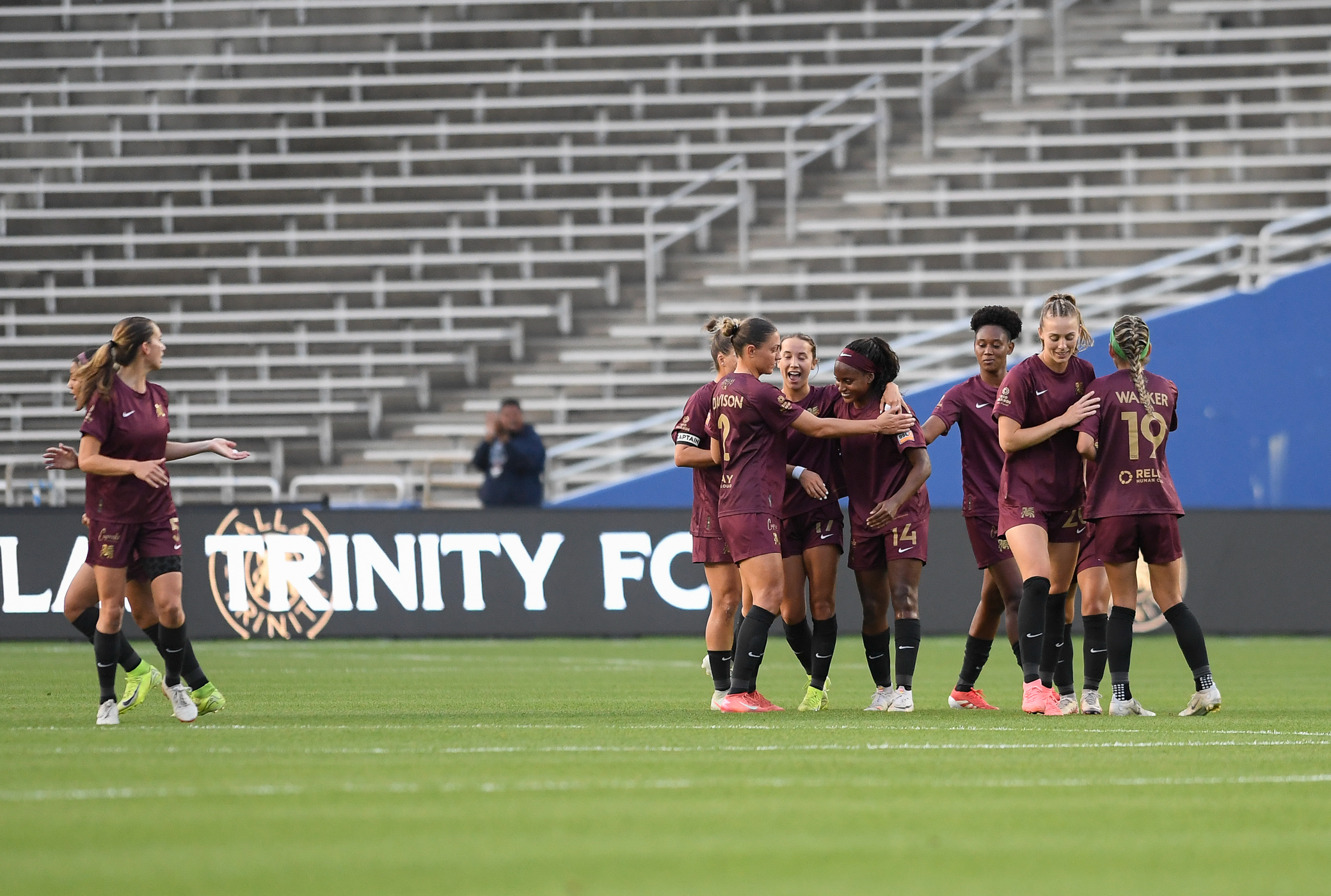

There's a particular kind of buzz that surrounds a league still writing its own origin story. You can feel it in the stands, hear it in the chants, and see it in the way players sprint to every loose ball like it might define a season. That's the energy Dallas Trinity FC and DC Power FC poured onto the pitch on April 2nd — a USL Super League matchup that doubled as a reminder that women's professional soccer in America isn't just expanding, it's evolving in real time.
Two clubs born into the inaugural season of the USL Super League. Two cities hungry to plant flags in a sport that's never been hotter in this country. And one night that delivered everything the league has been promising since kickoff.
A League Finding Its Identity in Real Time
The USL Super League launched with a bold pitch: a Division I women's professional league running on a fall-to-spring calendar, modeled more like Europe's top flights than the NWSL. The skeptics weren't quiet about it. How do you build a fan base from scratch? How do you compete for talent? How do you make the product matter?
Matches like Dallas Trinity vs. DC Power FC are the answer. The pace was relentless from the opening whistle, the tackles were committed, and the technical quality on display made it clear that the Super League isn't a developmental afterthought. These are players competing for jobs, contracts, and a foothold in a league that could shape the next decade of American women's soccer.
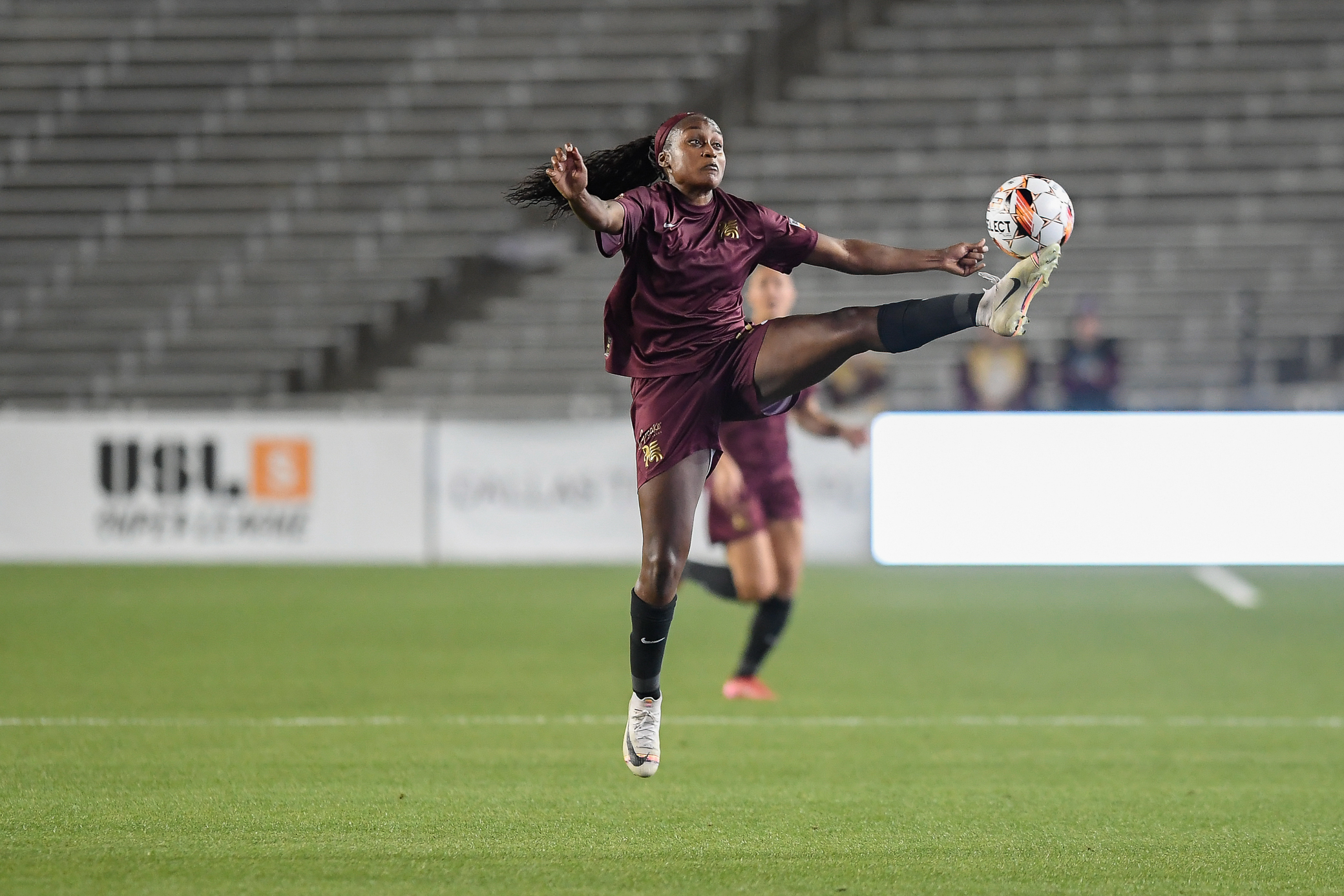
Dallas Trinity FC: Building Something Real in North Texas
Dallas Trinity FC has quietly become one of the most compelling stories of the inaugural season. Playing in a soccer-mad market that's long been overdue for a women's pro side, Trinity has leaned into a possession-based identity that demands a lot of its midfielders and asks defenders to be comfortable on the ball under pressure.
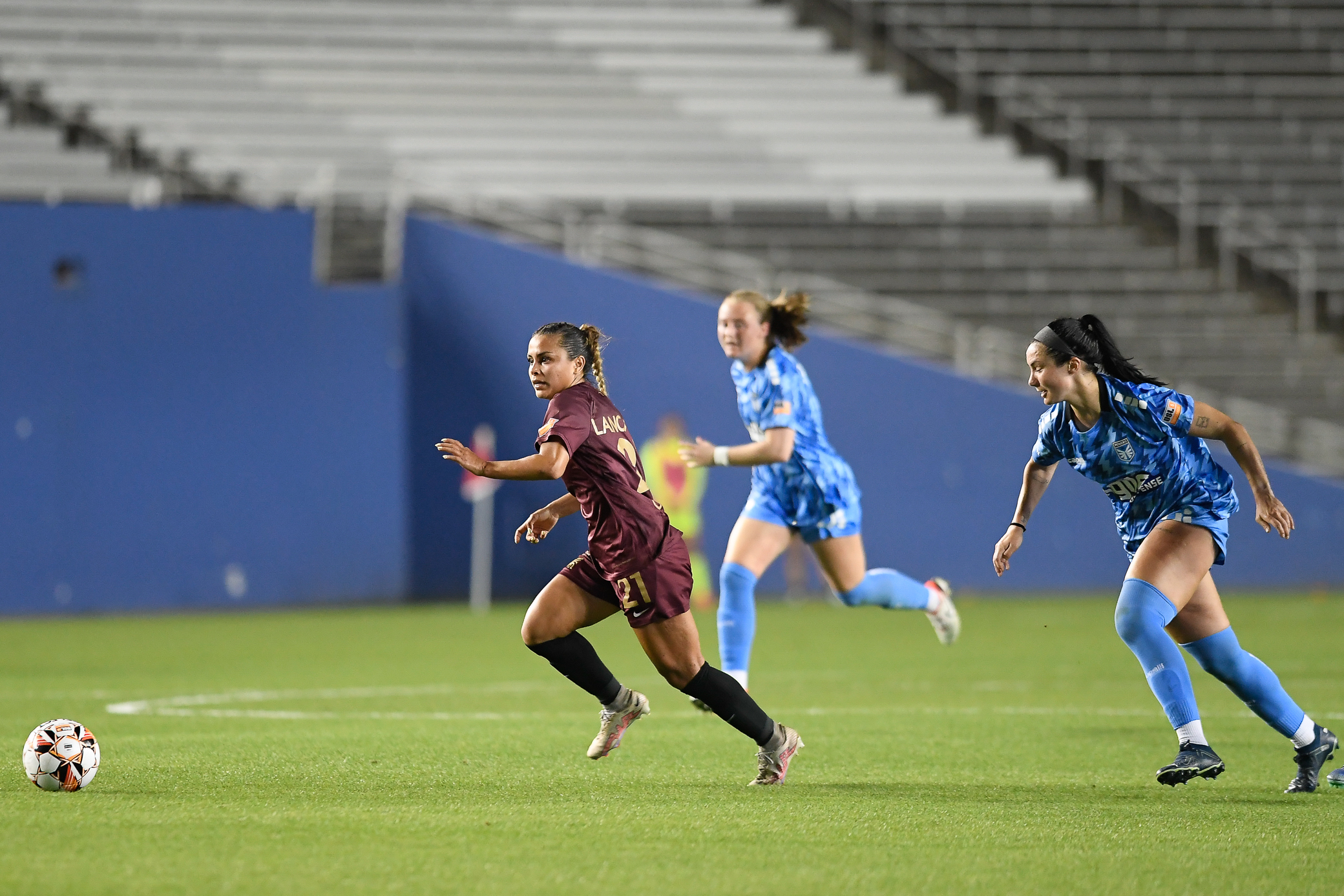
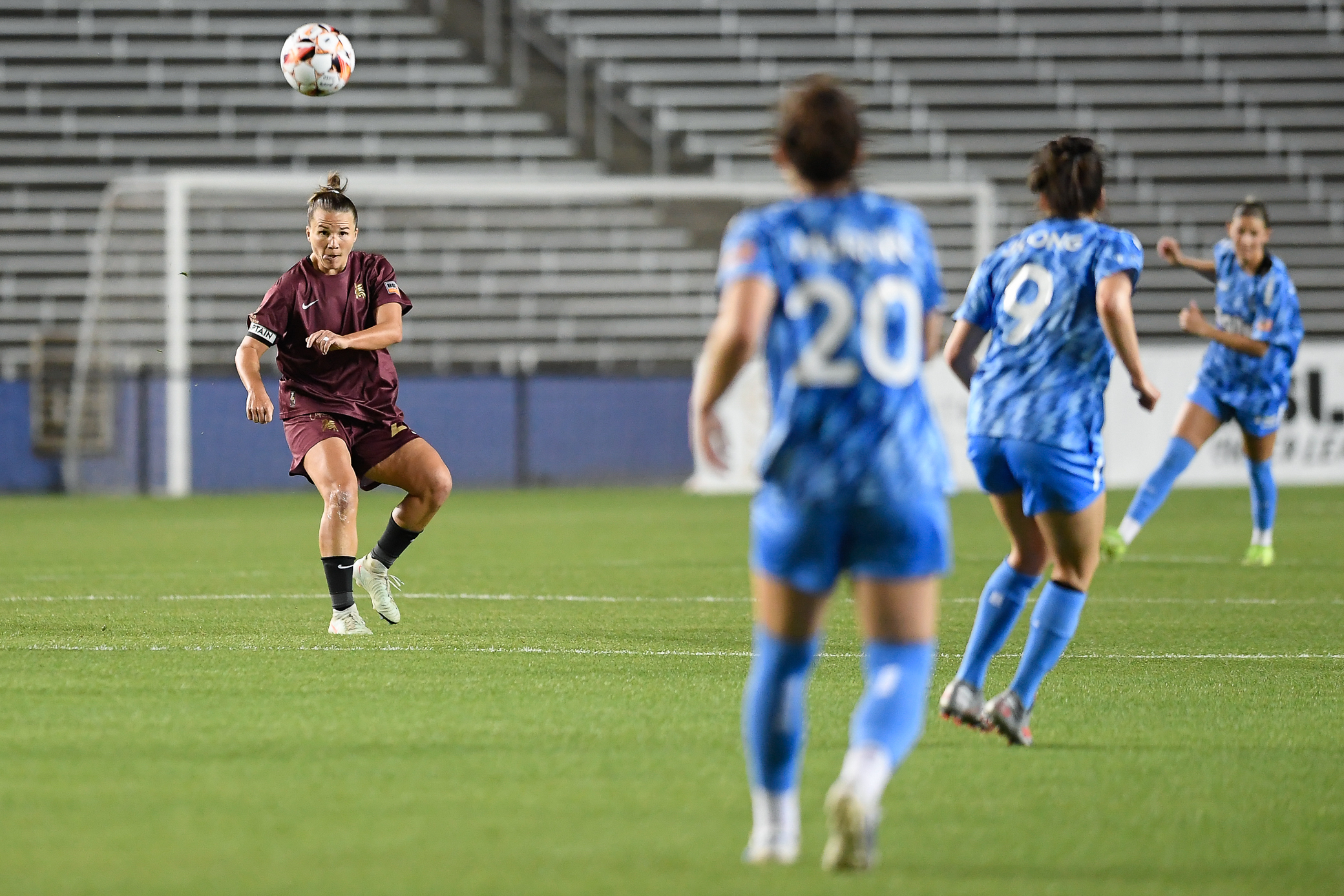
Against DC Power, that identity was tested. Dallas dictated long stretches of the match, working the ball through the thirds and pulling Power's shape wide before looking for vertical passes into the channels. When it clicked, it looked like a side punching above its expansion-club weight class. When it didn't, you could see the growing pains of a roster still learning each other's instincts.
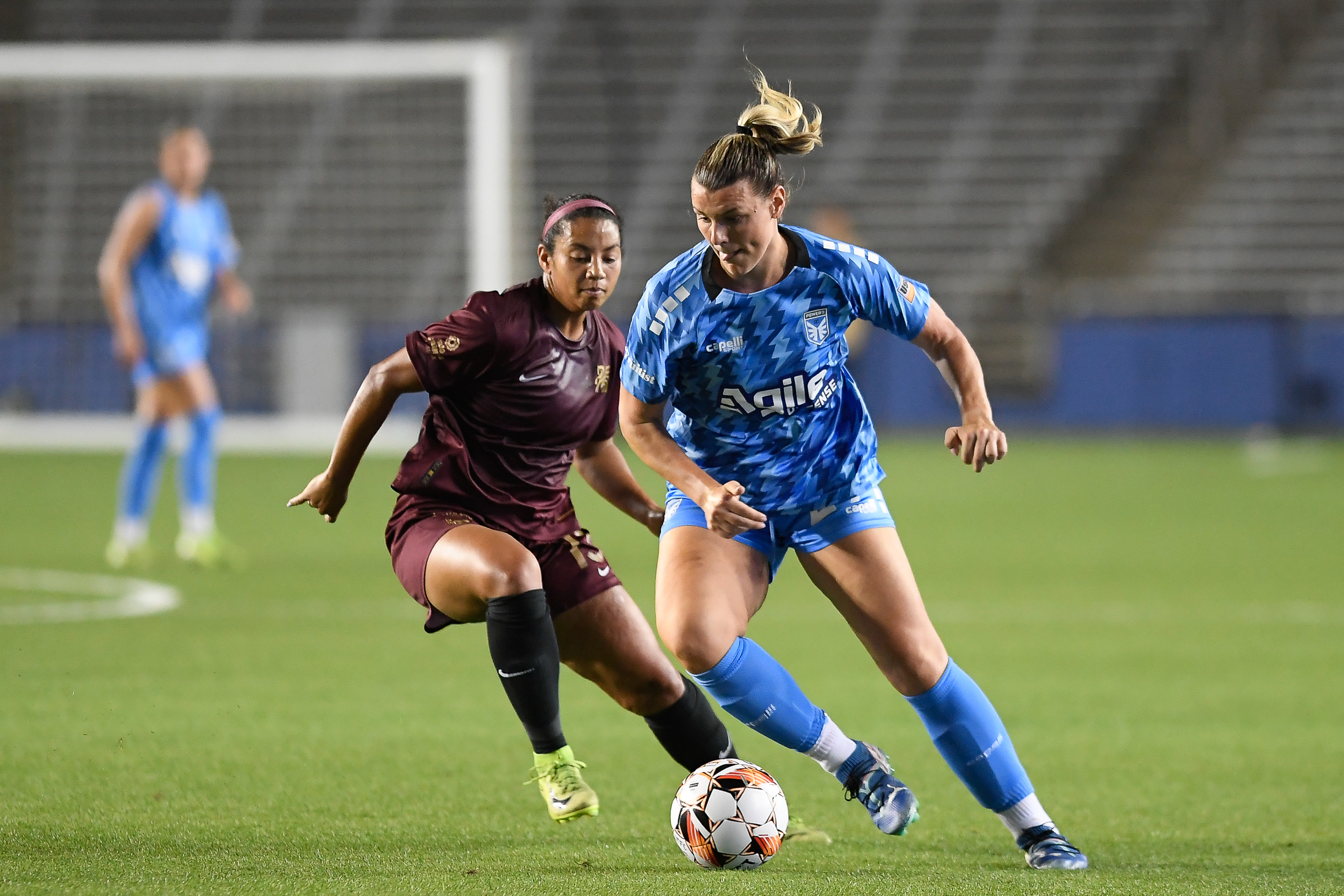
That's the beauty of watching a first-year club, though. Every match feels like a building block. Every misplaced pass is a lesson. And every chance created in the final third — and there were plenty on this night — is proof of concept that the model works.
DC Power FC: A Capital Club With Bite
DC Power FC came into Dallas with a clear plan: absorb pressure, win second balls, and counter with purpose. The Capital club has built its reputation this season on grit and organization, and that defensive backbone showed up in flashes — particularly in transition moments where Power's wide players turned defensive recoveries into legitimate scoring threats within seconds.
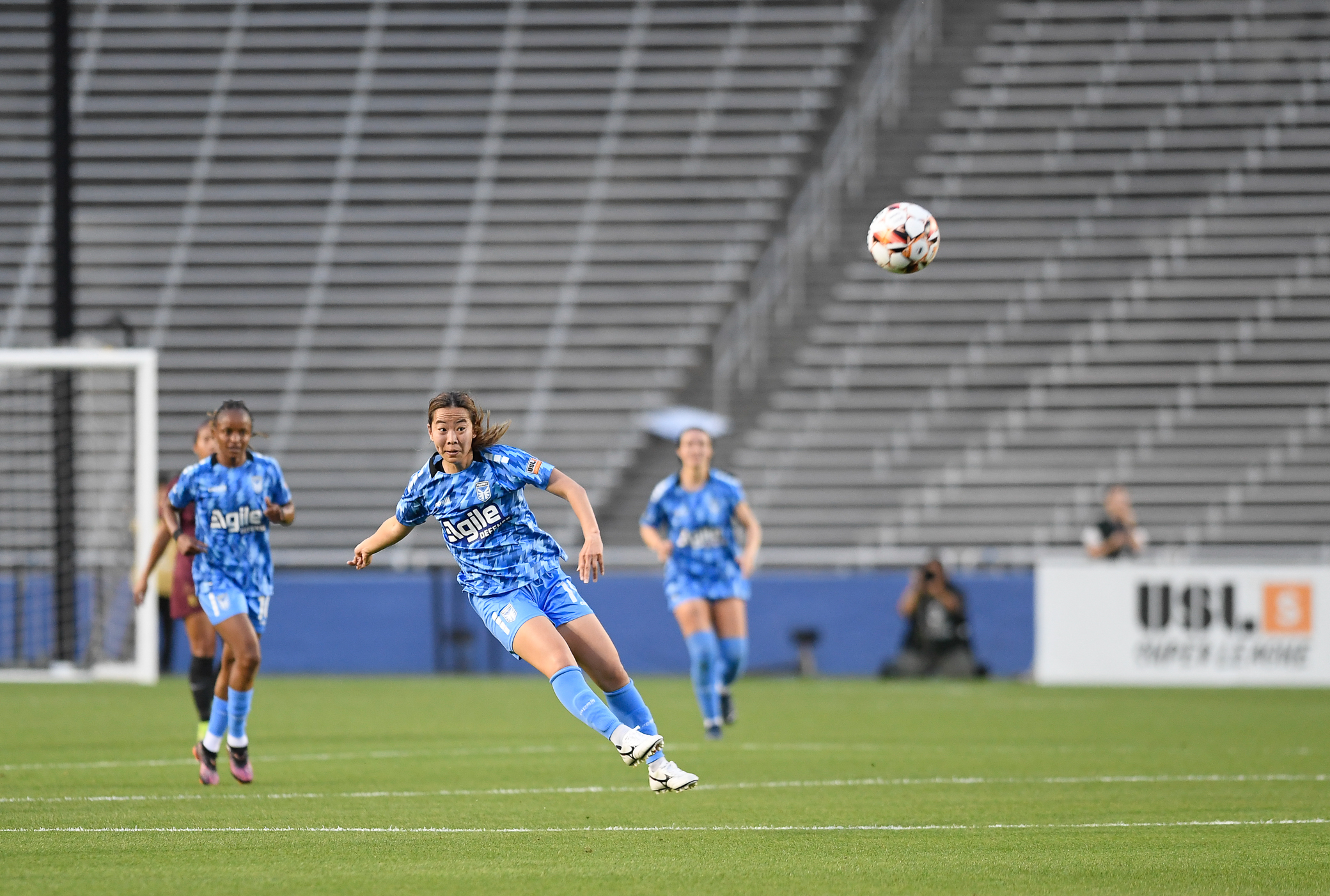
What makes Power so interesting as a watch is the contrast in styles they bring to most matches. They're not trying to out-possess opponents like Trinity. They're trying to out-work them, out-think them, and capitalize on the moments when a possession-heavy team gets stretched. It's a chess match philosophy in a league where most clubs are still figuring out their identities.
The Turning Points That Defined the Night
The match swung on the kind of sequences that don't always show up on a stat sheet. A 50/50 ball won in the midfield. A goalkeeper coming off her line at exactly the right moment. A set-piece routine that almost — almost — broke the deadlock before a desperate clearance off the line.
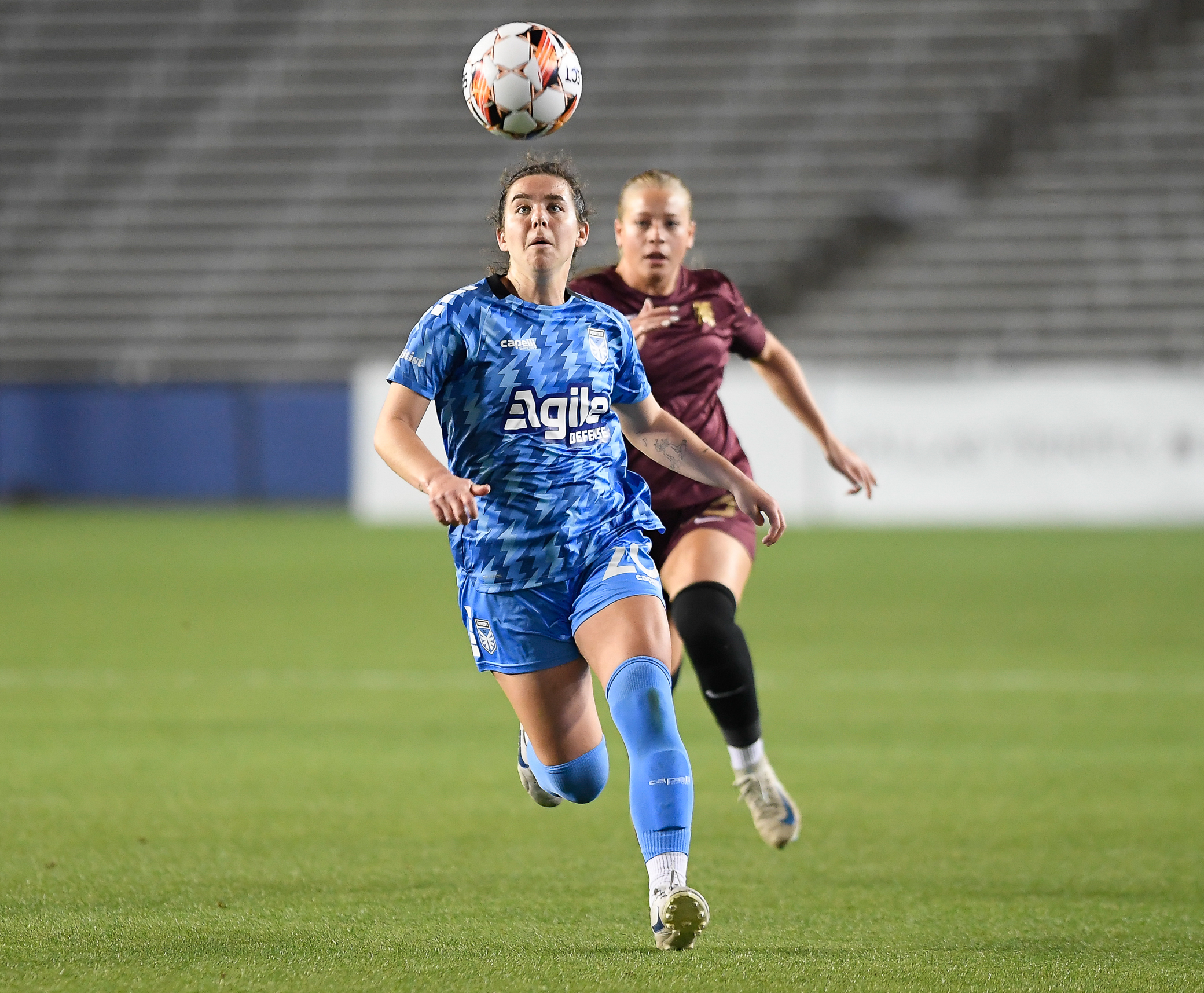
You could see the tactical adjustments happening in real time. Trinity pushed their fullbacks higher as the match wore on, trying to pin Power into their defensive third and overload the wide areas. Power responded by tucking their wingers in and daring Dallas to break them down through the middle, where their center backs were winning aerial duels at a high clip.
The chess match between the benches was as compelling as anything happening on the field. Both staffs made early substitutions — a sign of either confidence or concern, depending on how you read it — and both saw their fresh legs immediately impact the rhythm of the match.
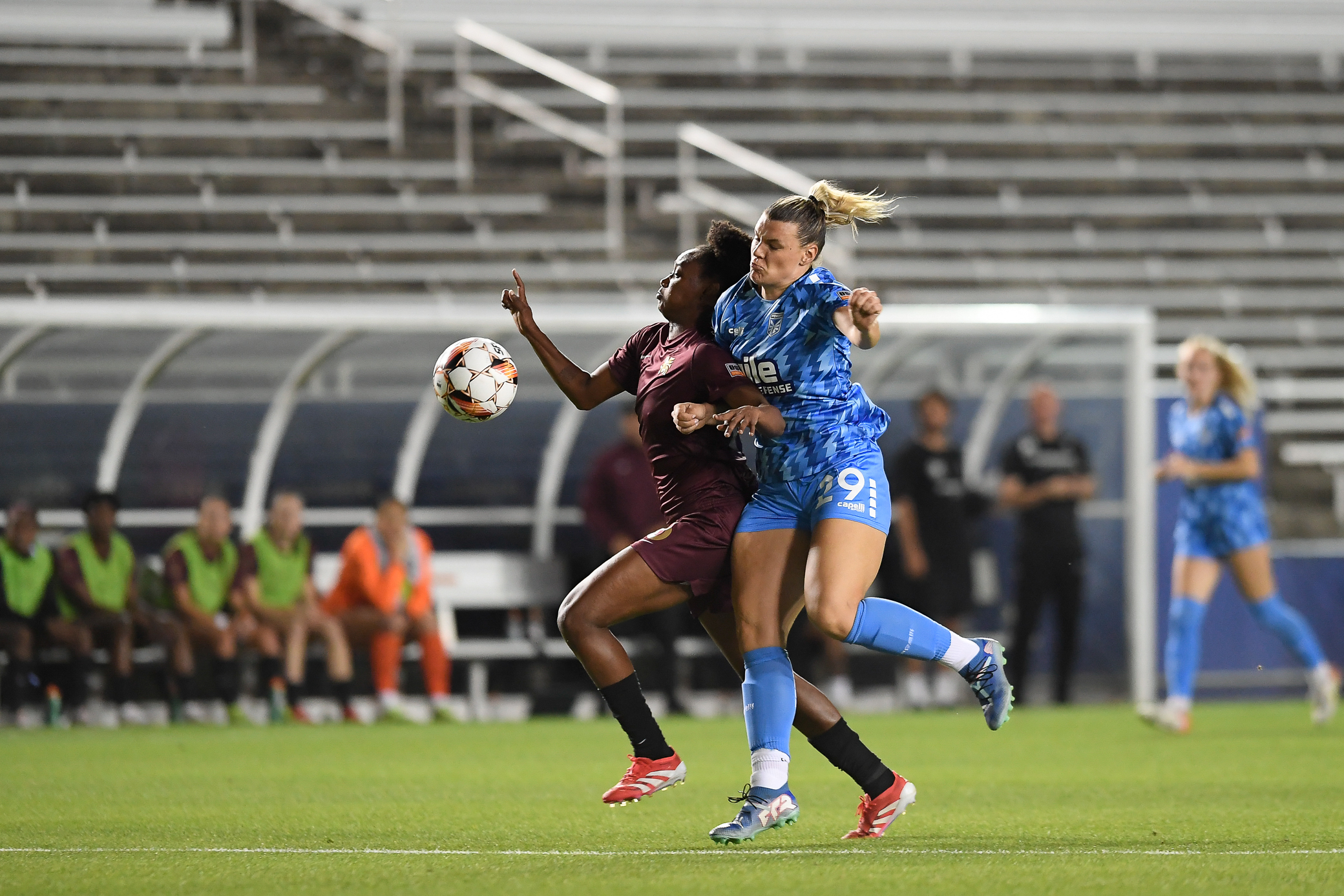
The Players Who Showed Up When It Mattered
Performances like this are where reputations get built in a new league. The Super League doesn't have decades of name recognition working in its favor, which means every standout shift is an opportunity for a player to introduce herself to a national audience.
Dallas Trinity's attacking pieces were dangerous in possession, combining in tight spaces and forcing DC Power's backline into uncomfortable decisions. The midfield battle, in particular, was a clinic in modern women's soccer — high pressing triggers, quick rotations, and the kind of physicality that's become a calling card of the league.
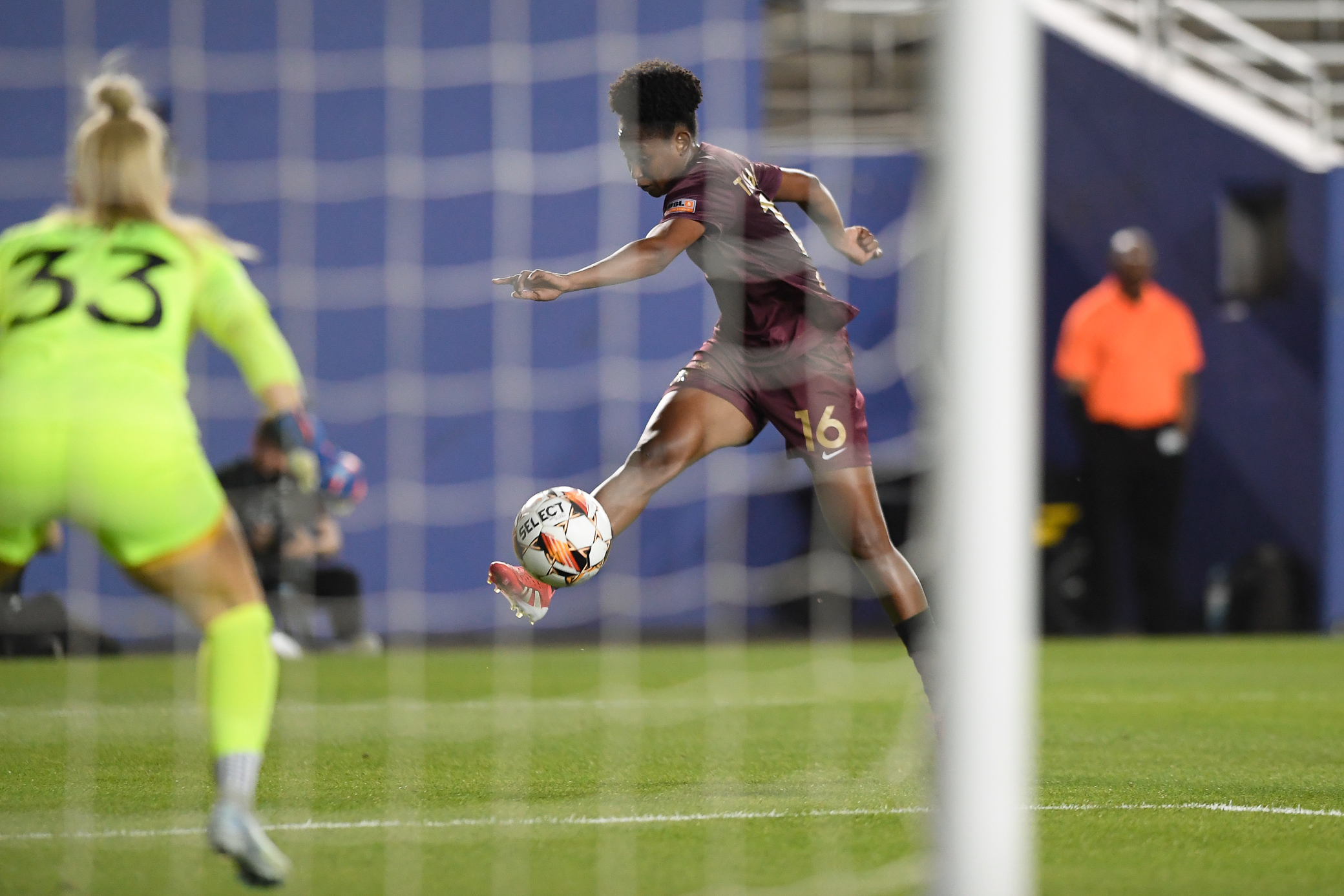
On the other side, DC Power's defensive unit deserves real credit. Holding a possession-heavy side to limited clear-cut chances is a tactical accomplishment, and the communication across their back line was the kind of detail that wins matches in tight league tables.
What This Means in the Bigger Picture
Step back from the individual match and look at the broader picture: this is exactly the kind of fixture the USL Super League needs to keep delivering. Competitive matches between clubs with distinct identities, played in front of engaged crowds, in markets that have been begging for a women's professional product.
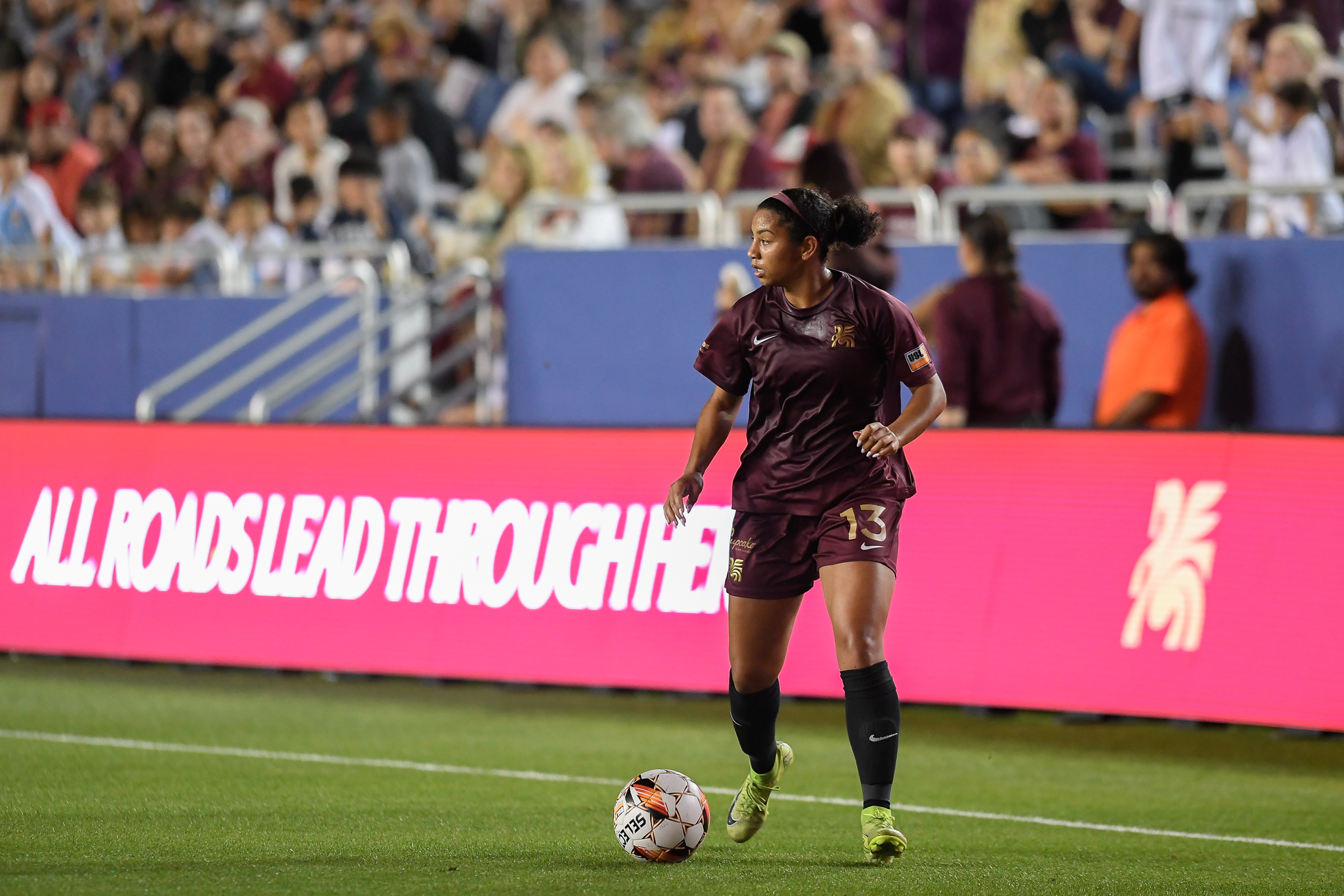
The league's long-term success depends on these moments compounding. Every match that delivers entertainment value is another fan converted. Every standout individual performance is another player whose name starts showing up in transfer conversations. Every rivalry that develops organically — and Trinity vs. Power has the makings of one — is a foundation stone for what the Super League could become over the next five to ten years.
There's still a long way to go. The league is navigating the typical growing pains of any new venture — sponsorship deals, broadcast partnerships, stadium situations, roster construction. But nights like this one prove the on-field product is already there.
The Takeaway
Dallas Trinity FC and DC Power FC didn't just play a match on April 2nd — they made a case. A case for the USL Super League as a legitimate destination for top-tier women's soccer talent. A case for their respective cities as women's soccer markets worth investing in. And a case for fans, broadcasters, and sponsors to start paying closer attention to what's being built.
The American women's soccer landscape is no longer a one-league conversation. The NWSL has its empire, but the USL Super League is carving out its own lane, and matches like this one are the proof points that will define whether this experiment becomes the next big thing in American soccer or a footnote.
If the rest of the season delivers nights like this one, we already know the answer.