Folarin Balogun’s Breakout Party Powers Historic 4-1 World Cup Statement
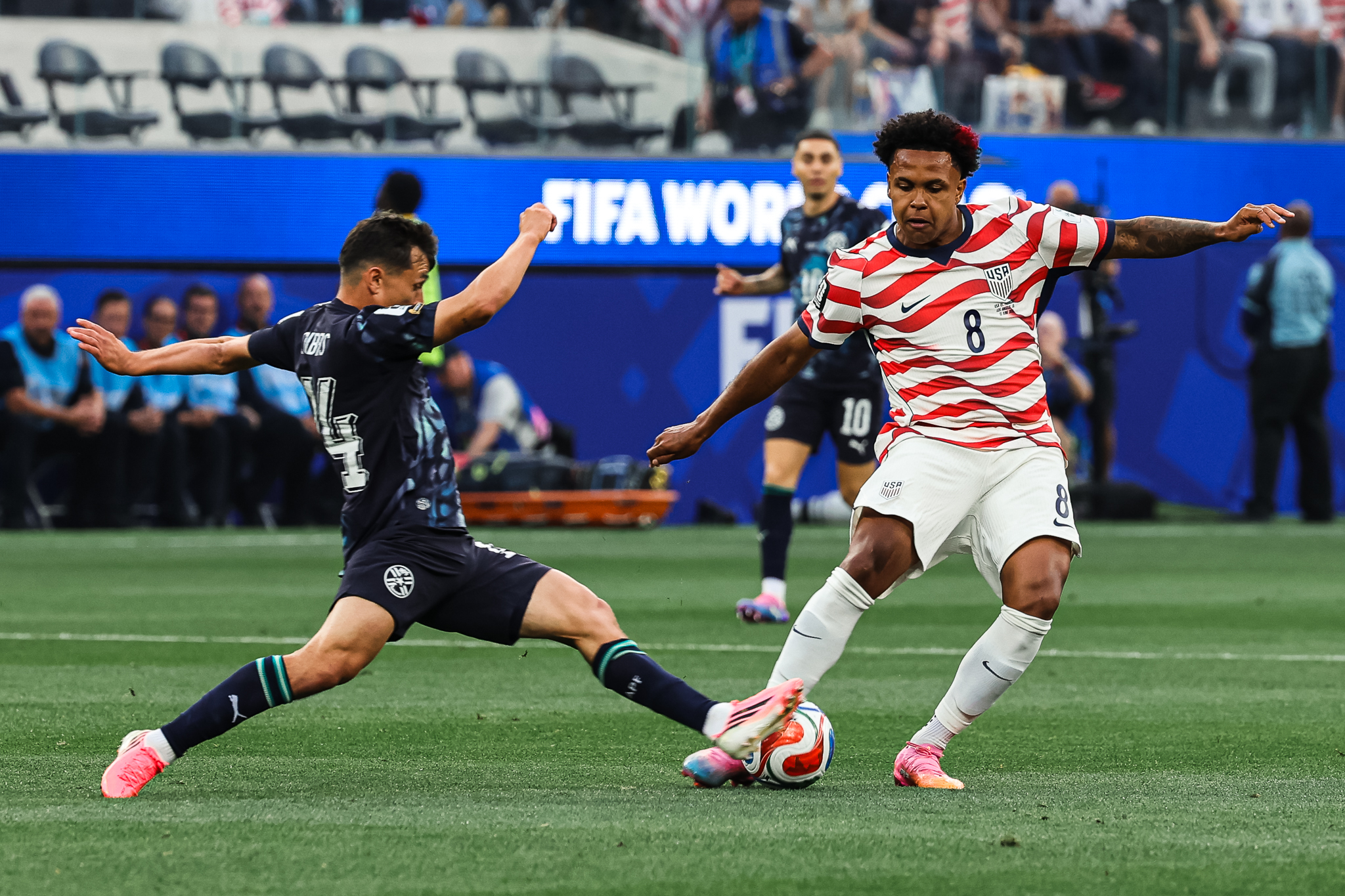

Some wins earn three points.
Others announce your arrival.
On Friday night in front of 70,492 roaring fans at Los Angeles Stadium, the United States Men’s National Team didn’t just open its 2026 FIFA World Cup campaign with a victory. It delivered a performance that felt like a declaration to the rest of the tournament.
A 4-1 dismantling of Paraguay placed the Americans atop Group D and etched their names into the record books. It was the most goals the U.S. has ever scored in a men’s World Cup match. It matched the largest margin of victory in program history at the tournament. And perhaps most importantly, it looked nothing like the conservative, survival-first American teams that have defined so much of the country's World Cup history.
This was different.
This was a team that played with swagger.
This was a team that attacked relentlessly.
This was a team that looked like it belonged among the sport’s elite.
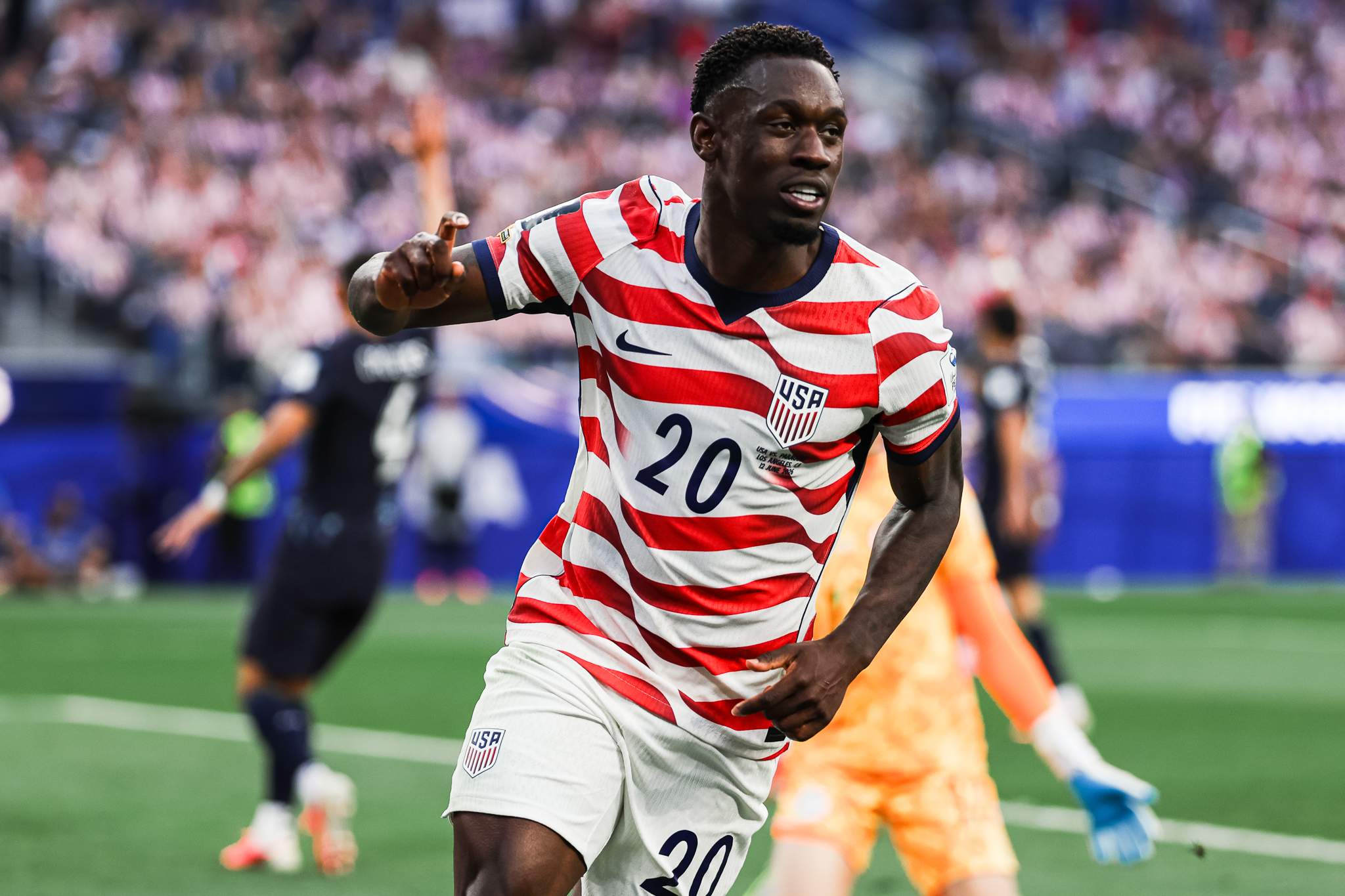
And at the center of it all was Folarin Balogun, whose first World Cup goals arrived in style as the striker delivered a stunning first-half brace in a performance that instantly entered U.S. Soccer folklore.
The Americans Came Out Swinging
The final score says domination.
The opening minutes suggested chaos.
Paraguay nearly stunned the crowd before many fans had settled into their seats, creating a dangerous opportunity less than two minutes into the match. Matt Freese, making his World Cup debut, was tested immediately.
That would be about as comfortable as things got for Paraguay.
The Americans responded almost instantly, pressing forward with purpose and confidence. The movement was fluid. The passing was sharp. The energy inside the stadium felt less like a group-stage opener and more like a knockout-round showdown.
The breakthrough arrived in the seventh minute.
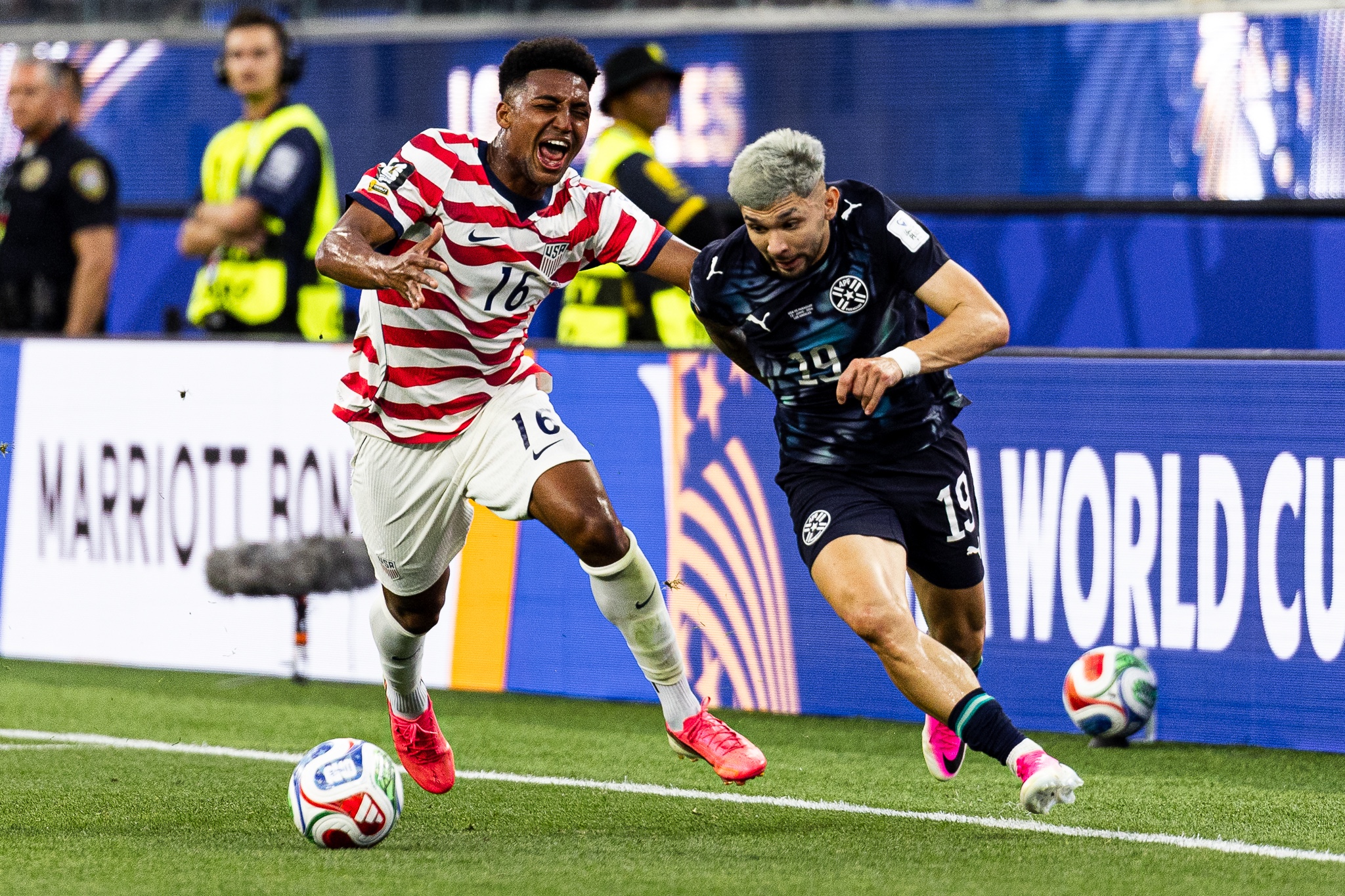
A quick transition attack saw Christian Pulisic burst through the Paraguayan defense after receiving a pass from Weston McKennie. As defenders scrambled, McKennie attempted to square the ball across goal toward Balogun. Instead, Paraguayan midfielder Damián Bobadilla redirected it into his own net.
Officially, it goes down as an own goal.
Unofficially, it was a warning shot.
The U.S. wasn’t interested in easing into this tournament.
They wanted to overwhelm it.
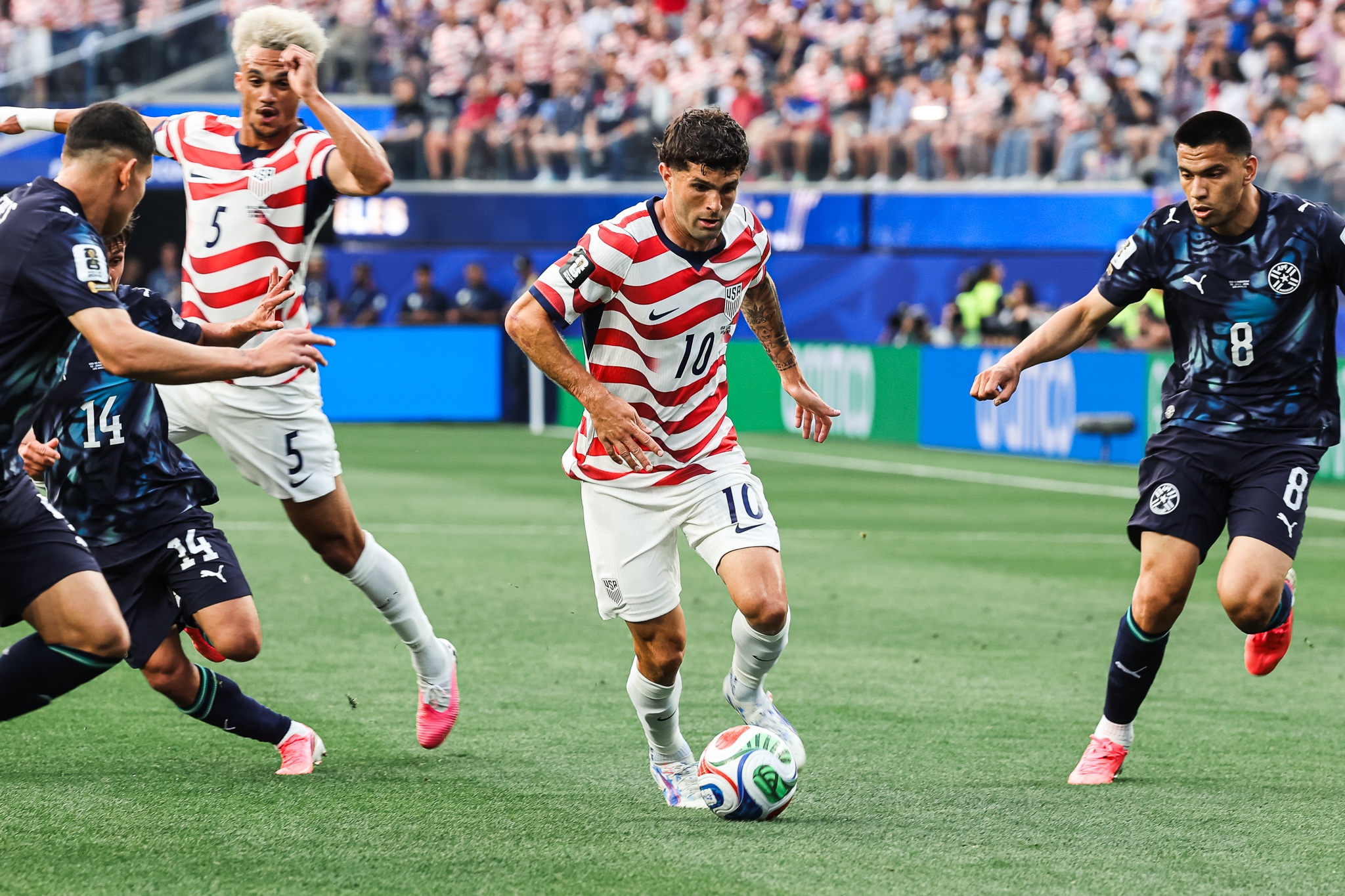
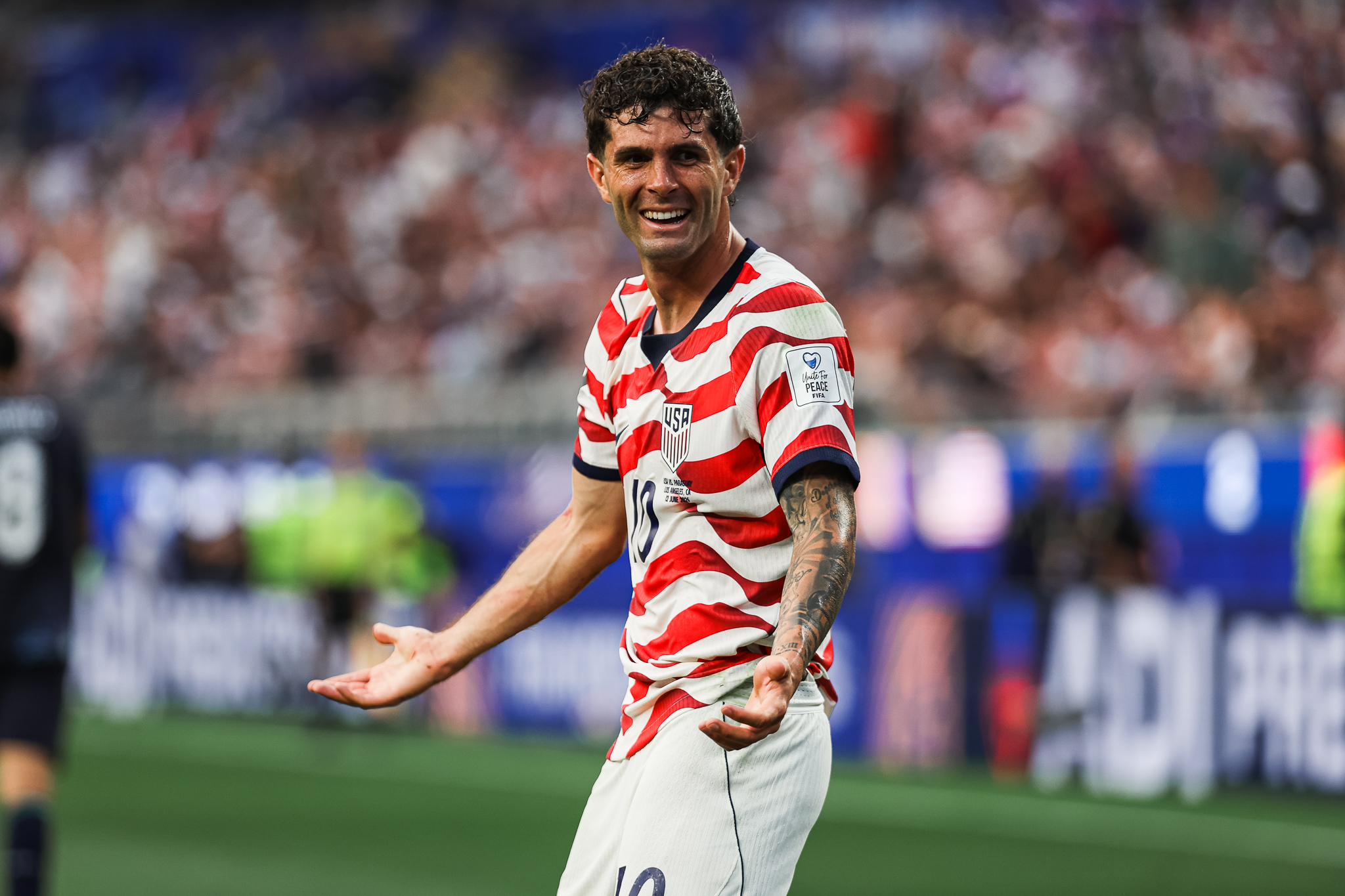
Pulisic Pulled the Strings
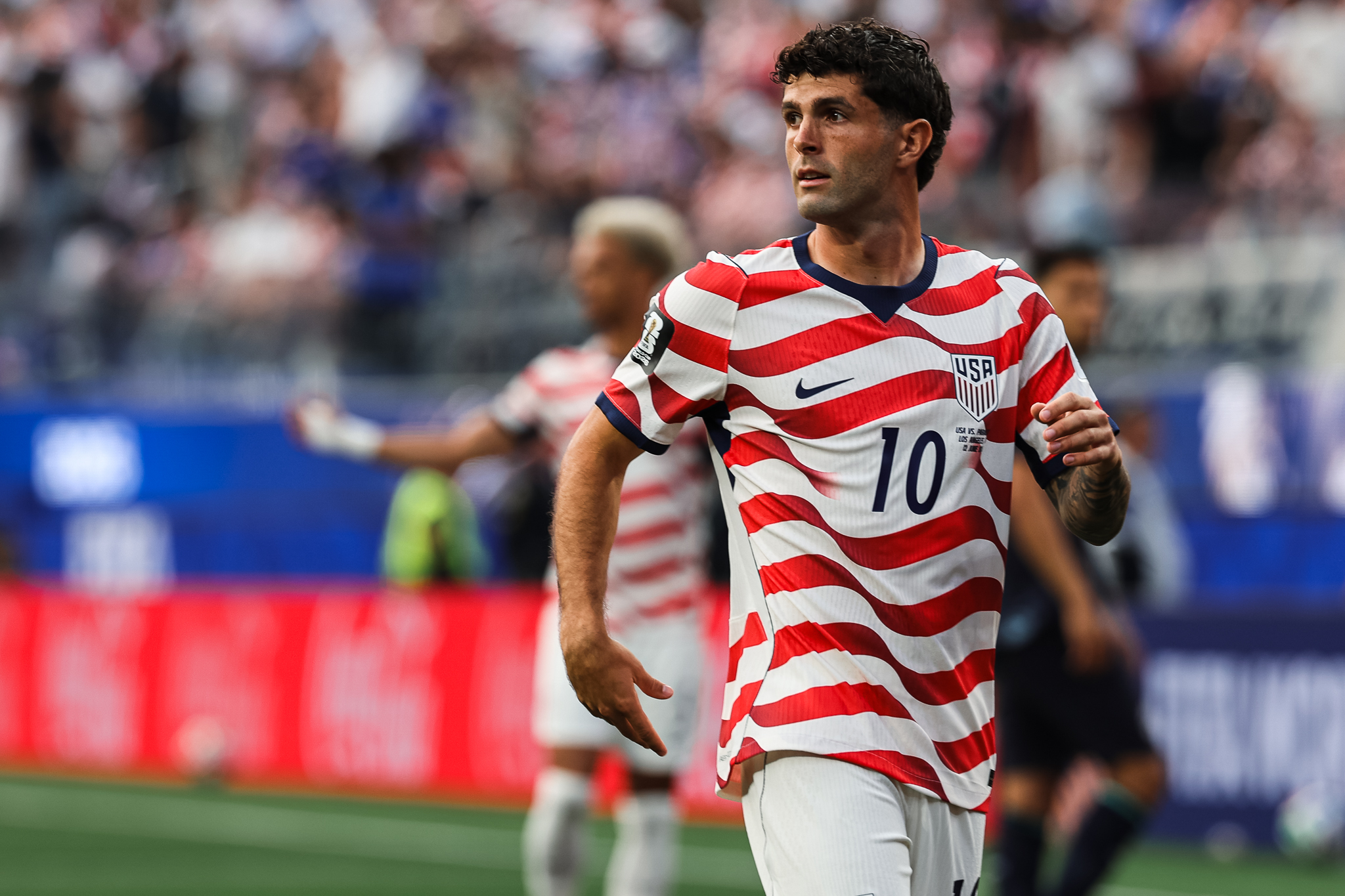
Christian Pulisic only played one half.
He still managed to leave fingerprints all over the match.
Every dangerous American attack seemed to run through the captain. His dribbling repeatedly forced Paraguay into uncomfortable positions. His movement between lines created openings everywhere. His confidence infected the entire team.
Several minutes before halftime, Pulisic produced the moment that finally broke Paraguay's resistance.
Receiving the ball on the left side, he drove directly into the penalty area, slicing through defenders before delivering a perfectly weighted cross toward Balogun.
The striker did the rest.
One touch.
One finish.
One World Cup goal.
The stadium erupted.
For Balogun, it was the culmination of years of expectation. Since committing his international future to the United States, fans have dreamed about what he could become wearing the crest.
On Friday night, he looked every bit like the answer.
Pulisic’s assist also pushed him into sole possession of the all-time U.S. lead for World Cup assists, further cementing his status as one of the most influential players in program history.
Not bad for a guy who only needed 45 minutes of work.
Balogun Announces Himself to the World
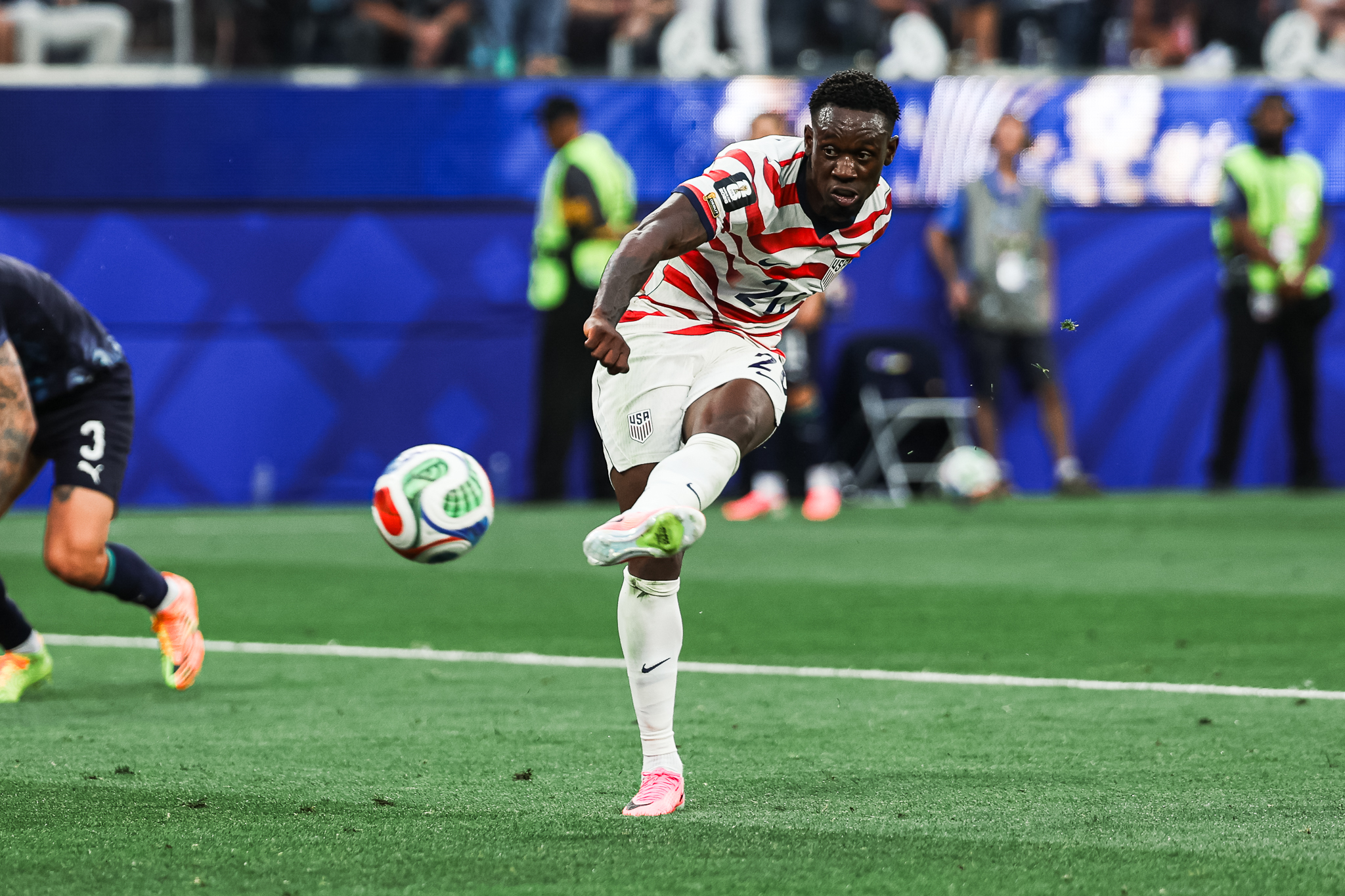
If the first goal was memorable, the second was unforgettable.
Deep into first-half stoppage time, Malik Tillman launched a ball forward that seemed relatively harmless.
Balogun turned it into art.
First, he shrugged off a sliding challenge. Then he danced around another defender. Finally, with defenders retreating and the crowd rising in anticipation, he curled a gorgeous left-footed strike into the upper corner.
The reaction inside Los Angeles Stadium felt immediate and primal.
Fans knew they had witnessed something special.
The goal sent the United States into halftime with a shocking 3-0 lead.
Not 1-0.
Not 2-0.
Three.
Against a South American opponent.
On the World Cup stage.
The Americans had scored three goals in a World Cup match only once in the modern era before this night. By halftime, they had already matched that mark.
Balogun's brace also placed him alongside some incredibly exclusive company. He became only the second player in U.S. men's history to score multiple goals in a World Cup match, joining Bert Patenaude, whose legendary hat trick also came against Paraguay back in 1930.
Apparently, Paraguay and American World Cup history have developed quite the relationship.
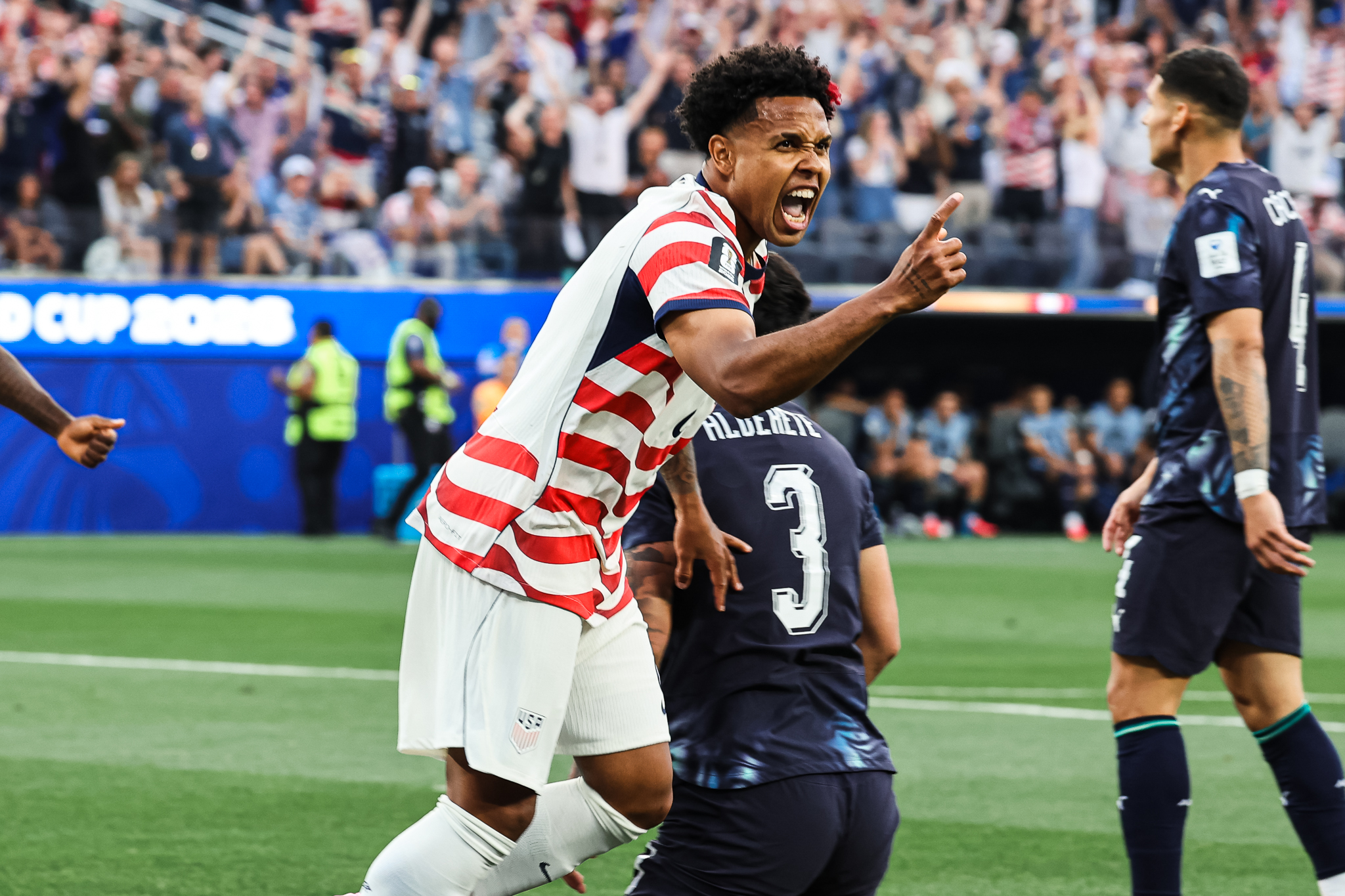
Midfield Masterclass
While Balogun earned the headlines, the midfield may have been the real story.
Weston McKennie, Tyler Adams, and Malik Tillman spent much of the evening turning Paraguay's shape into a puzzle nobody could solve.
Their rotations constantly created numerical advantages.
Their movement dragged defenders out of position.
Their passing created angles that simply weren't there moments earlier.
At times, Paraguay looked completely disoriented.
Head coach Gustavo Alfaro later admitted as much, praising the Americans' ability to create solutions for every tactical problem thrown their way.
The U.S. didn't dominate because of athleticism alone.
They dominated because they were smarter.
Every passing sequence seemed connected to the next. Every player appeared to understand exactly where teammates would be before receiving the ball.
That's the kind of cohesion national teams spend years chasing.
For one night at least, Mauricio Pochettino's vision looked fully realized.
The Turning Point Wasn't a Goal
Oddly enough, the defining moment may not have been any of the four goals.
It may have been what happened after Paraguay scored.
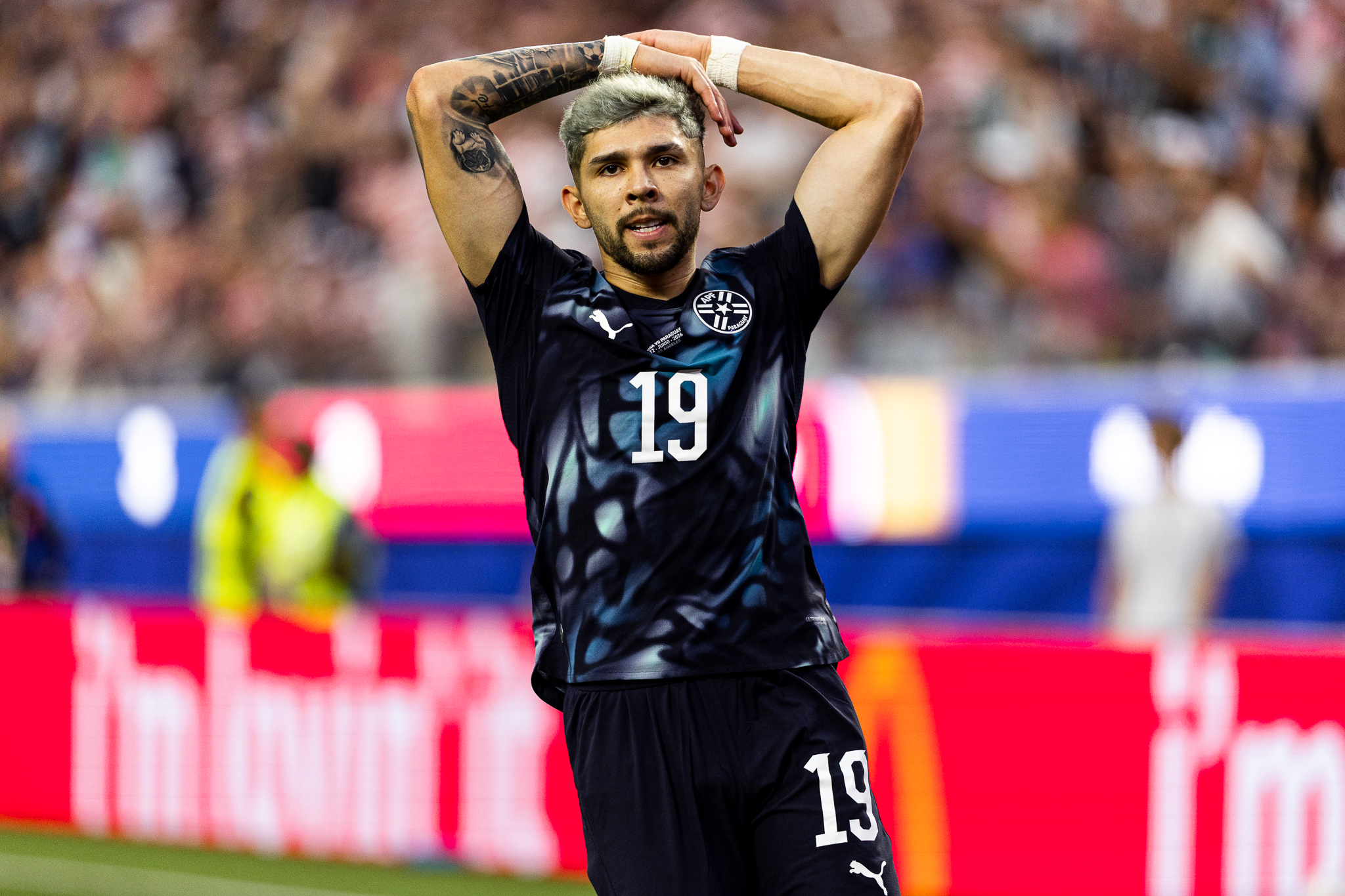
In the 73rd minute, Mauricio found the net after a free-kick sequence created confusion inside the American penalty area.
Suddenly, the score became 3-1.
In past World Cups, that's the moment where nerves arrive.
Fans start calculating scenarios.
Players start protecting leads.
The game becomes uncomfortable.
Not this team.
Instead of retreating into a shell, the Americans continued attacking.
They continued pressing.
They continued creating chances.
That response revealed something significant about this group.
Confidence.
Not arrogance.
Not recklessness.
Confidence.
They genuinely believed they were the better team and played accordingly.
That's a mentality championship contenders possess.
Gio Reyna Delivers the Exclamation Point
If the first 90 minutes belonged to Balogun, the final moments belonged to Gio Reyna.
Deep into stoppage time, with the result already secure, Reyna produced one final highlight for the sold-out crowd.
After receiving a short pass from Alex Freeman, Reyna turned toward goal and delivered a sensational outside-of-the-foot finish that curled beautifully into the net.
It was the type of goal usually reserved for social media clips and video-game replays.
The crowd exploded.
Again.
A fourth goal may not have changed the outcome, but it changed the feeling.
This wasn't merely a victory.
It became a statement.
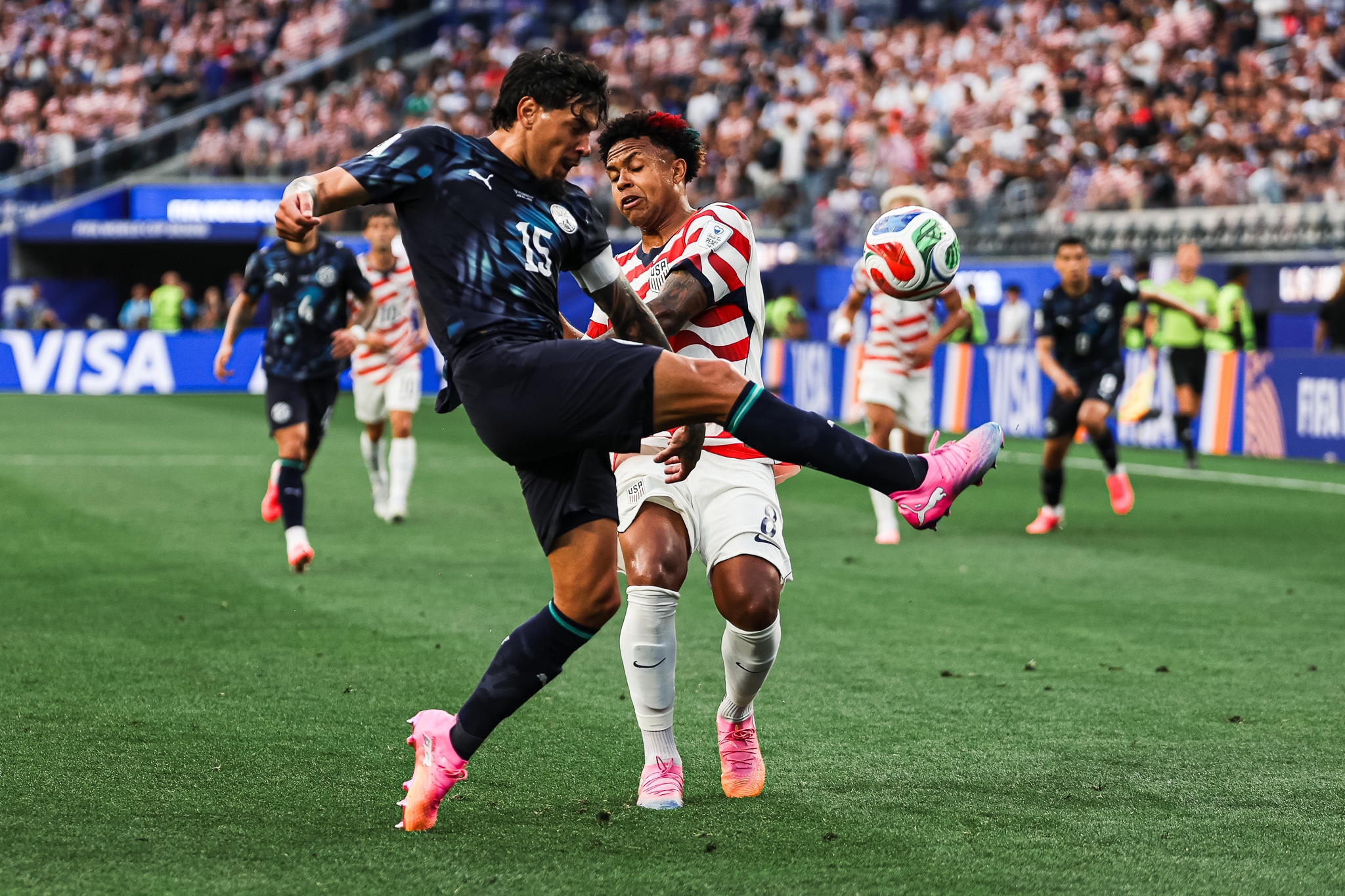
The Numbers That Actually Matter
Sometimes stats tell the story.
Friday was one of those nights.
The United States outshot Paraguay 16-9.
Paraguay managed just one shot on target all evening.
The Americans controlled possession for long stretches and generated quality chances throughout the match.
But beyond the traditional numbers, the historical significance stands out even more.
The 4-1 victory matched the largest World Cup win in U.S. men's history.
The four goals established a new program record in a World Cup match.
The three-goal halftime lead marked the first time the Americans have ever entered halftime ahead 3-0 in a World Cup contest.
And Balogun's brace ended a drought that had lasted nearly a century.
Not bad for opening night.
What This Means Moving Forward
One result doesn't win a World Cup.
Everyone understands that.
Australia and Türkiye still await in Group D. Tougher tests are coming. Better opponents are coming.
But perceptions change quickly in tournaments.
For months, questions surrounded this American team.
Could Pochettino unlock its talent?
Could the attack become more dangerous?
Could the younger players handle the pressure?
Could the United States capitalize on the energy of hosting a World Cup?
Friday provided encouraging answers.
The Americans looked organized.
They looked fearless.
Most importantly, they looked fun.
For decades, the U.S. has often succeeded internationally by being disciplined, resilient, and difficult to break down.
Those qualities remain valuable.
This version of the USMNT appears interested in adding creativity, flair, and genuine attacking ambition to the equation.
That combination should make the rest of the tournament very interesting.
Final Take
The easiest trap after a performance like this is overreaction.
The United States hasn't won the World Cup.
They haven't even won their group yet.
But there was something undeniably different about Friday night.
The atmosphere.
The confidence.
The quality.
The connection between players and supporters.
For one evening in Los Angeles, the American men's national team didn't look like a nation trying to catch up to world soccer.
They looked like a nation ready to join the conversation.
And if Balogun keeps finishing like that, Pulisic keeps creating like that, and Pochettino keeps pulling the strings like that, this "dreamy night" in Southern California may end up being remembered as the moment the rest of the world realized the United States was no longer just happy to be here.
They're here to make noise.