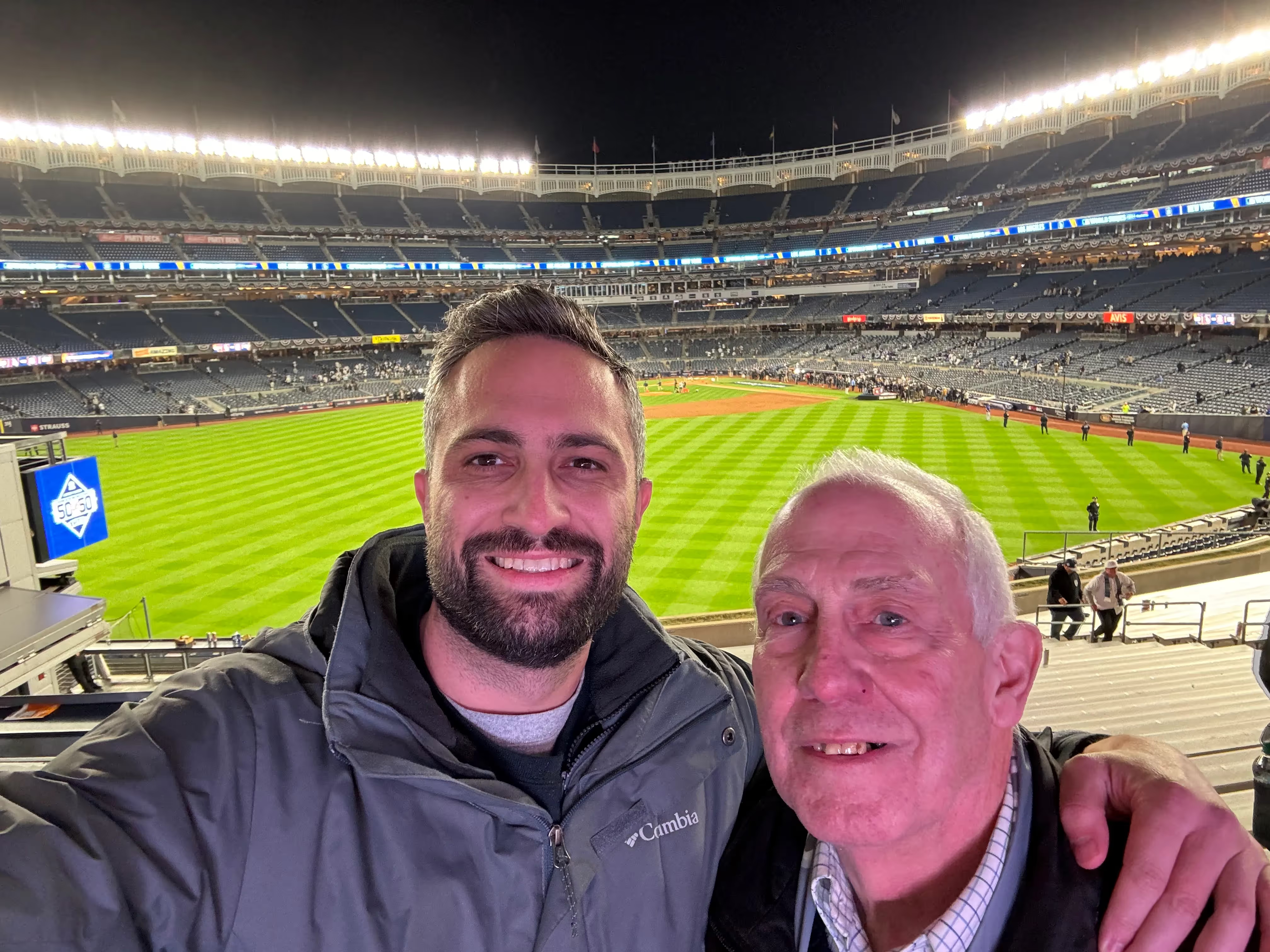
From Dorm Room Dreams to the Game’s Biggest Stage
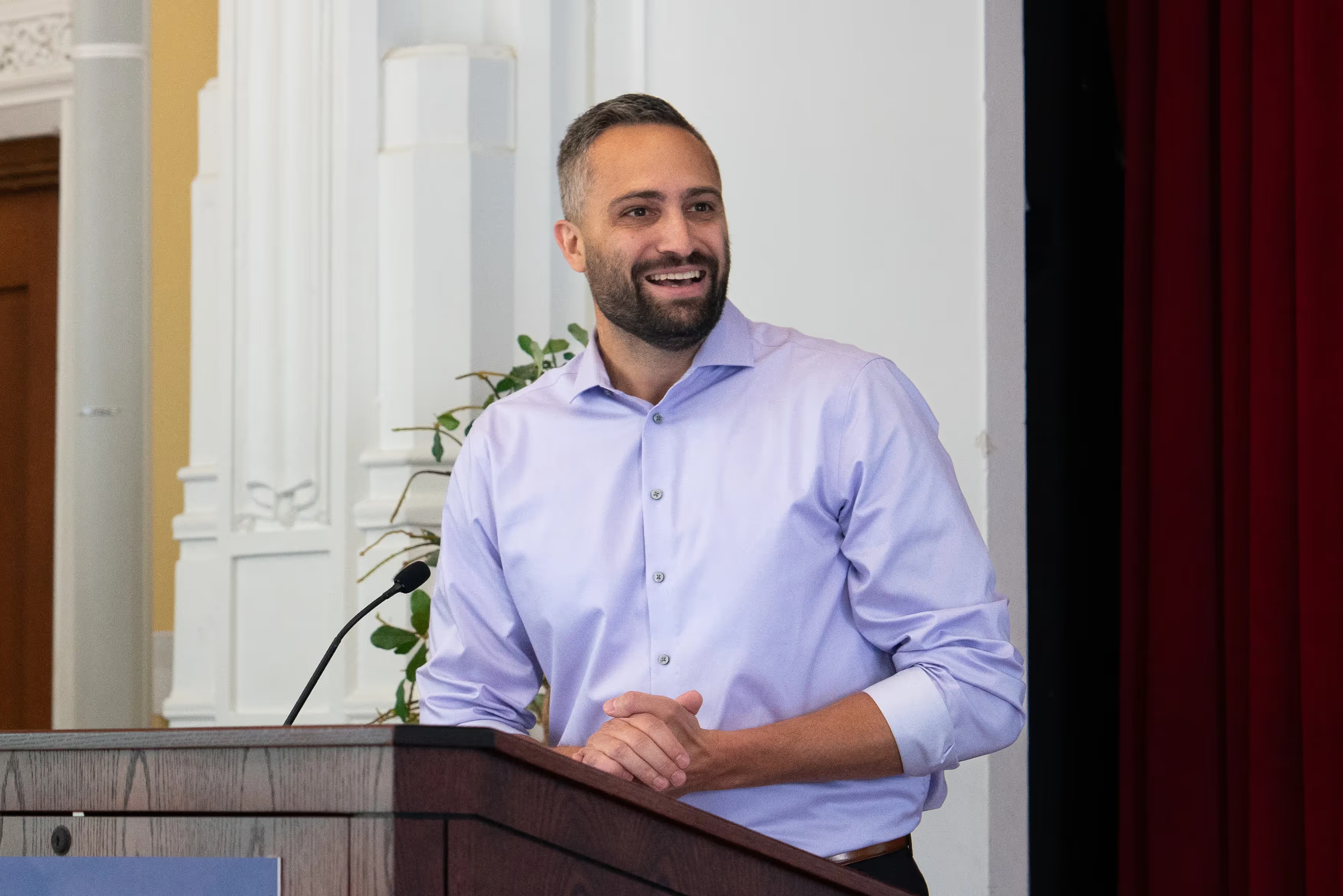

From dorm room hustle to MLB strategy meetings, Skye Dillon’s career proves that there are no small stages—only small mindsets. Every project counts. Every opportunity is a chance to level up. And for Dillon, that’s not a philosophy. That’s the game
By John “Woods” Armwood III
At twelve years old, Skye Dillon thought his big break was coming. He was putting the finishing touches on a rebrand proposal for NBA legend Elgin Baylor and his Los Angeles Clippers, ready to pitch for a dream opportunity. The answer was “no.”
It was the kind of moment that could have deflated a kid’s ambitions. For Dillon, it was an early step in a lifelong process of finding another way to the top.
“It’s incredibly surreal,” Dillon says today, reflecting on that early rejection. “Because in order to get to that point where Elgin Baylor is turning you down at ten years old, you’ve got to figure out another game plan to actually get it. You’ve got to work through the ranks and the minor leagues. It’s just like a professional athlete — you go through trials, perfect your craft, hone your craft.”
That mindset became the foundation of a career that would eventually see him help steer the brand strategy for Major League Baseball, the NBA, and more — but the road wasn’t glamorous in the beginning.
The Grind Before the Glory
In college, Dillon wasn’t at the parties. He wasn’t killing time between classes. He was in his dorm room, designing for small-town teams most people had never heard of: the Steubenville Stampede of the AIFL, tiny Division III colleges in rural Pennsylvania, indoor football teams that folded after a season.
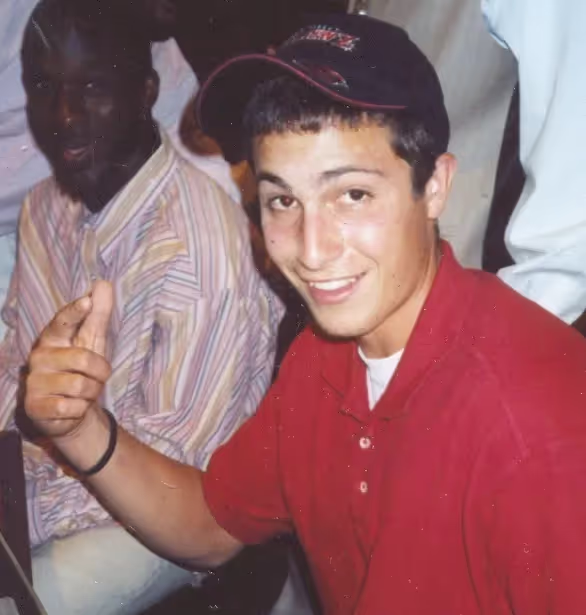
Friends questioned why he’d pour himself into projects with such limited reach. Dillon had an answer, written on his wall:
“Every project is the World Series.”
“It was just a reminder to always do your best,” he says. “Even if it’s for a team that’s not going to exist in two years, it’ll all pay off if you give everything you’ve got.”
Two decades later, it has.

More Than Design — Strategic Partnership
Dillon’s work extends far beyond visuals. His team builds full identity systems for leagues, creating patches, marks, and branding elements that not only signal achievement to fans but open new revenue streams for the leagues themselves.
This year, his “Class of” draft patches will debut — with Cooper Flagg wearing “Class of 25”.
“It’s about being strategic business partners at the same time as being creative,” he says. “It all works together.”
Born to Do This
Dillon doesn’t hesitate when asked why he stayed the course through all the uncertainty.
“I believe we’re all born to do something. For me, this has been my lane. When you’re passionate, you find a way. The hunger to stick with what you were born to do outweighs the discouragement along the way.”
It’s that conviction — coupled with a willingness to treat every job, no matter the stage, like the biggest in the world — that turned a kid sketching NBA logos in the ’90s into one a trusted leader in sports branding.
Now, whether it’s the All-Star Game,Orlando Magic, or simply brainstorming ways to strategically innovate within their brand,Skye and his team are trusted partners clients can confidently rely on to deliver the best product.
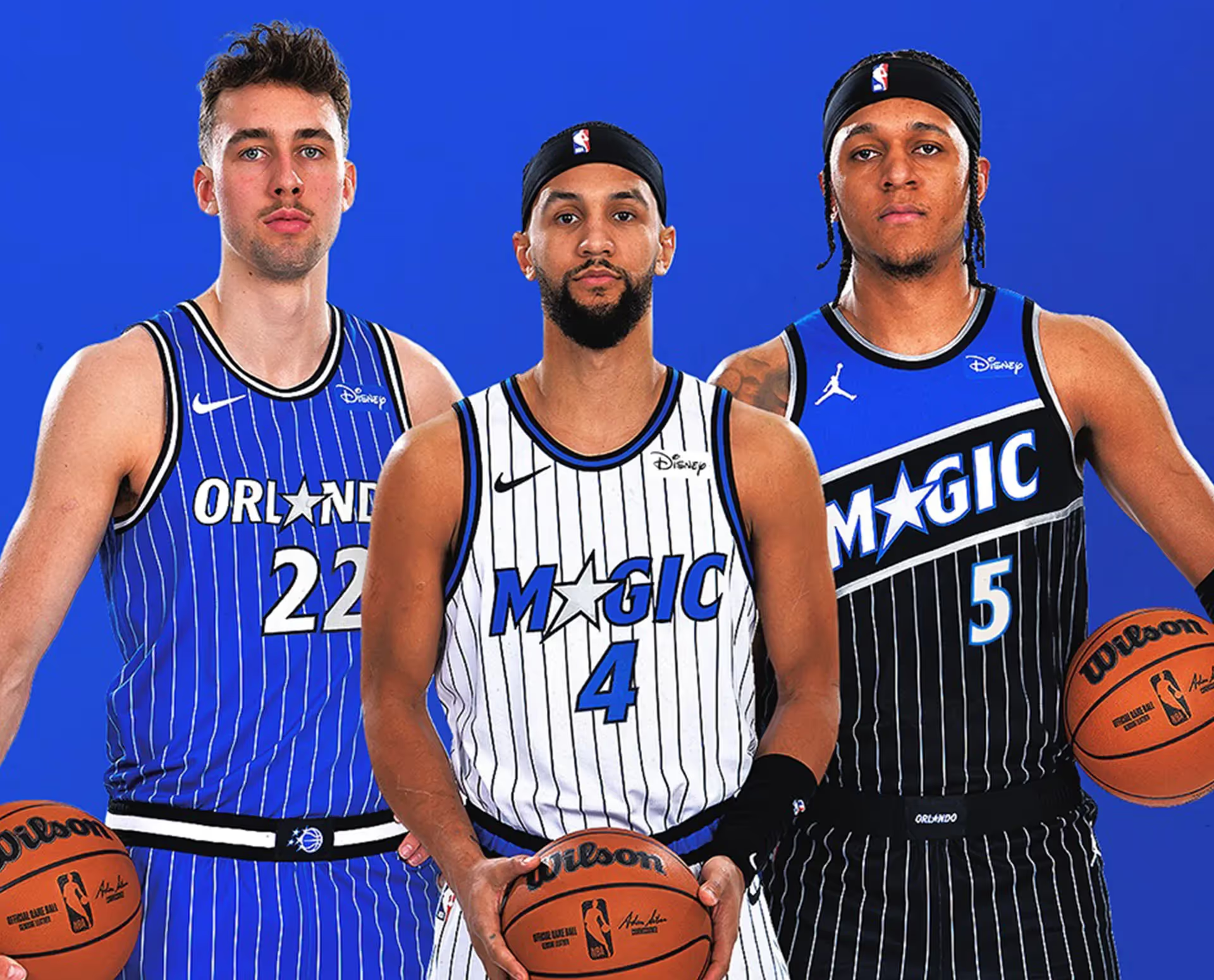
And somewhere on his desk, the words are still there: Every project is the World Series.
Full Circle Moments
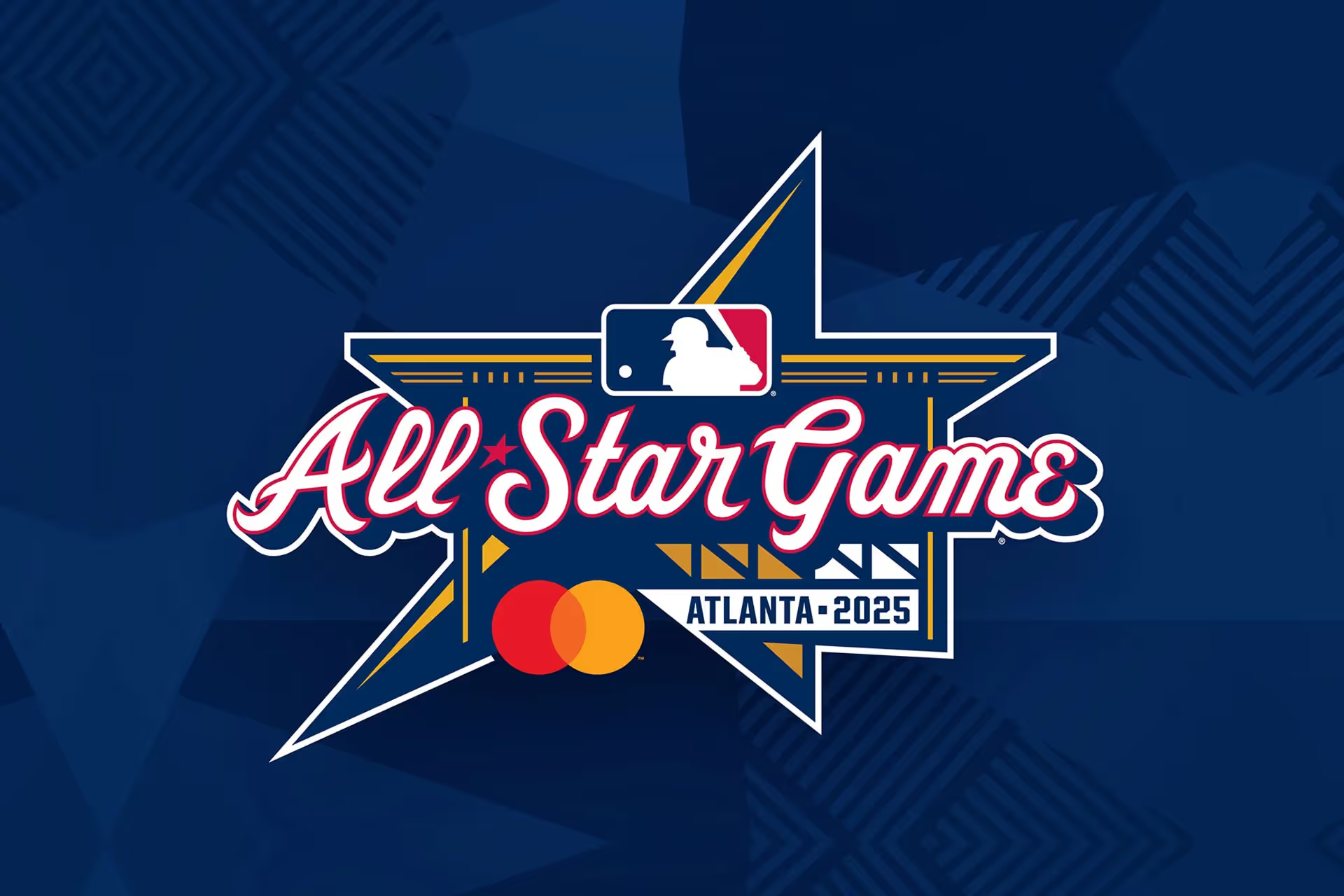
This past year, MLB didn’t just hire Dillon’s agency — they trusted him to shape their most sacred stage.
“Last year, we did the World Series,” he recalls. “Thirty years full circle, MLB tapped us to do the whole strategy and the visual identity."
From obscure indoor football logos to influencing how the world sees October baseball, Dillon’s path has been about resilience, timing, and readiness when the opportunity finally comes.
Dad in the Front Row
When MLB invited Dillon to Truist Park in Atlanta to unveil their new branding, he brought his father, the man who had been there from his very first small-time gigs.
“When I was starting out, I’d bring my dad to single-A All-Star Games or little events. We’d have a blast. To be sitting behind home plate at the World Series with him now… you pinch yourself.”