One Bad Window, One Late Whistle, and a 3–1 Loss That Got Away in Philly
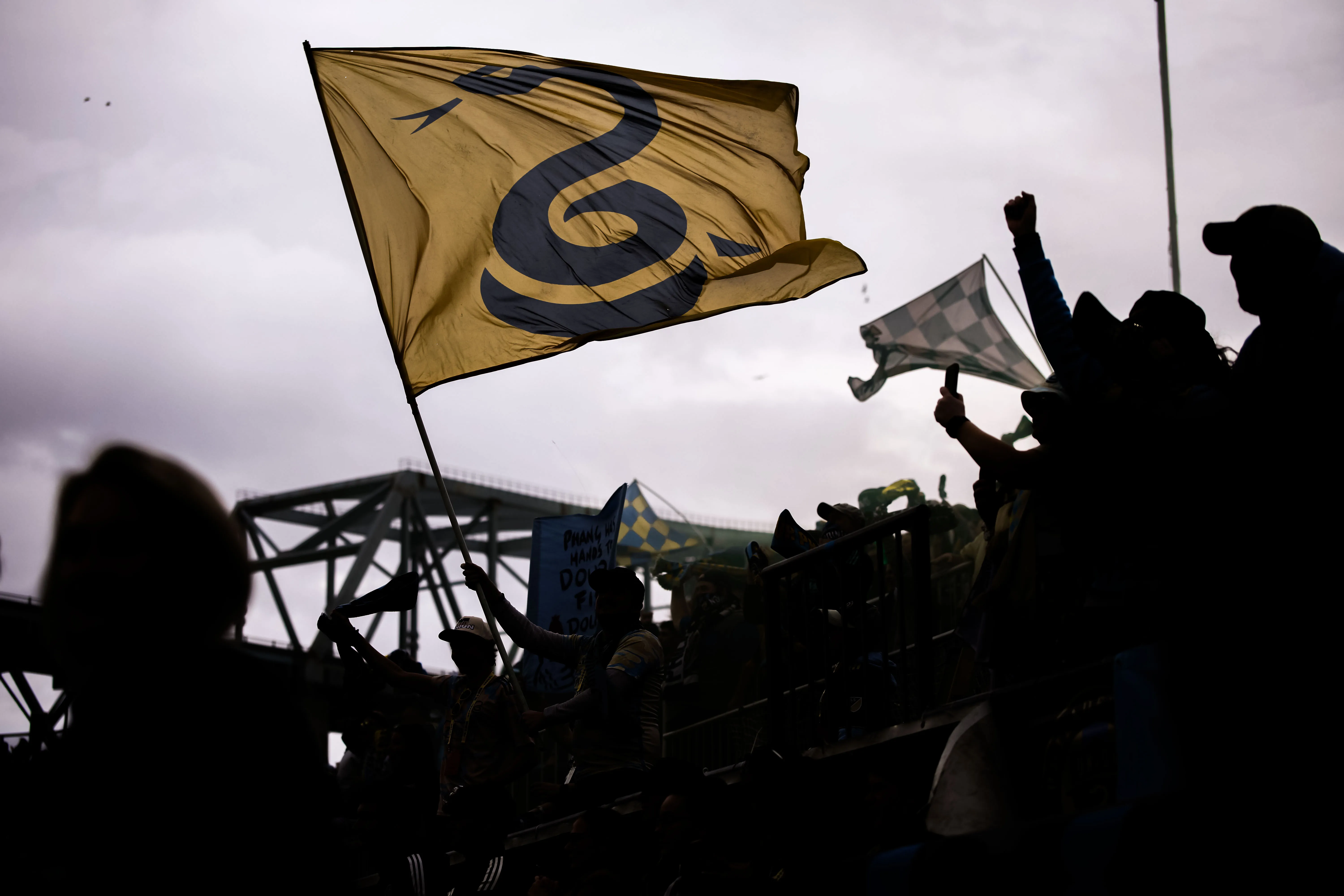

There are MLS losses that sting because you never really showed up.
And then there are losses like this — the kind that hurt because you were in it, fighting, pushing, believing… until the margins turned cruel.
That was the story Sunday night at Subaru Park, where the Philadelphia Union fell 3–1 to Nashville SC in a match defined by poor timing, costly defensive lapses, and a late penalty that slammed the door on any hope of a comeback.
Philadelphia showed resilience. They showed urgency. They even showed moments of control.
What they didn’t show — consistently enough — was the ruthlessness required to survive a team like Nashville when the game lives on a knife’s edge.
Early Warning Shot: Nashville Strikes First
From the opening whistle, the tone felt tense.
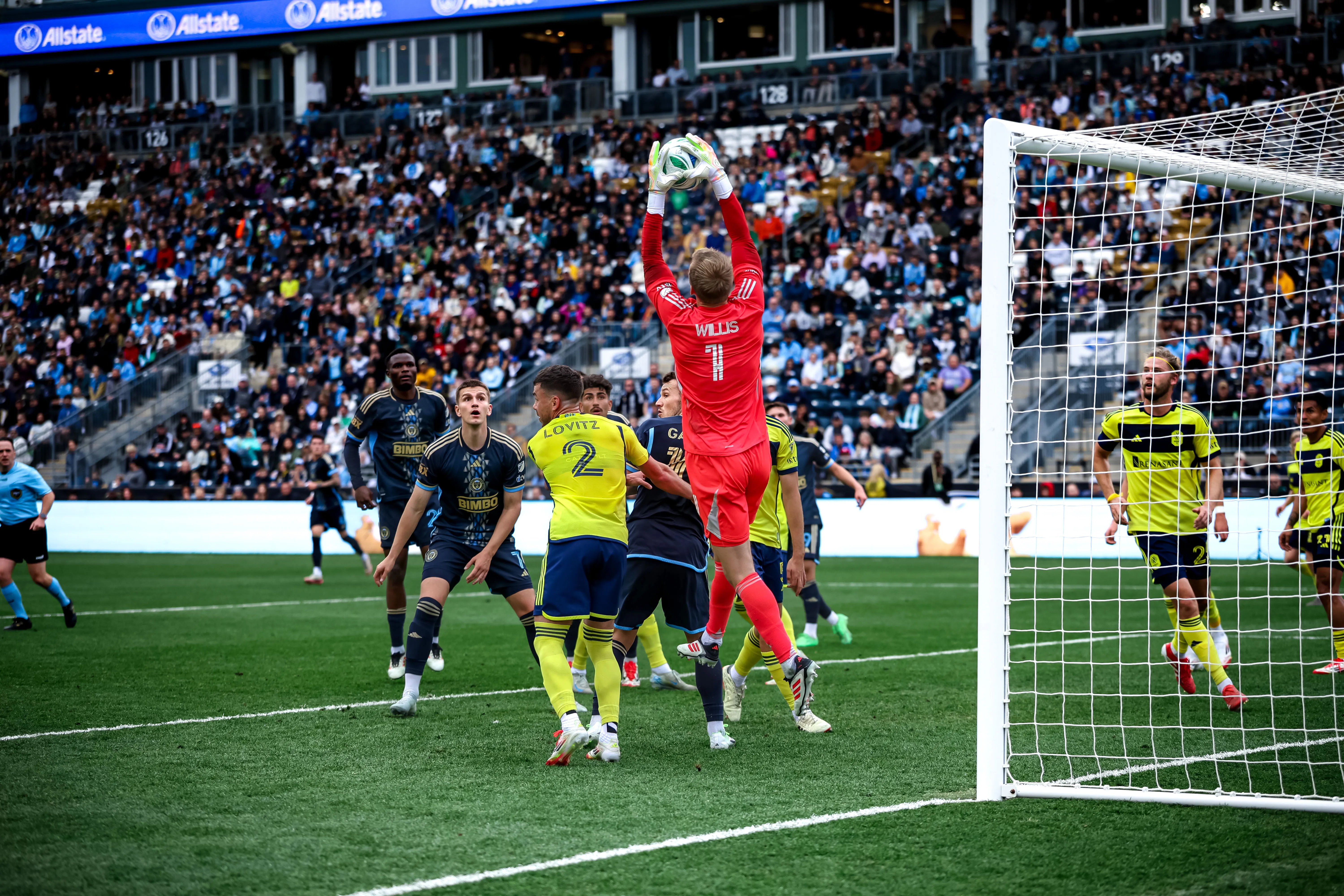
Nashville didn’t come to Subaru Park to sit deep and steal something late. They pressed selectively, moved the ball with confidence, and tested Philly’s defensive organization early.
In the 15th minute, that pressure paid off.
A well-worked Nashville sequence pulled the Union’s back line just far enough out of shape, and Sam Surridge made them pay. His finish silenced the crowd and flipped the script immediately, forcing Philadelphia into chase mode far earlier than planned.
Down 1–0, the Union had a choice: panic or respond.
They chose the latter.

Union Respond — and Lukic Delivers
After conceding, Philadelphia’s tempo noticeably picked up.
The Union pushed higher, circulated the ball faster, and began finding space between Nashville’s lines. The response wasn’t frantic — it was measured. Purposeful. And eventually, it broke through.
In the 33rd minute, Jovan Lukic found himself with room at the top of the box and didn’t hesitate. His composed strike beat the keeper cleanly, leveling the match and reigniting Subaru Park.
1–1. Game on.
For a stretch after the equalizer, Philadelphia looked like the sharper side — winning second balls, forcing Nashville deeper, and building momentum. It felt like the match was swinging.
Then came the gut punch.
The Killer Timing: One Minute Before the Break
If there’s a worst possible time to concede, it’s right before halftime.
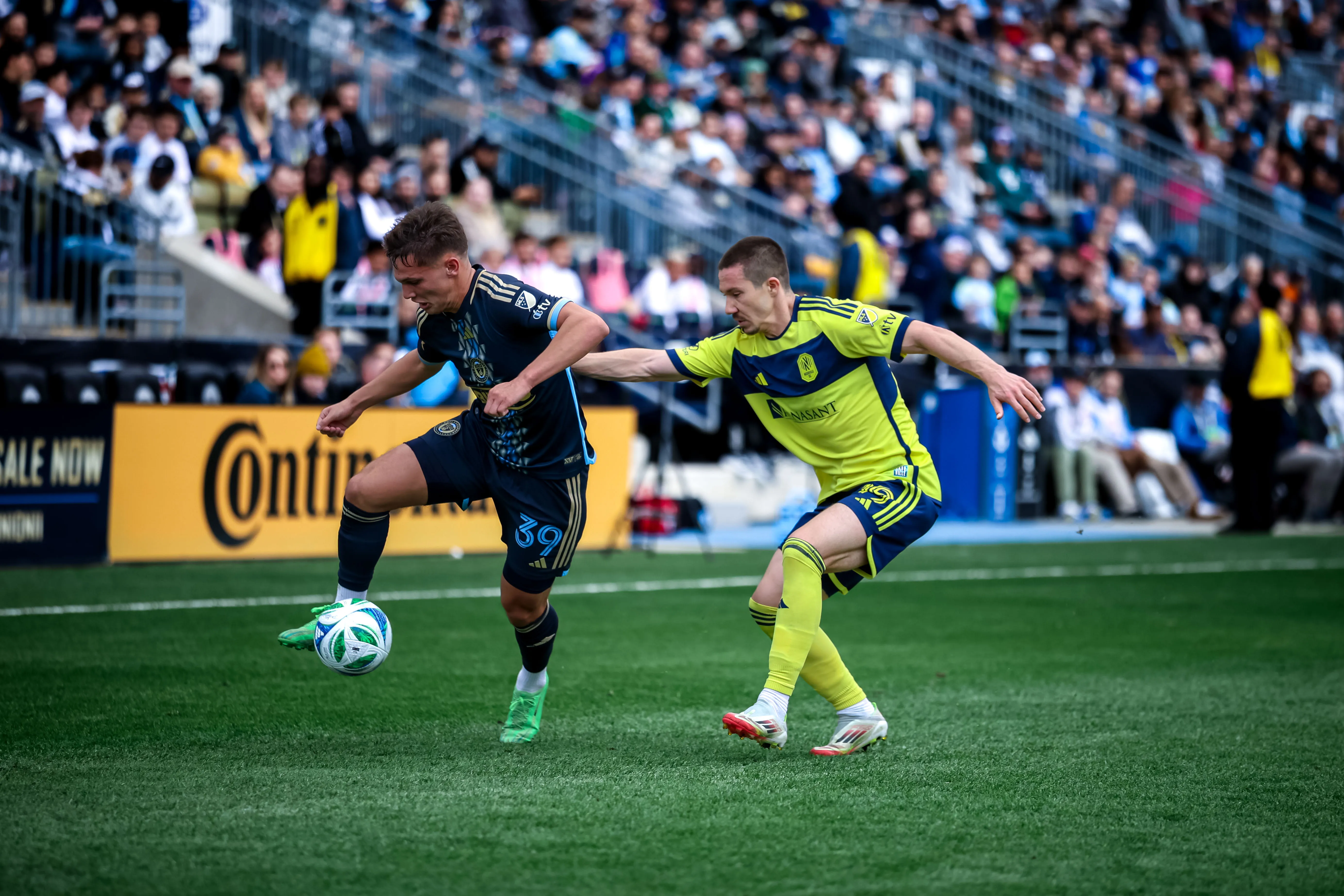
In the 44th minute, Nashville capitalized on a breakdown in the Union’s defensive shape, and Ahmed Qasem restored the visitors’ lead with a finish that deflated the building instantly.
From potential momentum-carrying parity to trailing again — all in the span of minutes.
Instead of going into halftime with belief, the Union walked off staring at another uphill climb.
2–1 Nashville. And the margin felt heavier than a single goal.

Second-Half Urgency, No Second-Half Reward
Philadelphia came out of the locker room with intent.
Numbers pushed forward. Fullbacks advanced. The Union hunted an equalizer with urgency, knowing the match demanded it. Subaru Park could sense it — the crowd rising with each attacking phase, each dangerous ball into the box.
But Nashville never lost their shape.
They absorbed pressure, stayed compact, and looked increasingly dangerous on the counter. Each Union push came with risk attached, and Nashville were happy to let that clock keep moving.
The match settled into a familiar MLS rhythm: one team pressing, the other waiting for the moment that ends it.
That moment came from the spot.
The Turning Point: Mukhtar from the Spot
In the 82nd minute, Nashville were awarded a penalty — the type of call that feels devastating when you’re already chasing a match.
Hany Mukhtar stepped up and did what elite players do: no hesitation, no drama, just a clean conversion.
3–1.
That goal didn’t just extend the lead — it extinguished belief. The Union kept pushing, but the air had left the night.

Frustration Boils Over Late
As if the penalty wasn’t enough, frustration compounded Philadelphia’s evening deep into stoppage time.
At 90+12’, defender Olwethu Makhanya was shown a red card, reducing the Union to 10 men as the match wound down. It didn’t affect the outcome — but it underscored the emotional toll of a night where effort didn’t equal reward.
The final whistle followed shortly after, confirming a loss that felt heavier than the scoreboard suggested.
Key Performances (and Missed Moments)
- Jovan Lukic was a bright spot, showing composure and confidence with his equalizing goal and steady presence in midfield.
- Sam Surridge and Hany Mukhtar proved decisive for Nashville — not with volume, but with timing.
- Nashville’s discipline in transition and ability to punish defensive lapses made the difference.
For Philadelphia, this wasn’t about lack of effort. It was about execution in moments that swing matches.

Stats That Actually Matter
- Nashville scored twice before halftime, including a back-breaking goal in the 44th minute
- Philadelphia conceded a penalty in the 82nd minute, turning urgency into inevitability
- The Union finished the match with 10 men after a stoppage-time red card
The margins were thin — until they weren’t.
What It Means Going Forward
This loss doesn’t derail Philadelphia’s season — but it does highlight where growth is still needed.
The Union responded well to adversity early. They pushed when trailing. They created pressure. But MLS seasons are defined by moments, and Nashville owned the biggest ones on the night.
For Nashville, this was a road performance built on patience, discipline, and killer instinct. For Philadelphia, it’s a reminder that controlling stretches of play means nothing if the critical windows aren’t locked down.
Final Take
This wasn’t a collapse. It was a slow bleed.
Philadelphia fought back, matched Nashville for long stretches, and stayed in the game deep into the second half — but the timing of goals against, capped by a late penalty, proved fatal. Nashville didn’t need to dominate; they just needed to be sharper when it mattered most.
In MLS, matches don’t always reward effort.
They reward precision.
And on this night, Nashville had more of it.