Sean Johnson Stands Tall in Gritty Scoreless Draw at Subaru Park
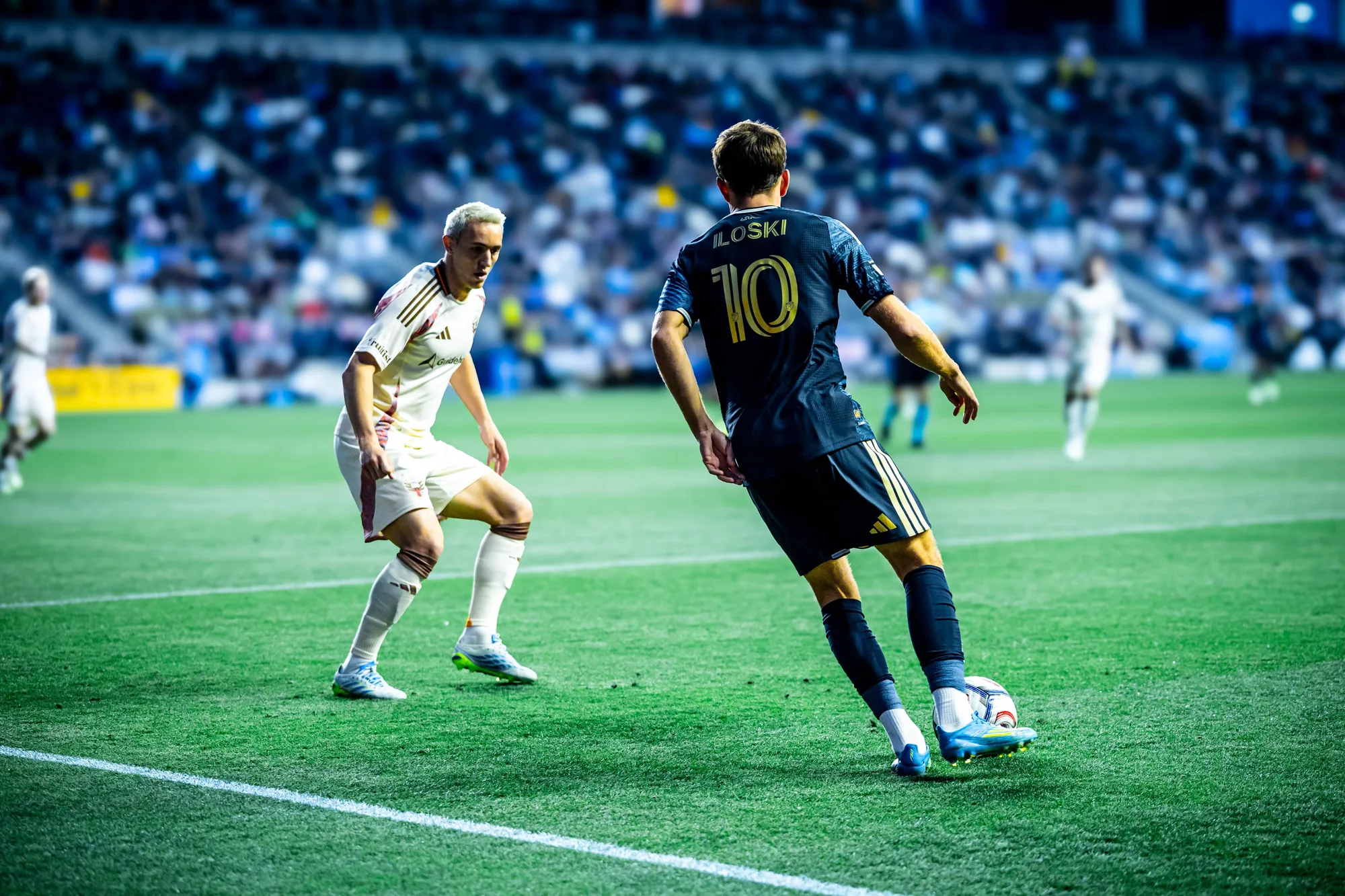

Some 0-0 draws feel like punishment. This one felt like survival, resistance, and maybe the first hint of identity for D.C. United.
Under pressure for long stretches at Subaru Park, the Black-and-Red walked into Philadelphia Union territory and walked out with a point Saturday night thanks to a massive performance from veteran keeper Sean Johnson, who turned away four shots and delivered his third clean sheet of the 2026 season.
No goals. No fireworks. No viral bicycle kicks. But if you appreciate goalkeeping, defensive structure, and the art of frustrating a home crowd, this was real soccer catnip.
For D.C., it was also a reminder that road points in the Eastern Conference don’t need to be pretty. They just need to exist.

First Half: Philadelphia Brought the Heat, Johnson Brought the Fire Extinguisher
From the opening whistle, Philadelphia looked like the side determined to impose itself. The Union pressed high, won territory, stacked corners, and forced D.C. into long defensive spells.
By halftime, the hosts had outshot D.C. United 7-3 and controlled much of the tempo. They also generated the kind of ugly pressure that wears teams down over 90 minutes — second balls, recycled possession, crosses into traffic, and the constant feeling that danger was one touch away.
That’s where Johnson entered main-character mode.
The veteran goalkeeper made three saves in the opening half alone, keeping the match level while bodies flew around him. Some keepers make saves. Johnson made statements.
Every stop carried weight because D.C. offered little going forward. They failed to register a shot on target all night and managed just six total attempts. This was not a game where their attack was going to bail them out.
So Johnson decided the script himself.
Nikola Markovic’s Arrival Game
If Johnson was the headline, Nikola Markovic was the subplot worth circling in red ink.
Making his first MLS start, Markovic looked nothing like a player easing into the level. He looked like someone who wanted every collision, every second ball, every clearance.
His numbers tell the story:
- 15 duels won
- Six headed clearances
- 19 total defensive contributions
- Full 90 minutes in a high-pressure road environment
That’s not just “solid debut” material. That’s “we may need to revisit the depth chart” material.
Markovic gave D.C. bite in midfield and defensive zones alike, helping break up Union rhythm and offering the sort of physical edge every road team needs when the game turns messy.
There are nights when young or unproven players simply survive their first start. Markovic looked like he belonged from minute one.

Second Half: Ugly, Tense, Effective
The second half became less about fluid football and more about emotional endurance.
Philadelphia continued to probe, but D.C. tightened the screws defensively. The Black-and-Red recorded nine interceptions after the break and won 14 ground duels, repeatedly cutting off passing lanes and turning dangerous moments into harmless resets.
It wasn’t glamorous. It was blue-collar.
Every clearance felt earned. Every throw-in felt contested. Every loose ball had three players treating it like buried treasure.
Philadelphia kept coming through volume — 17 total shots, 13 corners, over 54 percent possession — but never found the clean breakthrough. D.C. made sure of that.
And when the Union did get looks, Johnson was waiting like the final boss.
Return of Tai Baribo
Tai Baribo returned to the starting lineup after missing the previous two matches through injury, giving D.C. a needed boost in attack and hold-up play.
The stat line was modest — one shot, one chance created — but context matters. Returning in a road grinder against one of the East’s more physical sides is not exactly a soft re-entry.
Baribo’s presence at least gave D.C. an outlet and another body capable of occupying defenders. As fitness returns, the expectation will be more end product. But simply having him back mattered.

Stats That Actually Matter
Forget possession trophies. Here are the numbers that decided the night:
- Philadelphia: 17 shots, 13 corners, 54.3% possession
- D.C. United: 6 shots, 0 on target, 1 corner
- Sean Johnson: 4 saves, clean sheet
- Nikola Markovic: 15 duels won, 19 defensive contributions
- D.C. United: Third clean sheet of the season
That’s the anatomy of a smash-and-grab point without the smash.
When you produce zero shots on target and still leave with a result on the road, your goalkeeper and back line deserve the postgame meal on the club card.
The Turning Point
Oddly enough, the defining moment of a scoreless game may have been the first half refusal to concede.
If Philadelphia scores early — with the pressure they generated — the match likely opens up and becomes a far more dangerous chase for D.C. Instead, Johnson’s early saves kept belief alive and allowed the Black-and-Red to settle into a more disciplined defensive shell.
From there, frustration slowly shifted sides.
The crowd got restless. The Union got impatient. Crosses became rushed. Shots became hopeful.
That’s what elite goalkeeping can do: it doesn’t just stop attempts, it changes psychology.

What It Means for D.C. United
D.C. United entered the night with an ugly all-time road history against Philadelphia and little statistical reason for optimism. They came in with a 3-14-2 regular-season road record in this matchup and still managed to carve out a point.
That matters.
Road draws in April don’t win trophies, but they can stabilize seasons. They can build trust in a defensive system. They can reveal rotation pieces. They can keep locker rooms from spiraling.
And if Markovic is a real contributor and Johnson is finding top form, D.C. suddenly has something tangible to build on.
Now comes a bigger emotional test: a rivalry trip to New York Red Bulls on April 25 at Sports Illustrated Stadium.
That one will have more spice, more noise, and probably more yellow cards.
Final Whistle
This wasn’t art. It wasn’t romance. It was a team in enemy territory throwing on steel-toe boots and surviving.
Sometimes soccer is jazz. Sometimes it’s trench warfare.
For one night in Chester, Pennsylvania, D.C. United chose the mud — and came home with a point.