The USMNT’s Defining Storyline: Can This Generation Deliver on Home Soil?

The Weight of the Moment
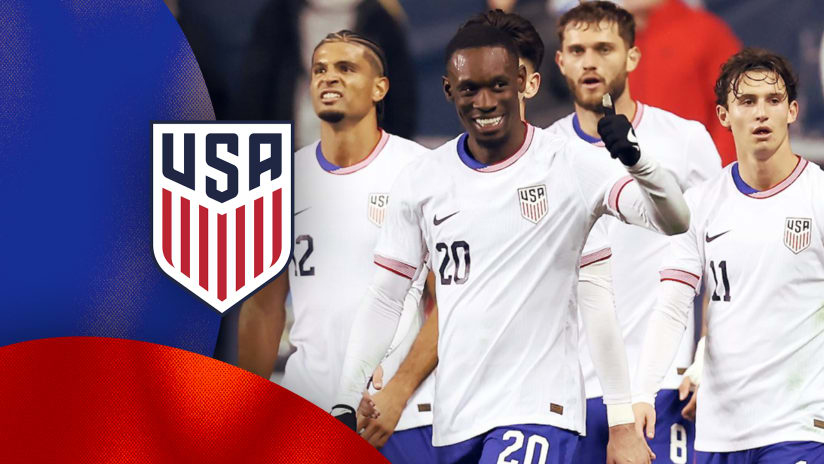
American soccer has been waiting for this generation. Since the USMNT qualified for the 2022 World Cup in Qatar and showed flashes of what a talented, young American team could do against England and Netherlands, the narrative around this group has been building. They are the most talented collection of American players in a generation. The European club careers. The tactical sophistication. The physical quality. The coaching investment. Everything has been pointing toward the 2026 World Cup on home soil as the moment where the promise becomes performance.
Now it’s June. The World Cup is twelve days away. The moment has arrived. And the question that has been hanging over this generation — can they actually deliver? — is about to get its definitive answer.
The Promise Has Been Visible
The 5-1 win over Uruguay in November 2025 was the clearest preview of what this team looks like when everything works. The pressing was relentless. The finishing was clinical. The depth of contributors — Berhalter, Freeman, Tessmann all scoring their first international goals in the same match — showed that the talent isn’t concentrated in two or three star players. When the system is working and the confidence is high, this USMNT can dismantle opponents who have won multiple World Cups. That’s not nothing. That’s a genuine marker of potential.
The Gold Cup runner-up finish in July 2025, even against a Mexico team at full strength, showed that a depleted USMNT could reach a continental final with enough tactical coherence to be genuinely competitive. Richards. Luna. Tillman. Freese. Those players emerged from the Gold Cup as legitimate contributors to a World Cup squad. The program’s depth is wider than it’s ever been.
The Questions That Remain
But the Belgium loss in March 2026 is still there. The Nations League semifinal exit to Panama is still there. The Copa América group stage disaster that triggered this entire rebuild is still there. For all the potential this generation has shown, the record against top-tier opponents is mixed enough to warrant genuine uncertainty about what happens when the World Cup pressure is at its absolute peak.
The honest assessment: this USMNT is good enough to advance from Group D. It is potentially good enough to reach the quarterfinals if the right opponents emerge in the knockout bracket. Whether it is good enough to reach the semifinal or final depends on a combination of performance, health, and bracket luck that can’t be fully predicted in advance. The ceiling is genuinely high. The floor is still uncertain enough to be concerning.
What Delivering Looks Like
For this generation to deliver on its potential in June 2026, the definition of success has to be honest. Reaching the round of 16 is the baseline expectation for a co-host with a favorable group draw. Reaching the quarterfinals would be a genuine achievement and a statement about the quality of American soccer’s development pipeline. Reaching the semifinal would make this group one of the great stories in American sports history. A World Cup final would be the single greatest achievement in U.S. Soccer’s modern era.
None of those outcomes is predetermined. All of them are possible. The bracket opens on June 12 in Los Angeles. This generation has been preparing for this moment for years. The question of whether they can deliver is about to get answered.
Why This Matters for the USMNT Going Forward
The 2026 World Cup isn’t just about June and July. The result — whatever it is — will shape American soccer’s trajectory for the next decade. A deep run will accelerate the sport’s growth in ways that infrastructure and investment alone cannot produce. An early exit will set the conversation back and force a reckoning about whether the promise was real or constructed. This generation has everything it needs to make history. The only thing left is to go out and do it.