USMNT January 2026 Camp: What Pochettino Learned From the MLS Roster Window
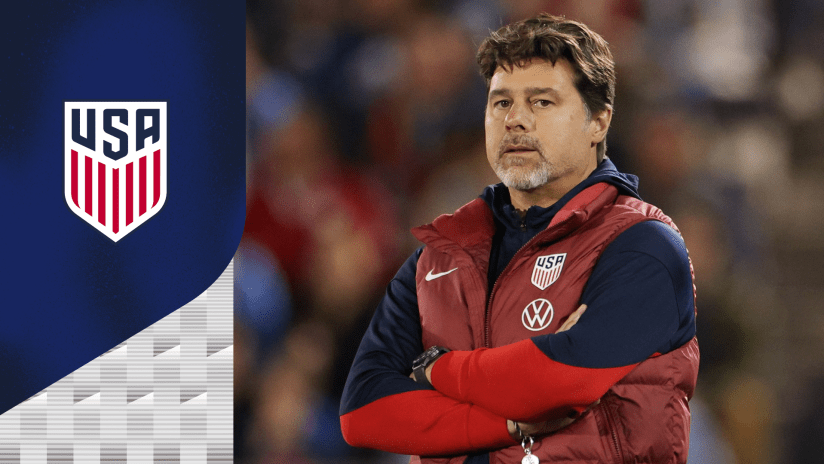

The January Experiment
Every January, the USMNT goes into evaluation mode. Outside of the FIFA international window, European clubs don't release their players, which means Mauricio Pochettino gets an extended look at the talent base that Major League Soccer produces. In January 2026, with the World Cup roughly five months away, that evaluation window felt different. The stakes were higher. The urgency was real. And the results — a 3-1 win over Venezuela on January 18 and a 3-0 win over Costa Rica on January 22 — gave the coaching staff genuine things to think about.
Pochettino brought in 24 players for the camp, with 19 MLS-based players on the roster. The message was deliberate: the national team program wants to see who in the domestic game has what it takes to compete at the international level, even if only a handful of them will ultimately make the final 26-man World Cup squad. That kind of wide-angle scouting is how programs deepen their options. It’s also how players who might otherwise never get a call get the chance to make an impression that changes their career trajectory.
First International Goals, New Names
The Venezuela match produced the kind of individual moments that January camps exist to find. Jack McGlynn, Patrick Agyemang, and Matko Miljevic all scored their first international goals — three players who entered the match as question marks and left with answers in their favor. Eight players earned their first senior caps in that match. For a program building toward a home World Cup, that kind of data collection matters.
Agyemang’s goal was particularly notable. The Charlotte FC striker had been one of the more intriguing domestic prospects heading into the year, and his ability to hold up play against a South American defensive unit — even a weakened one outside the FIFA window — gave Pochettino something to file away. The January camp’s purpose was never to determine the World Cup roster. It was to make Pochettino’s decisions harder in the best possible way.
What the Camp Showed Tactically
Pochettino used both matches to test variations of his preferred 3-4-3 structure with players who aren’t usually involved. The results showed that the formation’s basic principles can be taught relatively quickly to players who haven’t had extended time in the system. The wide wingback roles — demanding in terms of both defensive tracking and forward contribution — were occupied by a rotating cast of players, and some handled them better than others.
Max Arfsten, who’d broken through in 2025, was among the most composed performers. Diego Luna’s presence despite being an MLS player showed that the Real Salt Lake midfielder had genuinely earned his place in Pochettino’s considerations at every level of the national team’s operations.
The Bigger Picture
Pochettino said before the camp that he was “looking forward to the opportunity to get to know many of the MLS players and see all the potential talent we have here in the United States.” That quote reads as diplomatic, but the sentiment is genuine. One of the persistent criticisms of American soccer has been that the national team program and the domestic league operate as parallel systems that don’t communicate as effectively as they should. January camps are one of the few structural moments where that gap closes.
The wins over Venezuela and Costa Rica were respectable without being revelatory. Venezuela was missing their best players due to the non-FIFA window, and Costa Rica was fielding a Liga FPD-heavy squad under new manager Miguel Herrera. But in January, the result matters less than the process. Pochettino left South Florida with more information than he arrived with. In a World Cup year, that’s the whole point.
Why This Matters for the USMNT Going Forward
The January 2026 camp won’t be remembered as a landmark moment in USMNT history. But it may be remembered as the window where Pochettino saw something in a player who ended up on the 26-man roster — or where a player made an impression strong enough to survive the next round of cuts. With Belgium and Portugal on the schedule in March, the January results provided confidence without complacency. The program is building. Whether it builds fast enough is what June will answer.