After Belgium and Portugal: What the March Losses Mean for USMNT’s World Cup Mindset

The Panic Is Understandable. It’s Also Wrong.
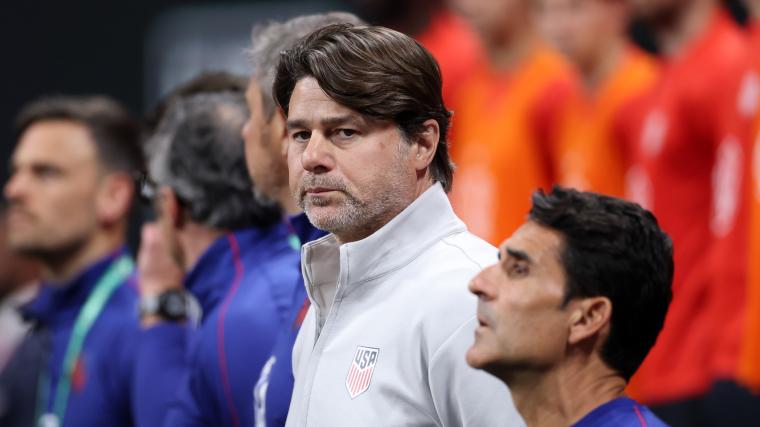
After back-to-back losses to Belgium (5-2) and Portugal (2-0) in the March 2026 international window, American soccer Twitter went through its predictable sequence: outrage, catastrophizing, calls for tactical overhauls, demands that Pochettino be fired, and approximately 40,000 hot takes about whether the United States was going to embarrass itself at home in June. All of that was understandable. None of it was particularly useful analysis.
Here’s what actually happened in Atlanta: the United States played a competitive first half against Belgium, a top-10 team that had not lost since March 2025, and then conceded four goals after the break due to a combination of defensive structure failures and individual mistakes. Against Portugal, the USMNT were organized, committed, and fundamentally outclassed by a team that will enter the World Cup as a legitimate contender to win it. Both results revealed real problems. Neither result revealed that the United States is going to go 0-3 in Group D.
The Historical Context
The USMNT’s record against European opponents is genuinely bad — ten straight losses heading into the Senegal friendly. That’s a real number and a real pattern. But it’s also worth contextualizing: the United States plays significantly more matches against CONCACAF and CONMEBOL opponents than European ones, and the friendlies against European powerhouses are specifically scheduled because they present the highest possible quality of challenge in the preparation window. Losing to Belgium and Portugal is not the same thing as losing to Paraguay and Australia.
The 2014 U.S. World Cup team — broadly considered a success for reaching the round of 16 — lost to Germany 4-3 and lost to Colombia 5-1 in the months before the tournament. Context matters in assessing pre-tournament preparation results.
The Real Questions Worth Asking
What the March window did legitimately surface: the goalkeeper position is not settled, and the decision between Turner and Freese will define the tournament in ways that can’t be undone. The defensive shape in the second half of difficult matches collapses too quickly when opponents with elite pace and technical quality find space in transition. Pulisic’s goal drought for the national team — stretching back to November 2024 — is a real concern because this team needs him to be decisive in front of goal in June.
Those are three genuine problems. They are also three problems that have specific, findable solutions in the remaining weeks of preparation. Freese vs. Turner gets resolved in the roster announcement. The defensive second-half structure needs to be drilled in May training. Pulisic’s Senegal performance answered the form question emphatically. The solutions exist. The March window made sure everyone knew the questions.
The Attitude Story That Won’t Go Away
Landon Donovan’s claim that some USMNT players barely left their hotel rooms after the Belgium loss and that the ones who did appeared insufficiently bothered generated the kind of cultural debate that American soccer loves and often regrets. Whether the characterization was accurate or fair, Pochettino addressed it directly in the weeks following: he expected more from his players in terms of professional accountability, and the conversations he had within the group after Belgium reflected that expectation.
The answer to the attitude question won’t come in press conferences. It will come on the field in June, when the United States faces Paraguay at SoFi Stadium and the game is on the line. That’s when character gets revealed. The March losses gave observers reason to wonder about it. The World Cup will settle the question one way or the other.
Why This Matters for the USMNT Going Forward
The March window served its purpose: it tested the USMNT against elite European opposition and revealed genuine vulnerabilities that had time to be addressed before June. The losses to Belgium and Portugal are not harbingers of World Cup disaster. They are the kind of difficult preparation experiences that properly-run programs use to get better. Whether Pochettino and this squad have used them correctly will be visible on June 12 in Los Angeles.