Vinícius Júnior Saves the Seleção as World Cup Heavyweights Settle for a Tense Draw
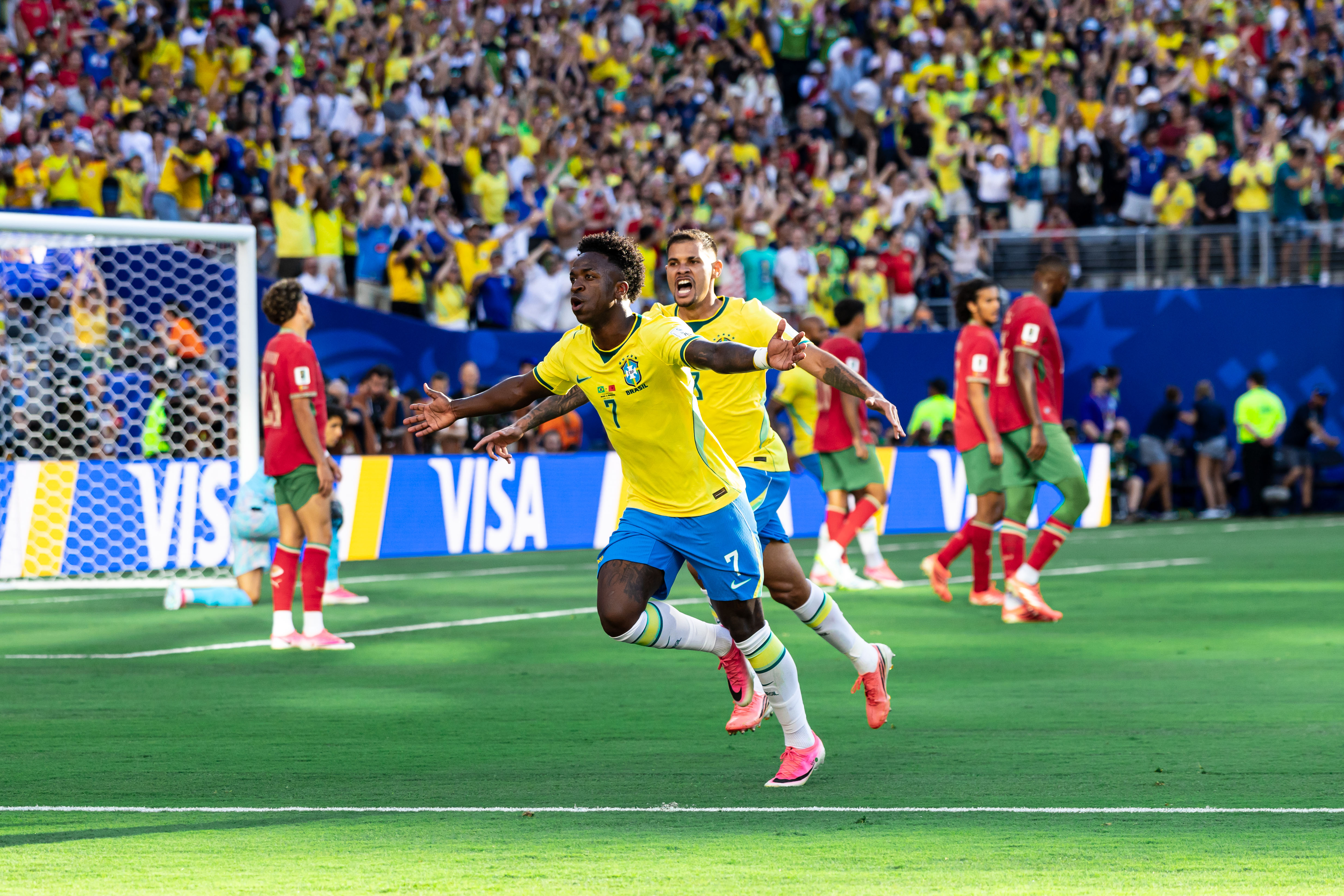

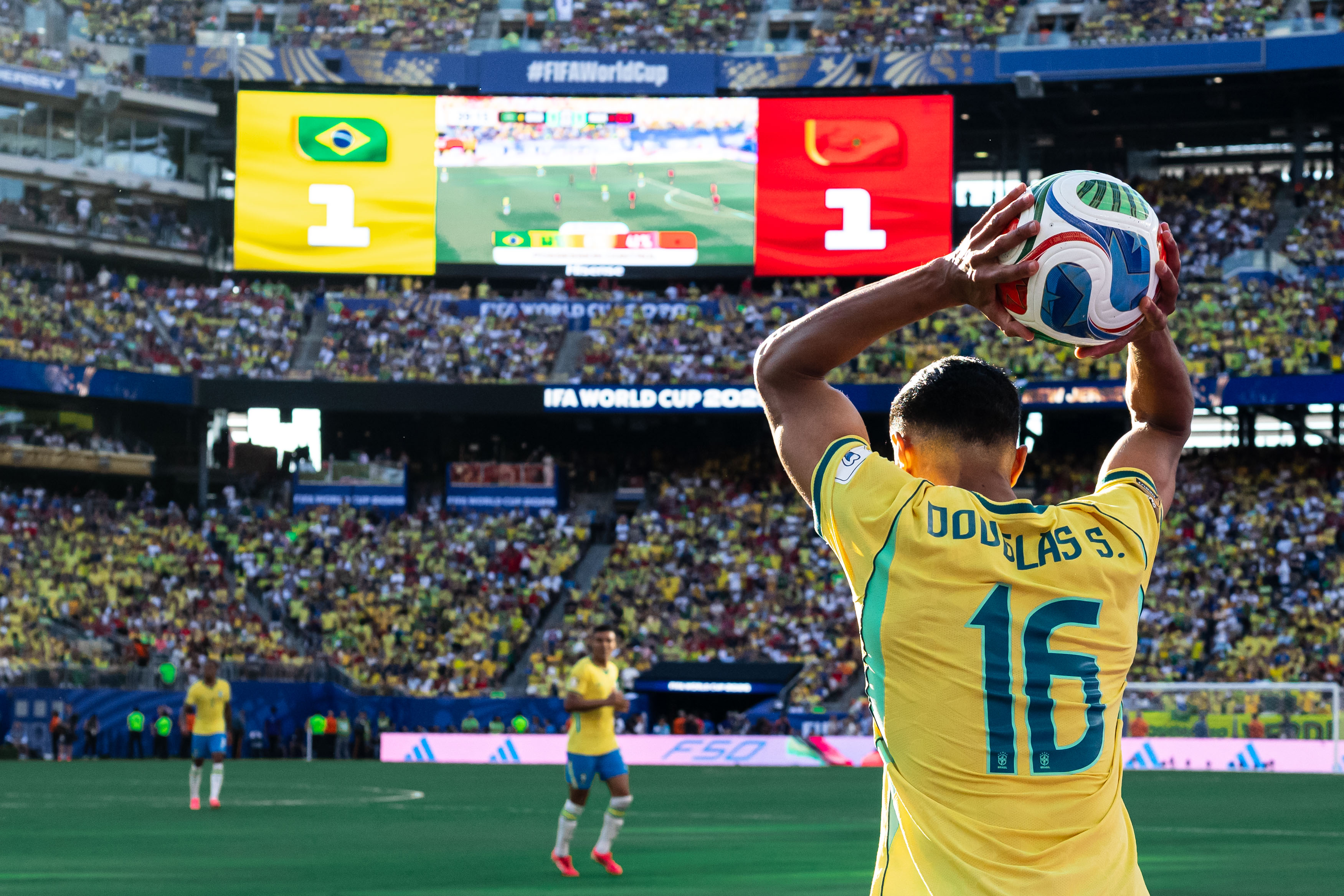
The noise inside MetLife Stadium felt ready for a coronation. More than 80,000 fans packed the venue that will host next month's World Cup final, a sea of yellow jerseys expecting Brazil's latest quest for a sixth star to begin with a statement.
Instead, for the better part of 30 minutes, it looked like Morocco had stolen the script.
And if not for Vinícius Júnior doing what Vinícius Júnior does best, Brazil's opening night could have turned from uncomfortable to downright alarming.
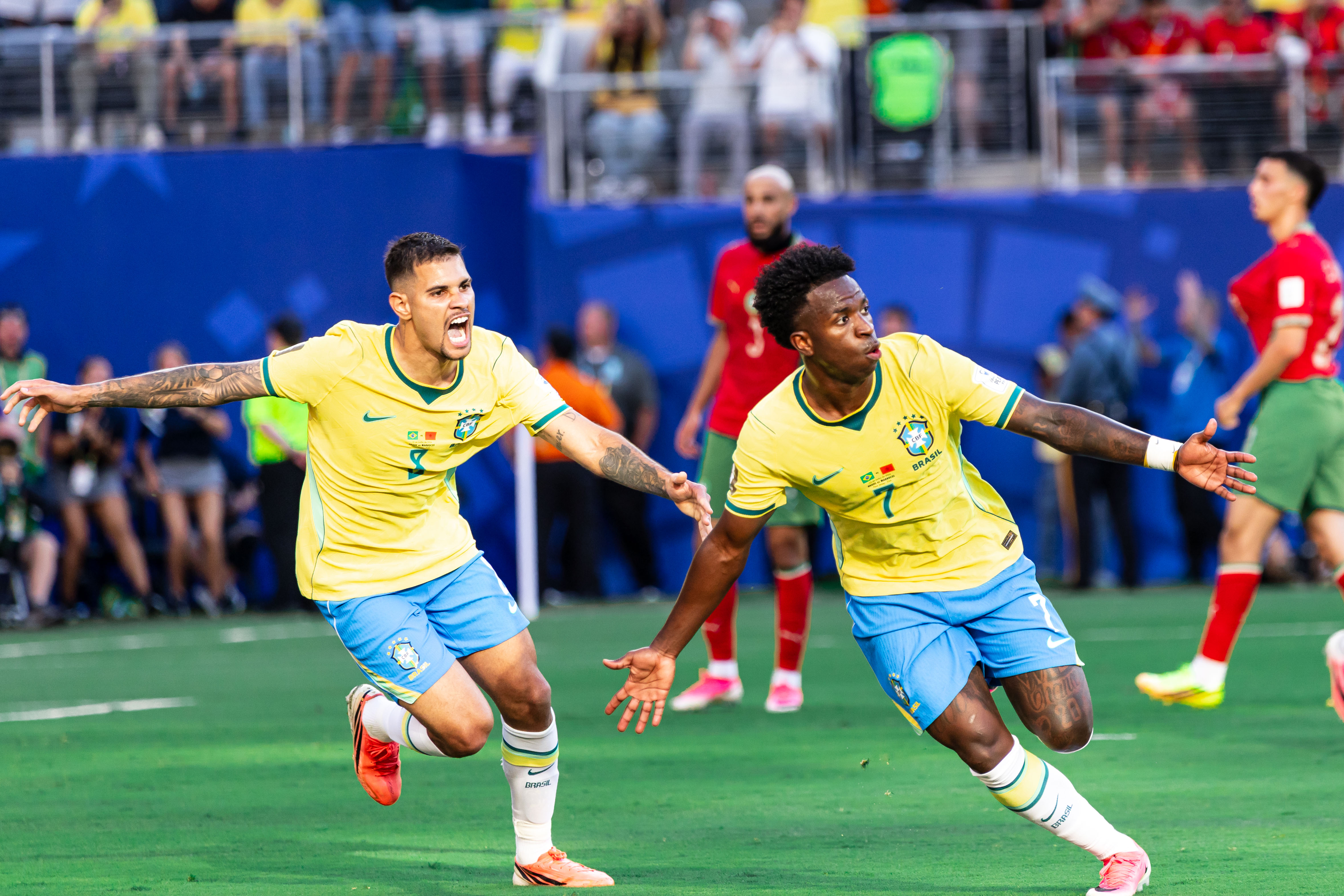
The Real Madrid superstar delivered a moment of individual brilliance in the 32nd minute, rescuing Brazil with a stunning equalizer in a 1-1 draw against Morocco in one of the most anticipated matches of the tournament's opening round.
On paper, it was only a draw. In reality, it was a result that left both sides feeling something entirely different.
Morocco walked away looking every bit like a legitimate threat to make another deep World Cup run. Brazil walked away with a point, but also a growing list of questions that manager Carlo Ancelotti must answer before Friday's matchup against Haiti.
For one afternoon in New Jersey, the underdogs looked more organized, more confident, and frankly more prepared than the five-time world champions.
Morocco Land the First Punch
This wasn't supposed to be a gentle opening assignment for either team.
Brazil entered ranked sixth in the world. Morocco sat seventh. In a tournament expanded to 48 nations, this was arguably the highest-quality matchup of the entire group-stage opening slate.
The early stages reflected that intensity.
Morocco didn't show up to admire the yellow shirts. They showed up to attack them.
From the opening whistle, the Atlas Lions pressed aggressively and targeted Brazil's vulnerable right side. Every possession felt purposeful. Every transition felt dangerous.
Brazil, meanwhile, looked disjointed.
Passes went astray. The midfield lacked rhythm. The defensive structure repeatedly cracked under pressure.
The warning signs were flashing long before the opening goal arrived.
Then came the breakthrough.
In the 21st minute, a sequence of mistakes gifted Morocco the opportunity they had been hunting.
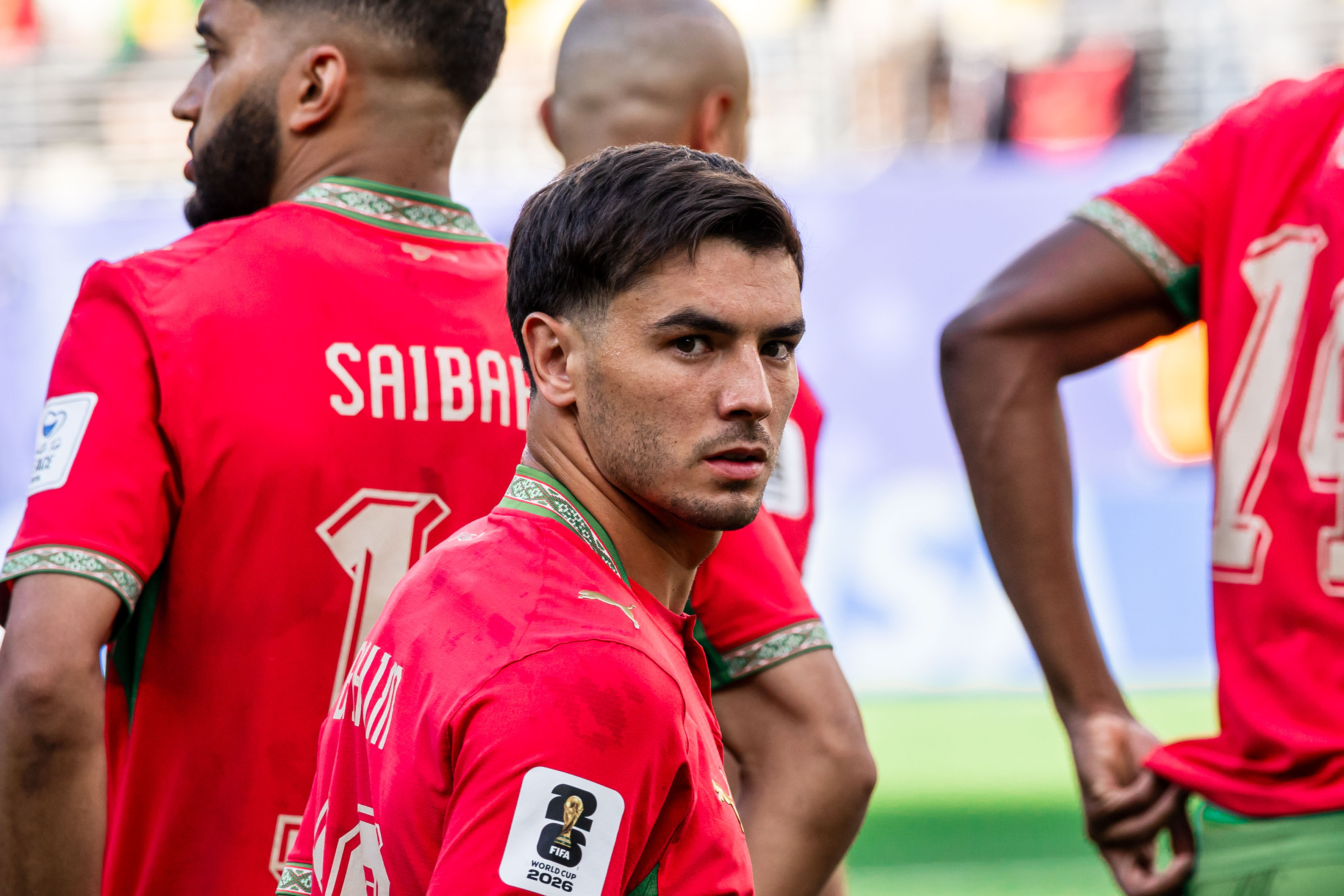
A sloppy exchange involving Lucas Paquetá and Roger Ibañez spiraled into danger almost instantly. Morocco pounced on the loose ball, worked it forward through Brahim Díaz, and suddenly Ismael Saibari was sprinting into open space behind Brazil's back line.
The pass split the central defenders perfectly.
Saibari did the rest.
As Alisson Becker hesitated coming off his line, the Moroccan attacker calmly lifted the ball over the goalkeeper and into the net.
MetLife went quiet.
Morocco led 1-0.
And the scoreline wasn't flattering Brazil. If anything, it reflected what was happening on the field.
For a team carrying championship expectations, the opening half hour felt alarmingly familiar to some Brazilian supporters who have spent the last two decades watching talented squads struggle to balance flair with structure.
Vinícius Delivers a Superstar Response
The beauty of having elite talent is that sometimes tactics can fail and organization can disappear, but one special player can still change everything.
Brazil desperately needed that player.
Vinícius answered the call.
Twelve minutes after Morocco grabbed the lead, Brazil's biggest attacking weapon finally found room to operate.
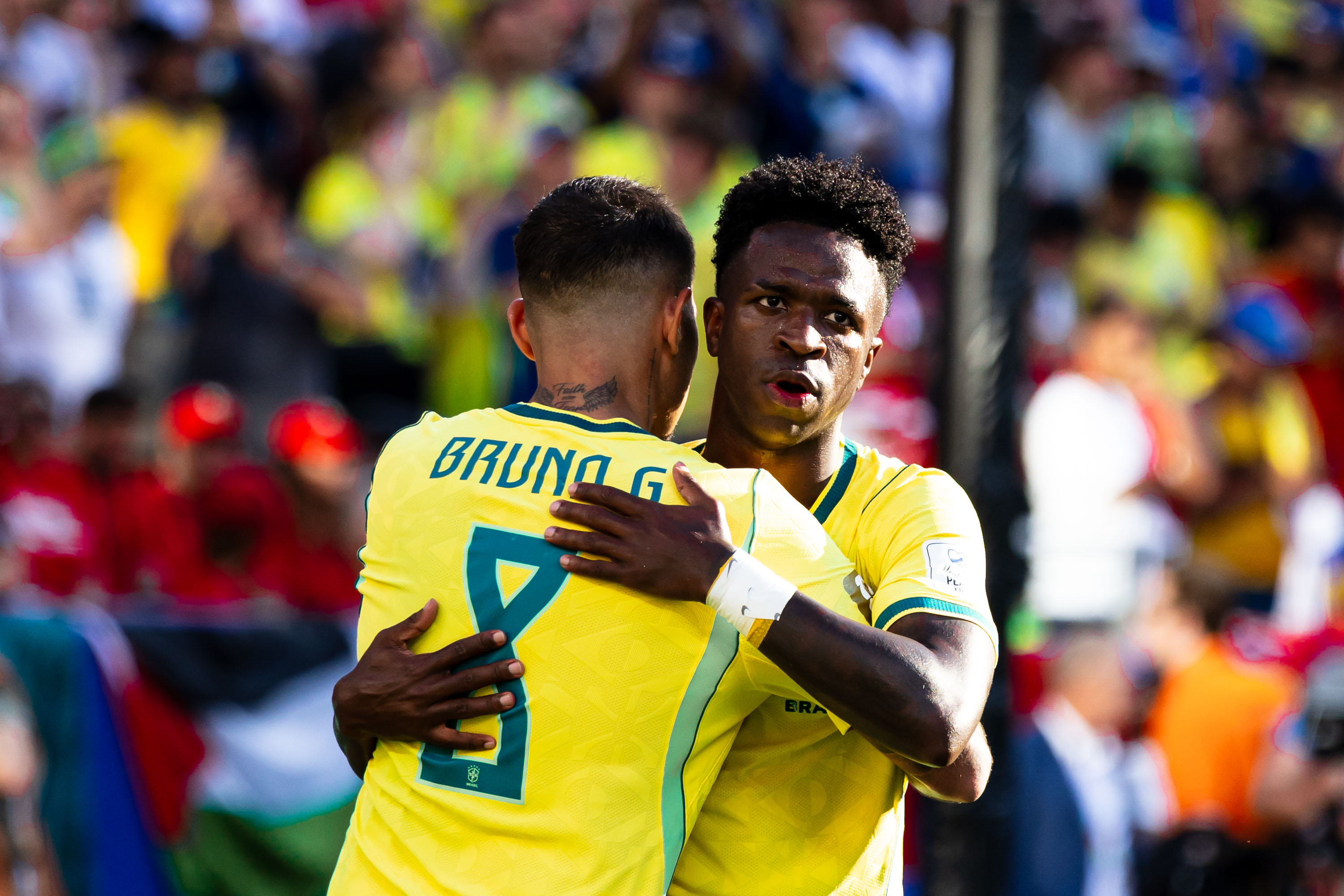
Receiving the ball on the left side, Vinícius combined with Bruno Guimarães before driving toward the edge of the penalty area.
A quick touch.
Another touch.
A tiny pocket of space.
Then came the explosion.
The winger unleashed a right-footed strike that screamed past Yassine Bounou and tucked inside the far side of the goal.
It was the kind of finish that felt inevitable the moment it left his foot.
Bounou stretched.
The crowd rose.
The ball hit the net.
Brazil exhaled.
At 1-1, the match had been reset by a moment of pure individual quality.
More importantly, Vinícius prevented a disastrous narrative from taking hold.
Had Morocco reached halftime ahead, questions about Brazil's midfield, defensive balance, and squad construction would have become even louder.
Instead, the Seleção had life.
Ancelotti's Gamble Backfires Early
Much of the postgame conversation centered around Brazil's manager.
When Carlo Ancelotti accepted the job, he brought unmatched club pedigree and a reputation for solving difficult football problems.
Saturday provided a reminder that international football offers fewer solutions and even less time.
Several of Ancelotti's pregame decisions looked shaky from the start.
The most obvious issue came down Brazil's right flank.
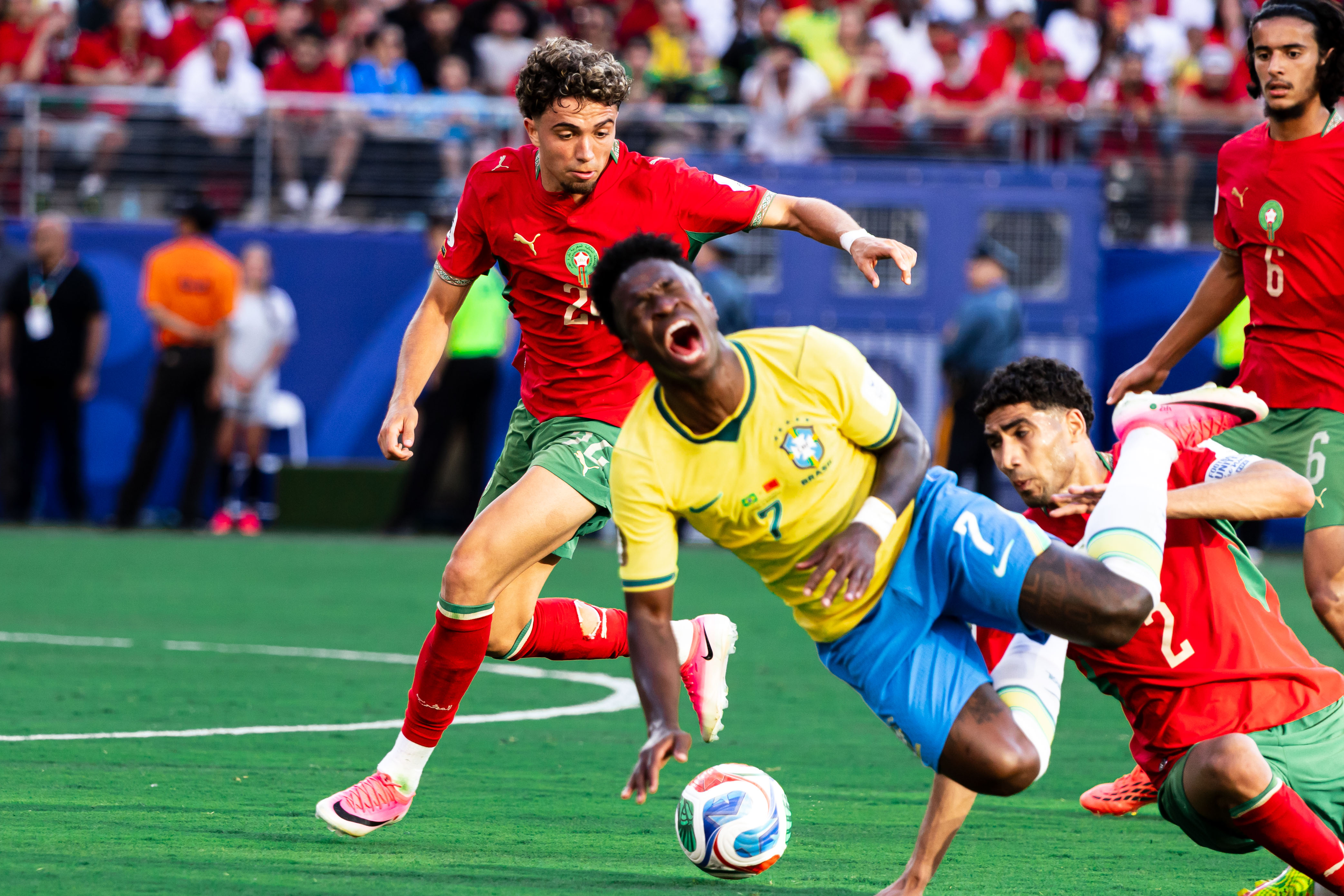
With injuries limiting options, the veteran coach entrusted center back Roger Ibañez with a role that never looked comfortable. Morocco repeatedly attacked that side, exposing positioning issues and forcing Brazil into emergency defending situations.
Mazraoui and El Khannouss essentially turned that corridor into their personal runway during the first half.
The midfield wasn't much better.
Casemiro, one of Brazil's most experienced players, endured a rough evening. The veteran struggled to maintain possession, misfired passes, and often arrived a step late defensively.
For long stretches, Morocco dictated the tempo against a Brazilian midfield that appeared unable to establish any control.
The imbalance became impossible to ignore.
Ancelotti recognized it.
And to his credit, he acted quickly.
Halftime Changes Shift the Momentum
The second half looked like a different game.
Not because Brazil suddenly became brilliant.
But because they finally became functional.
Ancelotti replaced both Ibañez and Casemiro at halftime, introducing Danilo and Fabinho.
The impact was immediate.
Danilo brought stability to the defensive line and reduced Morocco's success attacking wide areas. Fabinho added composure in possession and helped Brazil recover second balls that had consistently fallen Morocco's way in the first half.
Suddenly, Brazil could actually sustain attacks.
The midfield stopped leaking possession.
The defensive shape stopped bending every few minutes.
It wasn't perfect, but it was unquestionably better.
Ancelotti also adjusted his attack.
Starting Igor Thiago had been an intriguing decision before kickoff. By halftime, it looked like a failed experiment.
The striker struggled to connect with Vinícius and Raphinha and rarely influenced the game in meaningful areas.
When Matheus Cunha and Luiz Henrique entered, Brazil's attack gained fluidity almost immediately.
Passing sequences became cleaner.
Movement improved.
Morocco's defenders faced more difficult decisions.
The game finally tilted toward Brazil.
Morocco Show They're No Fluke
Lost amid discussions about Brazil's shortcomings is a simple truth.
Morocco played exceptionally well.
This wasn't a lucky draw.
This wasn't a team parking the bus and praying for counterattacks.
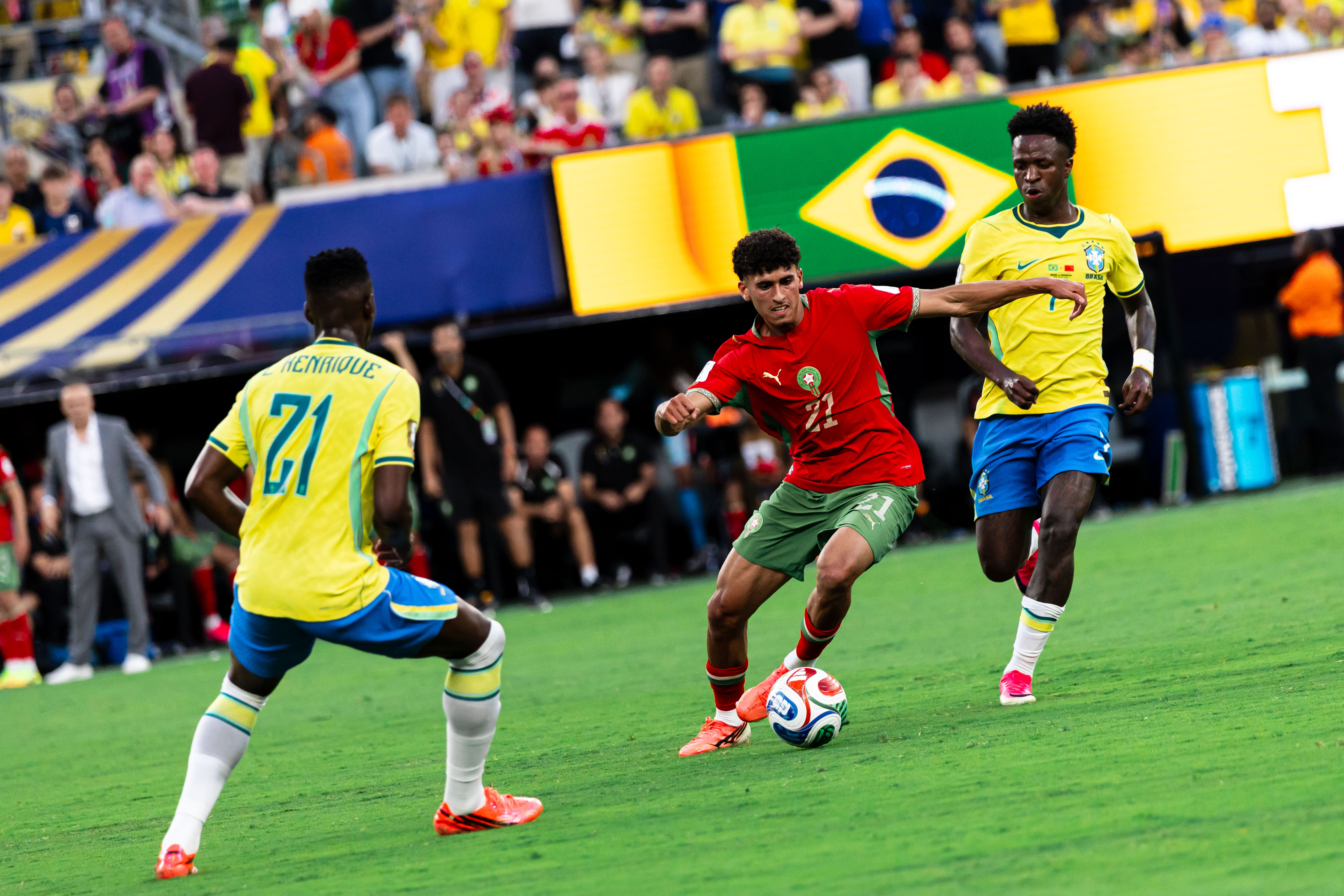
Morocco dictated long stretches against one of the tournament favorites and looked fully capable of winning.
The foundation of their performance was confidence.
Ever since their historic run to the semifinals four years ago, Morocco has carried itself differently on the world stage.
The fear factor is gone.
This group understands it belongs among football's elite.
Saibari's goal highlighted the quality of their transitions. Díaz orchestrated attacks with intelligence. Mazraoui caused problems all afternoon. Defensively, they stayed compact while still finding opportunities to press.
Most importantly, Morocco never seemed intimidated by the occasion.
Against many teams, that opening-half performance would have produced more than one goal.
The Stats That Actually Matter
The final score says 1-1.
The bigger numbers tell a deeper story.
Brazil extended its remarkable unbeaten streak in World Cup opening matches to 21 games, a run dating back to 1934. That streak includes 17 victories and now another draw.
Vinícius scored his 10th international goal, continuing his evolution from exciting young talent into the centerpiece of Brazil's attack.
Saibari also netted his 10th international goal, further cementing his importance to Morocco's rising generation.
And perhaps the most important statistic of all: Brazil looked significantly stronger after Ancelotti's substitutions.
The eye test mattered more than the box score on this night.
Brazil's starting setup struggled.
Brazil's adjusted setup worked.
That's information Ancelotti cannot afford to ignore.
What This Means Moving Forward
Nobody wins a World Cup in the opening match.
But teams can certainly reveal who they are.
Brazil's performance exposed vulnerabilities that opponents will study immediately.
The lack of natural fullbacks remains concerning.
The midfield balance remains uncertain.
And Neymar's continued absence leaves even more creative responsibility on Vinícius.
The good news?
Brazil still escaped with a point despite playing below its standard.
Championship teams often survive their worst nights.
The challenge now is ensuring this was merely an off night and not a preview of deeper issues.
For Morocco, the result reinforces what many observers already suspected.
This team is no longer a Cinderella story.
They're a legitimate contender.
A squad with elite technical players, tactical discipline, and enough belief to challenge anyone in the tournament.
Friday's matches suddenly carry significant weight.
Brazil faces Haiti knowing improvement is mandatory.
Morocco meets Scotland with an opportunity to seize control of the group.
Final Whistle
Sometimes World Cup openers are forgettable formalities.
This wasn't one of them.
Morocco arrived at MetLife and spent 90 minutes reminding the world that its semifinal run was not some once-in-a-generation miracle.
Brazil arrived expecting answers and left with homework.
Yet amid the uncertainty, one thing remained clear.
When everything around him looked messy, Vinícius Júnior delivered the kind of moment superstars are paid to create.
Brazil may not have looked like future champions on Saturday.
But champions usually have at least one player capable of dragging them through imperfect performances.
For one tense evening in New Jersey, Vinícius was exactly that player.
And for Brazil, that may have been the most important result of all.