Visionary Leadership: The Decade-Long Journey to Create the Celebration Bowl
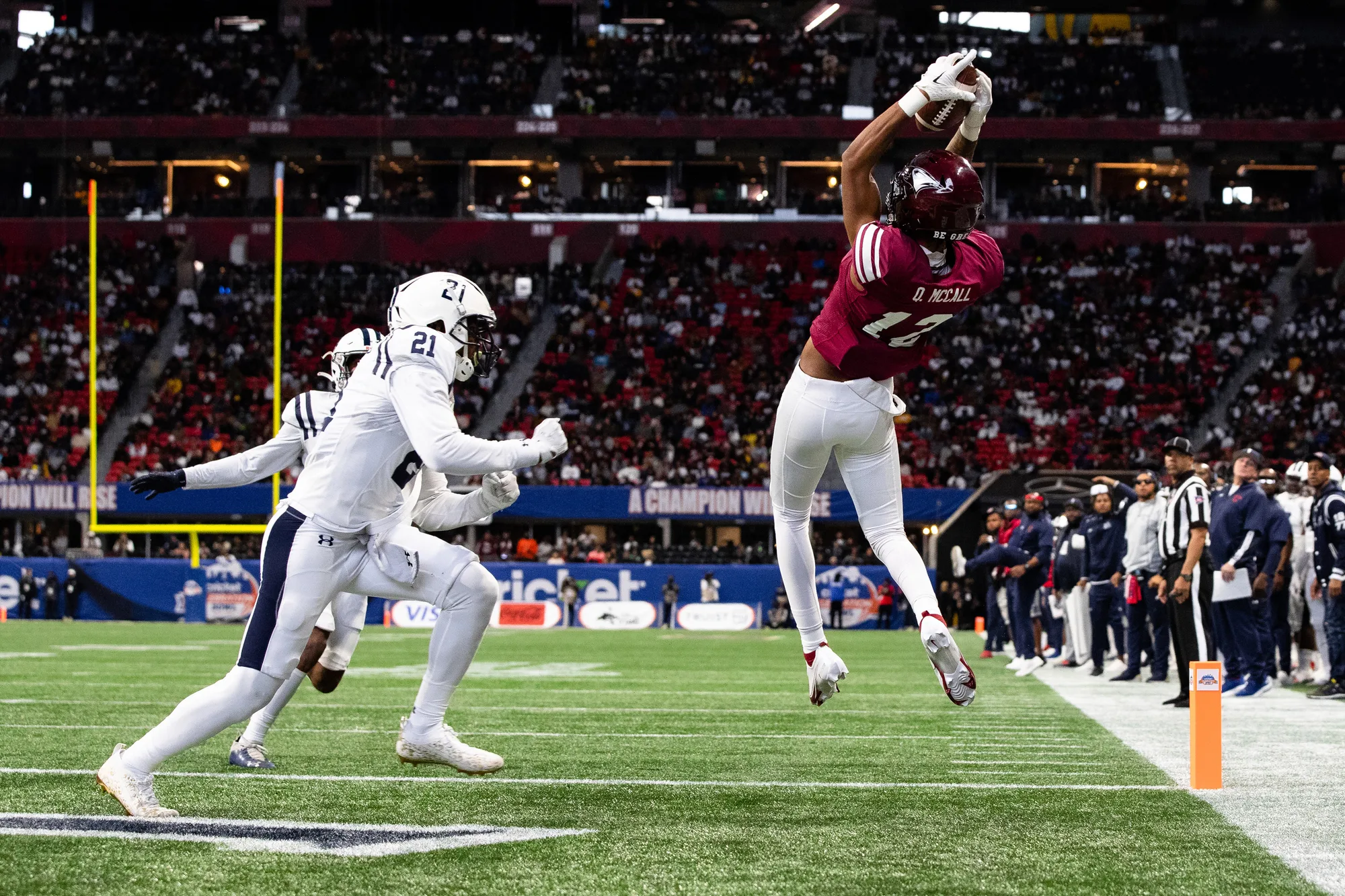

Being a visionary often means navigating uncharted territories, facing skepticism, and persisting in the pursuit of an unconventional goal. Dr. Dennis Thomas, former commissioner of the Mid-Eastern Athletic Conference (MEAC), knows this firsthand. In 2004, Thomas envisioned a groundbreaking event that would not only reshape the landscape of historically Black college football but also provide economic sustenance for the participating conferences. His vision ultimately led to the creation of the Celebration Bowl, a journey marked by resilience, rejection, and, finally, triumph.
The Birth of a Vision:
Thomas initially broached the idea of having the MEAC and Southwestern Athletic Conference (SWAC) open and close their football seasons against each other in 2004. However, the proposal faced resistance, especially as it meant relinquishing the MEAC's automatic berth in the Division I-AA national playoffs. Undeterred, Thomas persisted, advocating for a postseason bowl between the MEAC and SWAC champions.
A Decade of Rejection:
For ten consecutive years, Thomas faced rejection from chancellors, presidents, athletic directors, and coaches. The proposal to create the Celebration Bowl was met with a resounding "no." Undaunted by discouragement and advice to abandon the idea, Thomas remained steadfast, bringing up the proposal each year.
Breaking the Barriers:
In 2014, Thomas, with the support of ESPN, secured a pivotal $1 million payout guarantee for each conference. This financial backing was crucial in convincing conference leaders to embrace the Celebration Bowl concept. Thomas's perseverance paid off, and the inaugural Celebration Bowl took place, determining the Black college football national champion.
A Visionary's Resilience:
Thomas's ability to withstand repeated rejection stems from a lifetime of overcoming obstacles. Raised on a small farm in Mississippi, he ascended from an assistant football coach to the commissioner of the MEAC. His focus was always on the big picture, evident in accomplishments such as increasing student-athlete graduation rates and securing lucrative partnerships with ESPN and Nike.
Economic Sustenance and ESPN's Support:
The key turning point in realizing the Celebration Bowl was Thomas's meeting with ESPN president John Skipper. The network's commitment to broadcasting, marketing, and promoting the game, along with a $1 million guarantee, provided the necessary financial foundation. With this support secured, Thomas enlisted the help of John T. Grant Jr., an accomplished organizer, to bring the vision to life.
Personal Significance and Impact:
For Grant, a graduate of North Carolina A&T, the Celebration Bowl holds personal significance. It not only showcases the rich history and traditions of Historically Black Colleges and Universities (HBCUs) but also contributes to increased interest and applications. Grant cites studies correlating athletic success and national exposure to heightened interest and admissions in universities.
Success and Future Prospects:
The Celebration Bowl, rooted in Black culture, has achieved remarkable success, drawing substantial viewership and attendance. Despite facing competition during its time slot, the game held its own, indicating a promising future. Thomas, whose vision became reality, expresses profound satisfaction at the bowl's growth and impact.
Conclusion:
Dr. Dennis Thomas's journey to create the Celebration Bowl exemplifies visionary leadership, resilience, and the transformative power of a bold idea. The success of the Celebration Bowl not only crowns Black college football champions but also serves as a beacon for the enduring impact of perseverance in the face of skepticism. As the Celebration Bowl continues to thrive, it stands as a testament to the visionaries who dare to dream beyond the conventional and pave the way for groundbreaking change.