
Sports Broadcasting’s $5 Billion Problem: RFK and Trump Take Aim at Pharma Ads
Robert F. Kennedy just landed his first blow in the fight against Big Pharma, pushing an executive order with Trump that could strip sports broadcasters of billions in pharma ad revenue. If drug commercials disappear, the entire playbook for how we watch — and pay for — sports on TV might be about to change.
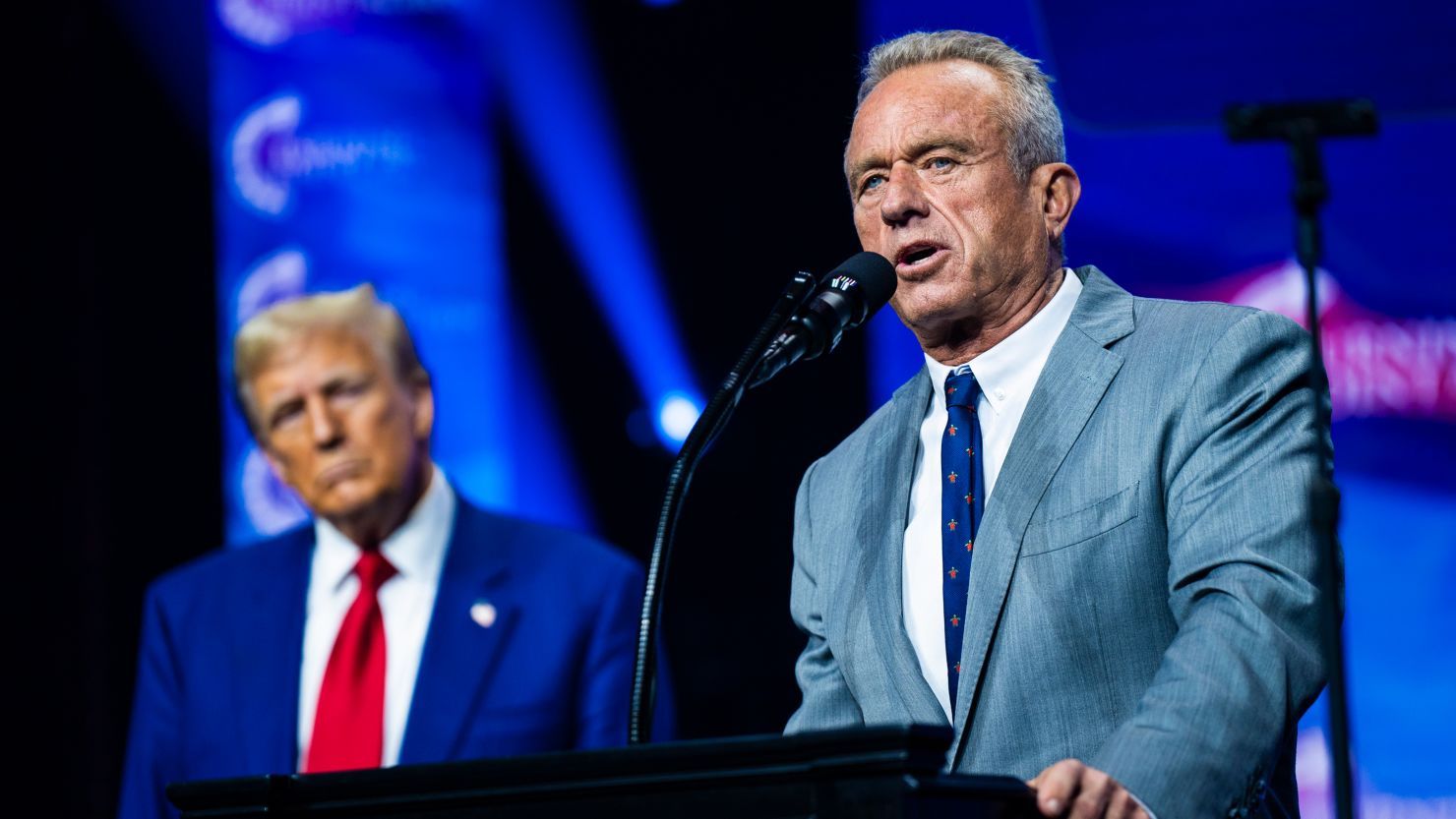
Robert F. Kennedy just landed his first blow in the fight against Big Pharma, pushing an executive order with Trump that could strip sports broadcasters of billions in pharma ad revenue. If drug commercials disappear, the entire playbook for how we watch — and pay for — sports on TV might be about to change.
Forget touchdowns, buzzer beaters, and walk-off homers — the biggest hit in sports media this week came from the White House, and it wasn’t even about sports. Health and Human Services Secretary Robert F. Kennedy — yes, that Kennedy — just threw the first haymaker in his long-promised crusade against pharmaceutical advertising. Backed by President Donald Trump, who signed the executive order last week, Kennedy is trying to pull the plug on the $5 billion firehose of drug commercials that bankroll sports TV. If that sounds boring, think again: this is the kind of move that could change how we watch games, how networks make money, and maybe even who’s holding the mic during halftime shows.
The “Game Flow” of Pharma Ads: From Sidelined to Prime Time
To understand why this order is such a bombshell, you have to rewind the tape. Before 1997, you almost never saw prescription drugs hawked during prime-time NFL matchups or March Madness broadcasts. Why? Because the FDA required companies to disclose every single side effect on-air. You can’t squeeze a list of “may cause dizziness, vomiting, uncontrollable hiccups, and sudden existential dread” into a 30-second spot without sounding like a comedy sketch.
Then came the FDA’s 1997 rule change — the equivalent of a busted coverage that left the end zone wide open. Instead of rattling off the entire CVS receipt of side effects, pharma companies only had to mention the “major” ones and direct viewers to a phone number or website for the rest. Suddenly, you had shorter ads, smoother marketing, and celebrities showing up to pitch everything from cholesterol meds to antidepressants.
The result? Pharmaceutical ad spending went from basically zero to more than $5 billion annually. Today, those ads make up nearly 12% of all linear TV ad dollars. That’s not just some pocket change — that’s money that keeps ESPN, CBS, FOX, and NBC flush enough to drop nine-figure deals on sports rights.
The Star Players: RFK, Trump, and Big Pharma
Kennedy has been clear for years: he sees pharma ads as manipulative, misleading, and borderline toxic to public health. He campaigned on banning them during his presidential run last year, and now he’s actually in a position to swing the bat.
Trump, never one to pass up a headline, cosigned the move with an executive order officially titled, “Addressing Misleading Direct-to-Consumer Prescription Drug Advertisements.” That’s government-speak for: “We’re cutting off the gravy train.”
On the other side of the field? Big Pharma, obviously, but also the sports networks who rely on that $5 billion like it’s oxygen. These are the same networks who already live on a razor’s edge trying to justify billion-dollar rights fees with declining cable subscriptions. Losing pharma ads would be like pulling a starting QB mid-game and telling the punter to run the offense.
The Turning Point: Kennedy’s First Blow
This executive order is being billed as Kennedy’s opening move — not a knockout punch, but definitely a body shot that’ll leave bruises. It doesn’t flat-out ban ads (yet), but it tightens the screws by requiring stricter disclosures and making it harder for pharma to gloss over side effects.
Translation: ads are about to get longer, clunkier, and less persuasive. Imagine trying to hype up a new arthritis drug while also listing 40 potential ways it could wreck your body. That doesn’t sell. The expected outcome? Pharma ad spending shrinks, maybe dramatically.
And if pharma money leaves sports broadcasting, the networks are going to have to scramble to find new revenue streams. Betting companies? Already maxed out. Fast food? Still there, but not enough. Crypto? Dead in the water. You see the problem.
Stats That Matter
$5 billion: Current annual pharma TV ad spend.
11.6%: Share of all linear TV ad dollars pharma represents.
0% pre-1997: How much pharma spent on TV before the FDA’s rule change.
1 executive order: The shot Kennedy just fired at one of the most lucrative revenue streams in sports media.
These numbers aren’t just trivia. They’re the difference between CBS bidding for March Madness rights at $1 billion versus bowing out because the ad slots aren’t profitable anymore.
What It Means for Sports Fans
If you think this is just a DC policy fight, you’re missing the bigger play. Sports broadcasting runs on advertising. Every timeout, every halftime break, every change-of-possession is filled with commercials. If one of the biggest advertisers suddenly vanishes, networks don’t just shrug — they adjust.
That adjustment could look like:
Higher subscription prices for streaming services like ESPN+ or Peacock.
More corporate sponsorships stuffed into broadcasts (get ready for the “Amazon First Down Line” or “DoorDash Timeout”).
Worse deals for leagues and players if networks can’t keep shelling out for broadcast rights.

Austyn McFadden
Co-Founder
I co-founded Undrafted, helping grow it from two people with cameras into a credentialed sports media organization covering thousands of college and professional events each year. My background spans sports media, brand strategy, identity, and digital design. I have also spoken on photography, branding, and entrepreneurship at Nossi College of Art, Greenon Local Schools, and Wright State University through Reynolds & Reynolds.
More From Austyn McFadden
View All
Britt McHenry Out at State Department After Drink-Throwing Incident at Wizards Game
October 23, 2026
Georgia, Alabama and Texas All Lose on Same Day for First Time Since 1996 as Byrum Brown, Auburn Stun No. 1 Bulldogs
October 18, 2026
NCAA Sues Ohio Gov. Mike DeWine Over Fifth-Year Eligibility Executive Order
October 16, 2026