Bryant-Denny Stadium Shares Augusta National's SubAir System as Isaias Rain Moves Through Before Georgia-Alabama
Alabama hosts Georgia on Saturday night on a field that has run on a SubAir drainage and aeration system since a 2023 rebuild. The technology was developed at Augusta National, home of the Masters, and the remnants of Hurricane Isaias brought heavy rain to Tuscaloosa in the hours before kickoff.
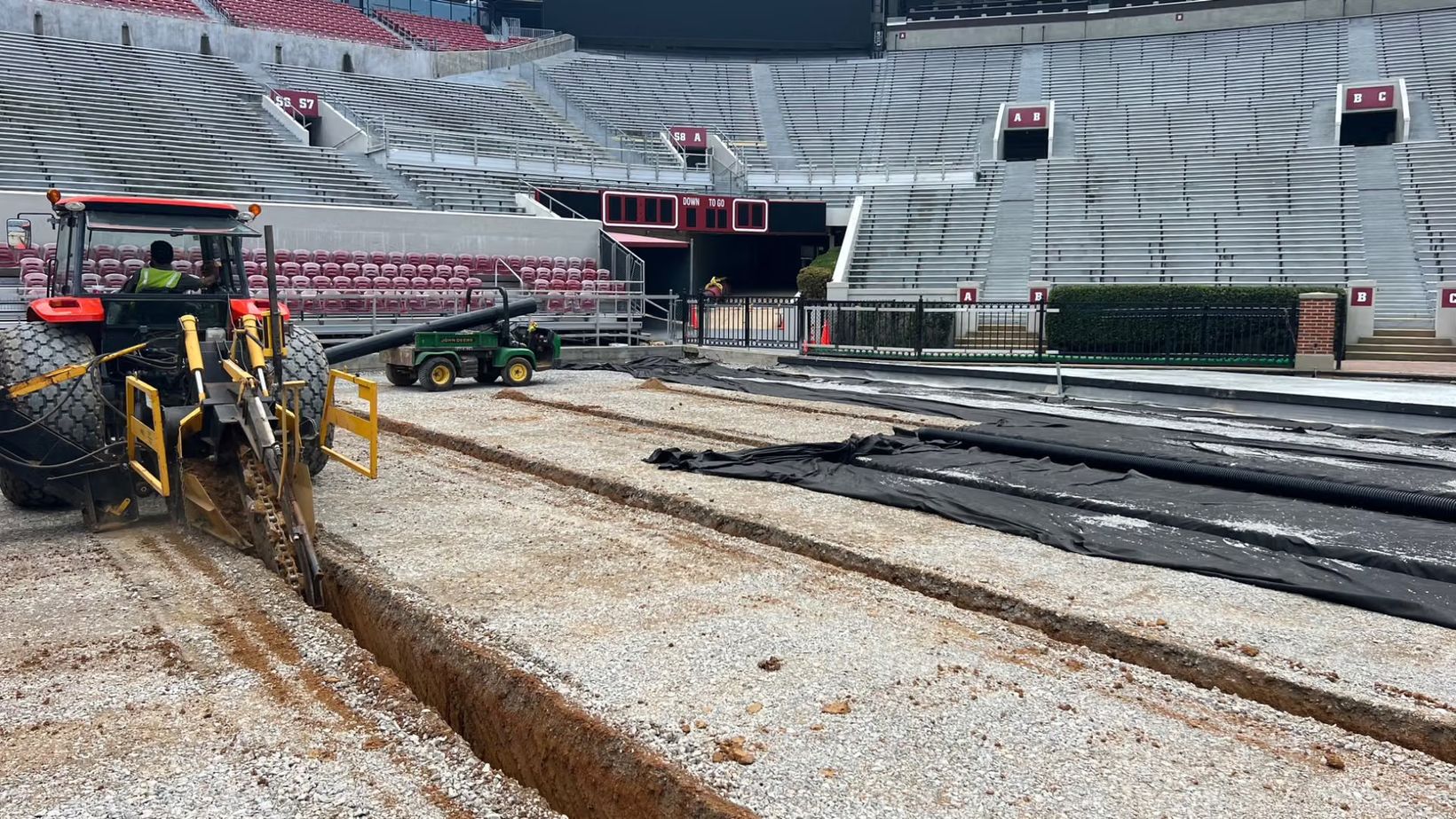
Georgia and Alabama are scheduled to kick off at 6:30 p.m. CT Saturday at Bryant-Denny Stadium after the remnants of Hurricane Isaias brought heavy rain to West Alabama earlier in the day. The field they will play on drains through a SubAir system, the same technology Augusta National Golf Club uses to keep the greens at the Masters firm after storms.
Isaias made landfall near Destin, Fla., on Friday night as a Category 2 hurricane with 105 mph winds, according to the National Weather Service, before weakening to a post-tropical cyclone over southern Alabama. The weather service posted a flood watch for Tuscaloosa through Sunday. Alabama Athletics said kickoff remained on schedule, and Golfweek highlighted the field's Augusta National connection in a story published Friday.
Alabama installed the system in 2023, when it rebuilt the playing surface and replaced the field's underground drainage for the first time in more than three decades.
A system that started at Augusta
SubAir Systems was founded in 1994 by Marsh Benson, who spent years overseeing the course and grounds at Augusta National. The company is based in Graniteville, S.C., across the Savannah River from Augusta.
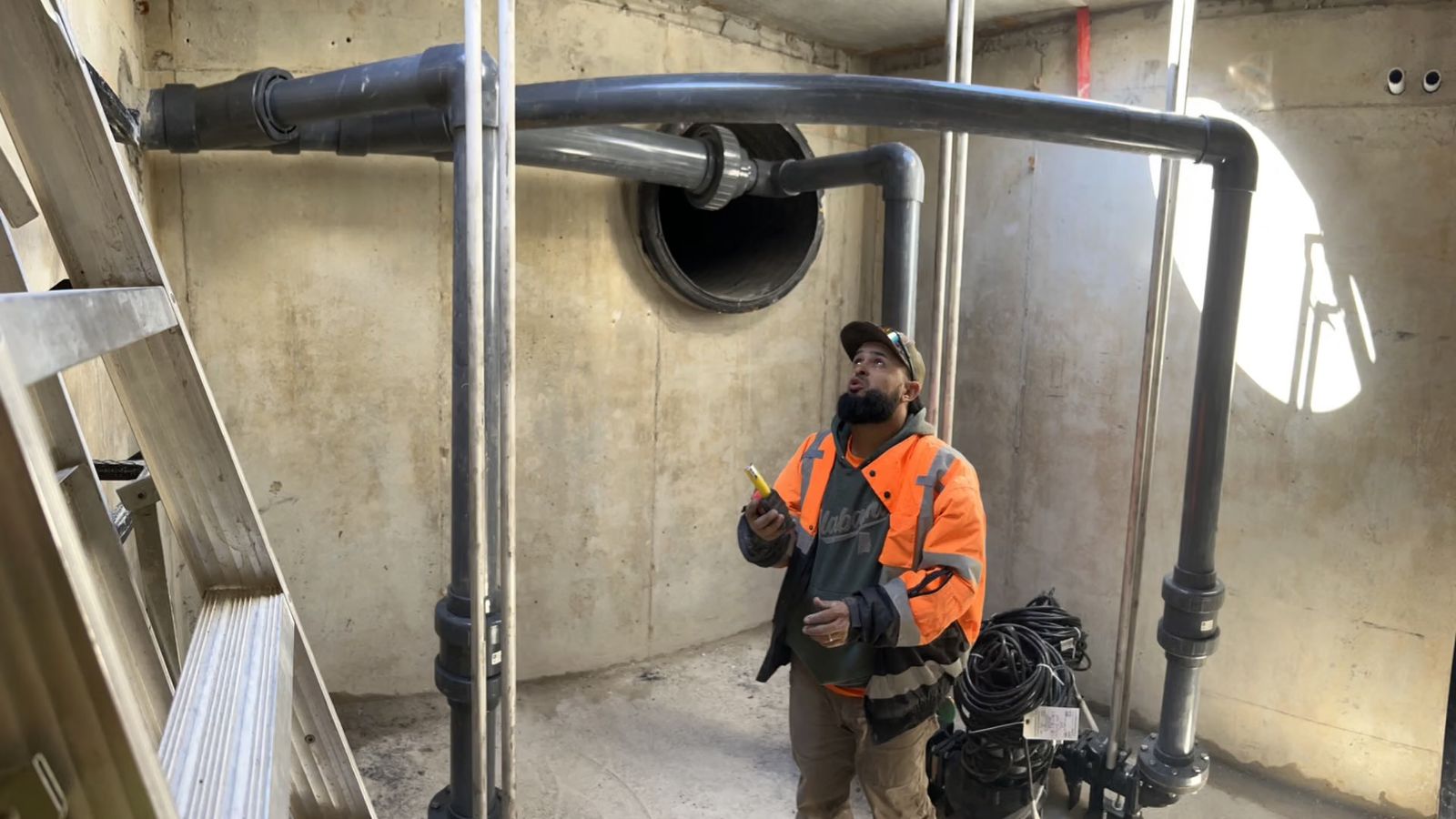
Benson's original goal was healthier turf in the heat and humidity of the South, and the system's primary purpose was to push air into the root zone from below, according to accounts in Golf Course Industry and Australian Golf Digest. The units can also run in reverse. In vacuum mode, a blower pulls air and water down through the playing surface and into drain pipes, which is why the system is best known for drying greens after rain.
Augusta National has permanent units under its greens and has extended the system to other parts of the course, including fairway landing areas, according to Golf Digest. SubAir does not disclose pricing. Golf.com reported in 2020 that industry estimates put the cost at roughly $25,000 per green.
Replacing a 1991 field
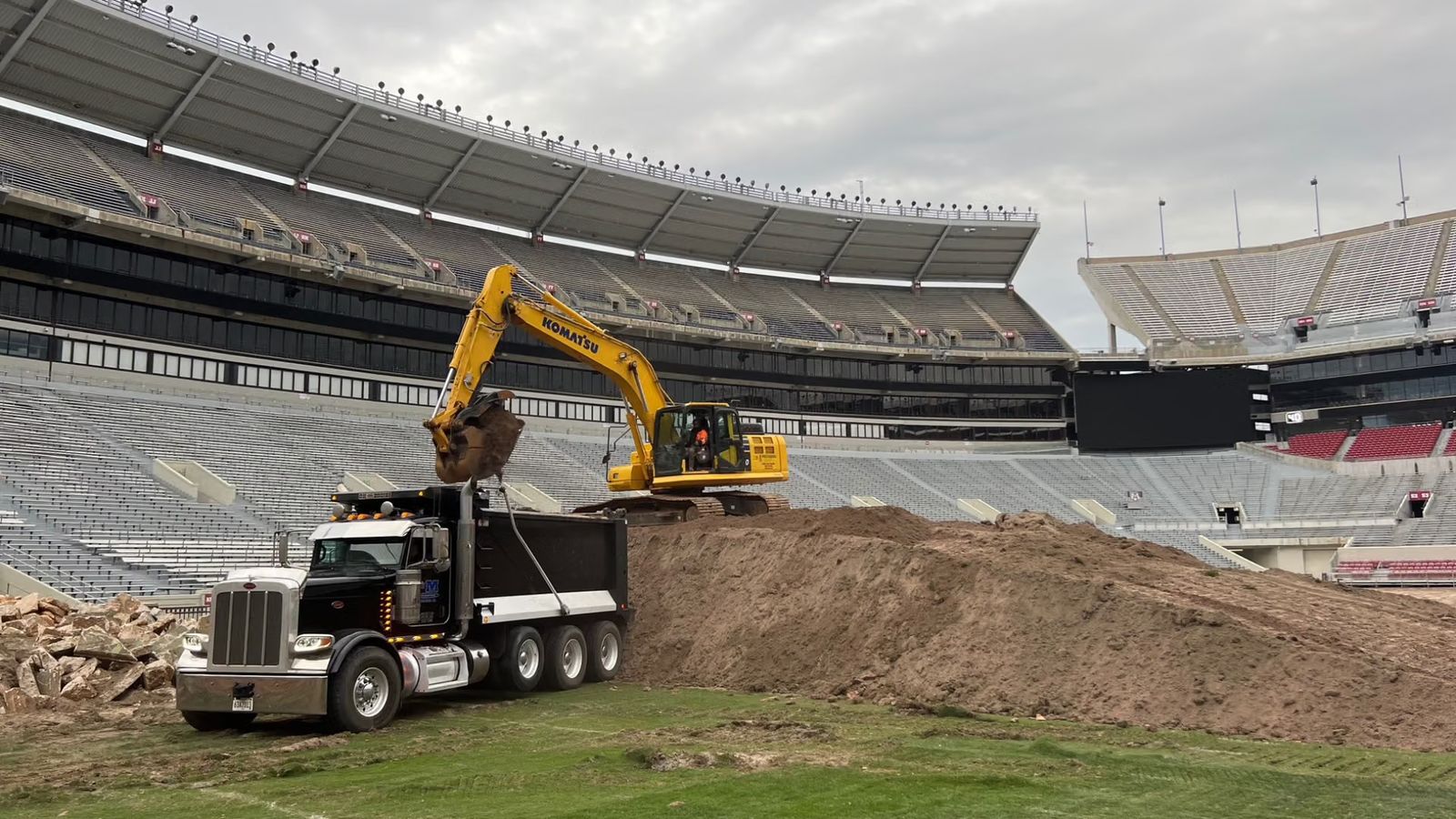
Before 2023, Alabama played on a field built in 1991. Golfweek reported that the old field lacked a gravel layer, which led to drainage problems over time. Jon DeWitt, Alabama's director of athletics grounds, told WBRC in July 2023 that the turf and underground drainage were being replaced for the first time in 31 years.
That surface was in place for all six of Nick Saban's national championship teams at Alabama. The playing field has carried Saban's name since 2024, when the university named it Saban Field at Bryant-Denny Stadium.
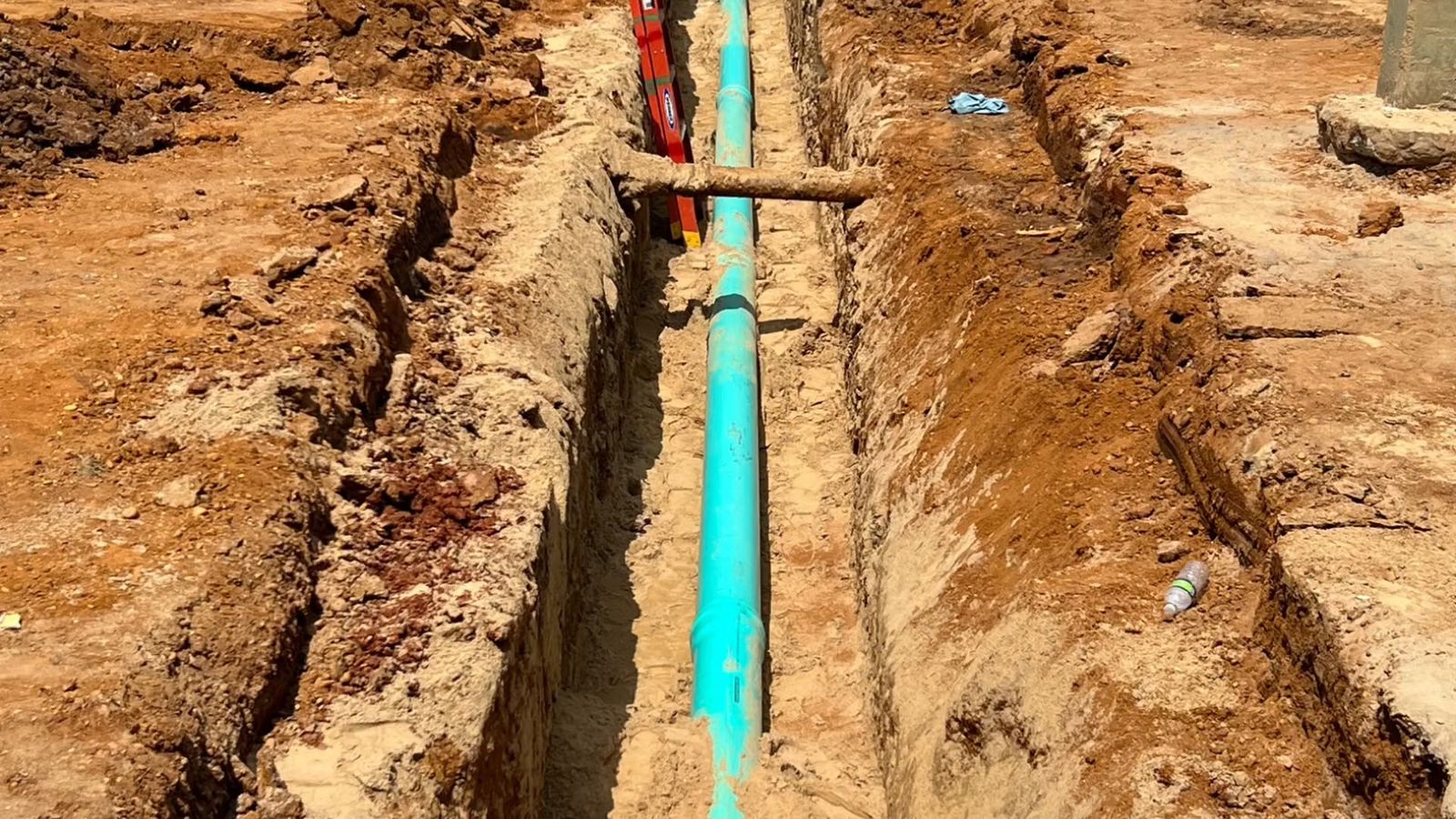
Crews dug 22 inches down across the field's 1.7 acres to remove the old system, WBRC reported. The rebuild added a gravel and sand base, NorthBridge bermudagrass sod and synthetic turf sidelines. Stormwater magazine reported that the drainage network includes nearly a mile and a half of perforated and non-perforated corrugated high-density polyethylene (HDPE) pipe, and it put the project's cost at $6.2 million. A public construction listing valued the turf replacement project at about $4.1 million. Neither source explains the difference between the two figures.
How Alabama uses it
The pipes connect to a SubAir Sport System with TurfWatch Technology. SubAir and trade publications describe 14 in-ground sensors that track moisture, temperature, salinity and oxygen, though AthleticTurf described the setup as 12 wireless sensors and two wired oxygen sensors. TurfWatch allows DeWitt to check field conditions and activate the system remotely from a phone or computer.
The system's first test came before the 2023 season opener. After 0.63 inches of rain fell before the game, the grounds staff ran the system for 17 minutes, and root-zone moisture dropped from 25.1 percent to about 16 percent, SubAir's Trey Crabill told AthleticTurf. Crabill said Alabama prefers to play at about 15 percent moisture and aims for that level every game.
SubAir says its vacuum mode moves water through a field 36 times faster than gravity, which the company equates to completing an hour of natural drainage in about three minutes. Golf.com reported that the system at Hard Rock Stadium in Miami, home of the Dolphins and the University of Miami, can remove more than 18,000 gallons of water per minute, a figure attributed to a SubAir executive. Those performance figures come from the manufacturer and have not been independently tested at Bryant-Denny.
Heating for a longer season
The Alabama system can also push heated air into the root zone, a feature SubAir says is meant to extend bermudagrass growth through the end of the football season. Bermudagrass is a warm-season grass that slows as soil temperatures drop and goes dormant in cold weather. Stormwater reported that the heating was designed with late-season games in mind.
That window now runs deeper into December. College Football Playoff first-round games are played at the higher seed's campus stadium, and this season's first round is scheduled for Dec. 18 and 19.
Where the system has limits
Augusta's own history shows what SubAir cannot do. During the 2023 Masters, the second round was suspended on Friday and resumed Saturday morning with the system running on the greens, according to WRDW. Play was halted again later that day when water pooled on the greens as rain continued.
In 2003, the Masters lost its entire first round to rain for the first time since 1939. ESPN reported that week that SubAir needed about four hours to fully dry Augusta's greens and about half that time to make them playable.
Saturday's forecast
The National Weather Service forecast for Tuscaloosa called for heavy rain during the day Saturday and a wind advisory until 7 p.m., with lower shower chances into the evening. Forecasters, including ABC 33/40 chief meteorologist James Spann, said the storm's faster track was expected to move the worst of the weather through before kickoff.
Alabama adjusted its game-day plans around the storm, barring on-campus tailgating before noon and canceling several pregame events, ABC 33/40 reported. ESPN's College GameDay moved its broadcast inside Coleman Coliseum. ABC will televise the game.