GOLF

The Sentry Is Gone, the Calendar Is Weird, and the PGA Tour Is Starting 2026 on Hard Mode

January 1, 2026

5 min read

var(--variable-ZzdEa2cMS)

Follow Undrafted on Google

The cancellation of The Sentry forced the PGA Tour into its latest season start ever, turning the Sony Open into an unexpected and historic opener for 2026. More than a scheduling hiccup, the move signaled a new reality where environmental constraints can reshape even the Tour’s most entrenched traditions.
For the first time in recent memory—and honestly, for the first time anyone on Tour could remember without digging into microfilm—the PGA Tour season didn’t begin with golf balls flying 350 yards downhill at Kapalua.

No champagne views. No “first swing of the year” narratives. No casual 30-under winning score easing everyone back into the grind.

The Sentry was canceled. And with it went the PGA Tour’s comfort blanket.

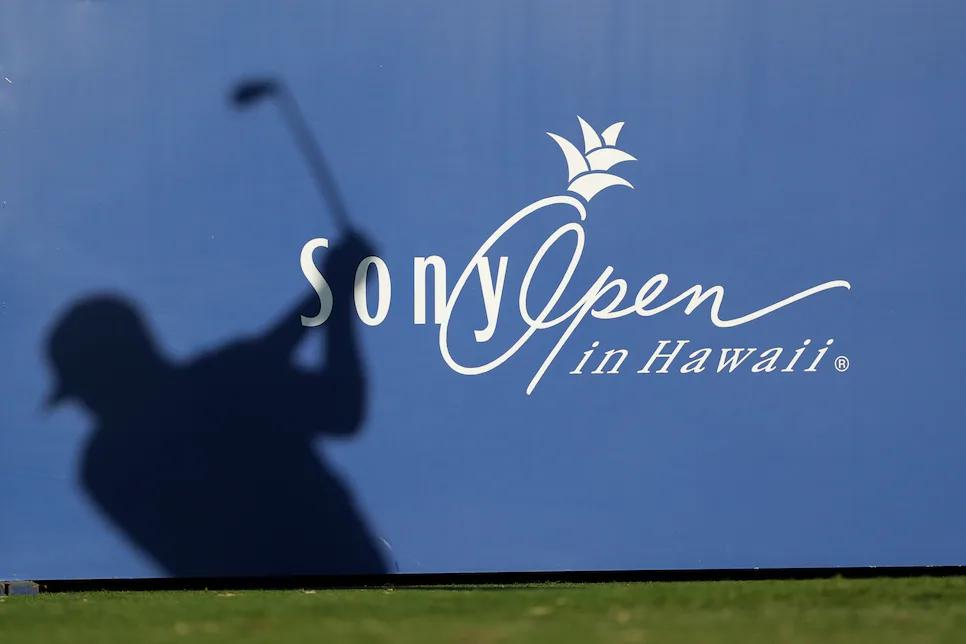
Instead, January 2026 opened with an awkward silence, followed by the realization that the Sony Open in Hawaii—a full-field, grind-it-out event at Waialae—was suddenly carrying the weight of an entire season’s kickoff on its shoulders.

It wasn’t just unusual. It was historic.

Why The Sentry Was Pulled (And Why It Matters)

This wasn’t a scheduling quirk or a sponsor spat. This was environmental reality punching the Tour square in the mouth.

Ongoing drought conditions, unresolved water disputes, and escalating agronomic concerns at Kapalua’s Plantation Course made hosting The Sentry impossible. Officials explored alternatives. Backup venues were discussed. Nothing viable materialized in time.

So the Tour did something it almost never does: it stopped pretending everything was fine.

The result? The latest start to a PGA Tour season since the Tour’s formation in 1969. Let that sink in. More than half a century of seasons—and none began this late.

For a league obsessed with tradition, rhythm, and routine, that’s seismic.

From Fireworks to Fundamentals

The Sentry has become golf’s unofficial New Year’s Day party. Limited field. No cut. Elite winners-only vibe. Aggressive scoring. Casual vibes. A tournament that lets stars ease into the season like it’s preseason with prize money.

Now compare that to the Sony Open.

Full field. Tight fairways. Penal rough. Wind that actually matters. A cut after Friday. Journeymen, rookies, grinders, and stars all shoved into the same ecosystem.

That’s not a soft launch. That’s a cold plunge.

Instead of easing into 2026, the Tour dropped everyone straight into a survival test.

Sony Open: From Afterthought to Main Character

For years, the Sony Open has lived in The Sentry’s shadow. Solid event. Good winner list. Respectable vibes. But it was always the sequel, not the premiere.

Now? It’s the opener. The first tee shot of the season. The first leaderboard anyone actually remembers.

That changes everything.

Players who would normally skip Sony after Kapalua suddenly had to make decisions. Do you start your season in a full-field event? Do you risk rust? Do you grind immediately, or wait another week and fall behind in a season that’s already compressed?

For mid-tier players and rookies, this was Christmas morning. For top stars, it was a calendar curveball they didn’t ask for.

A Ripple Effect Through the Entire Season

Canceling The Sentry didn’t just remove one tournament—it rewired the early-season ecosystem.

Advertisement

Ad space

Advertisement

Ad space

GOLF

The Sentry Is Gone, the Calendar Is Weird, and the PGA Tour Is Starting 2026 on Hard Mode

January 1, 2026

5 min read

var(--variable-ZzdEa2cMS)

Follow Undrafted on Google

The cancellation of The Sentry forced the PGA Tour into its latest season start ever, turning the Sony Open into an unexpected and historic opener for 2026. More than a scheduling hiccup, the move signaled a new reality where environmental constraints can reshape even the Tour’s most entrenched traditions.

For the first time in recent memory—and honestly, for the first time anyone on Tour could remember without digging into microfilm—the PGA Tour season didn’t begin with golf balls flying 350 yards downhill at Kapalua.

No champagne views. No “first swing of the year” narratives. No casual 30-under winning score easing everyone back into the grind.

The Sentry was canceled. And with it went the PGA Tour’s comfort blanket.

Instead, January 2026 opened with an awkward silence, followed by the realization that the Sony Open in Hawaii—a full-field, grind-it-out event at Waialae—was suddenly carrying the weight of an entire season’s kickoff on its shoulders.

It wasn’t just unusual. It was historic.

Why The Sentry Was Pulled (And Why It Matters)

This wasn’t a scheduling quirk or a sponsor spat. This was environmental reality punching the Tour square in the mouth.

Ongoing drought conditions, unresolved water disputes, and escalating agronomic concerns at Kapalua’s Plantation Course made hosting The Sentry impossible. Officials explored alternatives. Backup venues were discussed. Nothing viable materialized in time.

So the Tour did something it almost never does: it stopped pretending everything was fine.

The result? The latest start to a PGA Tour season since the Tour’s formation in 1969. Let that sink in. More than half a century of seasons—and none began this late.

For a league obsessed with tradition, rhythm, and routine, that’s seismic.

From Fireworks to Fundamentals

The Sentry has become golf’s unofficial New Year’s Day party. Limited field. No cut. Elite winners-only vibe. Aggressive scoring. Casual vibes. A tournament that lets stars ease into the season like it’s preseason with prize money.

Now compare that to the Sony Open.

Full field. Tight fairways. Penal rough. Wind that actually matters. A cut after Friday. Journeymen, rookies, grinders, and stars all shoved into the same ecosystem.

That’s not a soft launch. That’s a cold plunge.

Instead of easing into 2026, the Tour dropped everyone straight into a survival test.

Sony Open: From Afterthought to Main Character

For years, the Sony Open has lived in The Sentry’s shadow. Solid event. Good winner list. Respectable vibes. But it was always the sequel, not the premiere.

Now? It’s the opener. The first tee shot of the season. The first leaderboard anyone actually remembers.

That changes everything.

Players who would normally skip Sony after Kapalua suddenly had to make decisions. Do you start your season in a full-field event? Do you risk rust? Do you grind immediately, or wait another week and fall behind in a season that’s already compressed?

For mid-tier players and rookies, this was Christmas morning. For top stars, it was a calendar curveball they didn’t ask for.

A Ripple Effect Through the Entire Season

Canceling The Sentry didn’t just remove one tournament—it rewired the early-season ecosystem.

Advertisement

Ad space

GOLF

The Sentry Is Gone, the Calendar Is Weird, and the PGA Tour Is Starting 2026 on Hard Mode

January 1, 2026

5 min read

var(--variable-ZzdEa2cMS)

Follow Undrafted on Google

The cancellation of The Sentry forced the PGA Tour into its latest season start ever, turning the Sony Open into an unexpected and historic opener for 2026. More than a scheduling hiccup, the move signaled a new reality where environmental constraints can reshape even the Tour’s most entrenched traditions.

For the first time in recent memory—and honestly, for the first time anyone on Tour could remember without digging into microfilm—the PGA Tour season didn’t begin with golf balls flying 350 yards downhill at Kapalua.

No champagne views. No “first swing of the year” narratives. No casual 30-under winning score easing everyone back into the grind.

The Sentry was canceled. And with it went the PGA Tour’s comfort blanket.

Instead, January 2026 opened with an awkward silence, followed by the realization that the Sony Open in Hawaii—a full-field, grind-it-out event at Waialae—was suddenly carrying the weight of an entire season’s kickoff on its shoulders.

It wasn’t just unusual. It was historic.

Why The Sentry Was Pulled (And Why It Matters)

This wasn’t a scheduling quirk or a sponsor spat. This was environmental reality punching the Tour square in the mouth.

Ongoing drought conditions, unresolved water disputes, and escalating agronomic concerns at Kapalua’s Plantation Course made hosting The Sentry impossible. Officials explored alternatives. Backup venues were discussed. Nothing viable materialized in time.

So the Tour did something it almost never does: it stopped pretending everything was fine.

The result? The latest start to a PGA Tour season since the Tour’s formation in 1969. Let that sink in. More than half a century of seasons—and none began this late.

For a league obsessed with tradition, rhythm, and routine, that’s seismic.

From Fireworks to Fundamentals

The Sentry has become golf’s unofficial New Year’s Day party. Limited field. No cut. Elite winners-only vibe. Aggressive scoring. Casual vibes. A tournament that lets stars ease into the season like it’s preseason with prize money.

Now compare that to the Sony Open.

Full field. Tight fairways. Penal rough. Wind that actually matters. A cut after Friday. Journeymen, rookies, grinders, and stars all shoved into the same ecosystem.

That’s not a soft launch. That’s a cold plunge.

Instead of easing into 2026, the Tour dropped everyone straight into a survival test.

Sony Open: From Afterthought to Main Character

For years, the Sony Open has lived in The Sentry’s shadow. Solid event. Good winner list. Respectable vibes. But it was always the sequel, not the premiere.

Now? It’s the opener. The first tee shot of the season. The first leaderboard anyone actually remembers.

That changes everything.

Players who would normally skip Sony after Kapalua suddenly had to make decisions. Do you start your season in a full-field event? Do you risk rust? Do you grind immediately, or wait another week and fall behind in a season that’s already compressed?

For mid-tier players and rookies, this was Christmas morning. For top stars, it was a calendar curveball they didn’t ask for.

A Ripple Effect Through the Entire Season

Canceling The Sentry didn’t just remove one tournament—it rewired the early-season ecosystem.

Advertisement

Ad space