






















F1 Set to Cap Engine Makers at Two Teams From 2030, Leaving Two of McLaren, Williams and Alpine Without Mercedes Power
F1's power unit manufacturers have agreed to supply no more than two teams each from 2030, according to Motorsport.com, which would force two of Mercedes' three customers, McLaren, Williams and Alpine, to find new engines.
The V8 headline grabbed the attention. The fine print might matter more. Formula 1's six power unit manufacturers have agreed to supply no more than two teams each from 2030, including their own works squad, according to a report from Motorsport.com, and that one line could force the biggest engine shuffle the grid has seen in years.
The cap was not part of the FIA's public announcement last week, when it said there was unanimous support for bringing the next power unit rules forward to 2030. Instead, Motorsport.com reported, it sits inside a wider FIA document on the 2030 framework. It still needs approval from the FIA World Motor Sport Council, which is expected to consider the package in Shanghai next month.
Two Supplies, Not Four
Undrafted covered the 2030 agreement in principle last week: 2.1-liter V8 engines with a turbocharger, a maximum of 200 kilowatts of electric power and sustainable fuels. The supply cap is the business side of that same reset.
Under the reported framework, each manufacturer supplies its works team plus one customer. Motorsport.com said one goal is to cut the political influence of manufacturers that power a large share of the grid. The manufacturers themselves were reportedly open to it, since supplying engines is a loss-making business when the price per supply is capped at $18 million a season.
There is a safety net. Grandprix.com reported that the proposed rules include an obligation-to-supply mechanism so that no team is left without an engine, which could require a manufacturer to serve a third team as a last resort. RacingNews365 cautioned that discussions on the details are still ongoing and nothing is set in stone.
The Mercedes Squeeze
Most of the grid barely notices this rule. Ferrari currently supplies itself, Haas and Cadillac, but Cadillac is moving to in-house General Motors engines in 2030, so Ferrari's problem solves itself. Red Bull Powertrains already handles just two teams, Red Bull Racing and Racing Bulls. Audi, Honda with Aston Martin and GM with Cadillac each have only their works operation.
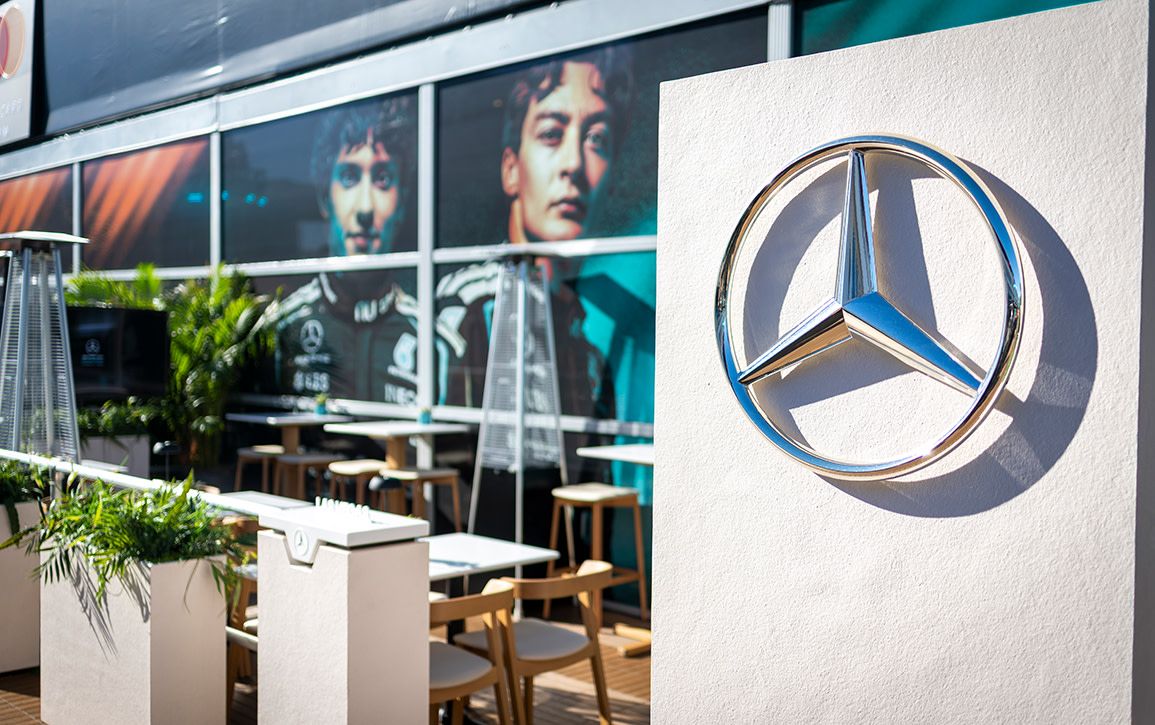
Mercedes is the outlier. Its Brixworth engine division supplies McLaren, Williams and Alpine on top of the factory team in Brackley. Alpine is the newest customer, having switched after parent company Renault sold its in-house engine operation. Under a two-team cap, two of those three need a new supplier for 2030.
That is not a small ask. Motorsport.com called Mercedes F1's most reliable and performant power unit supplier since the hybrid era began in 2014, and described the alternatives as currently less desirable. RacingNews365 reported that the hope is for Audi and Honda, which currently supply only one team each, to pick up customers.
McLaren Wants to Stay Put
McLaren has made its preference loud and clear. CEO Zak Brown said in Las Vegas that the team had once looked at building its own power unit but has moved on from that idea.
"It's something we've looked at in the past, but we're very happy with HPP," Brown said, referring to Mercedes High Performance Powertrains. "I think we've proven that we can win championships with them, so we don't have any intention to have anything in the back of our car other than a Mercedes."
Motorsport.com reported that Williams also fancies its chances of staying with Mercedes. Williams has bought Mercedes engines since the start of the turbo hybrid era in 2014, according to RacingNews365.
Who Does Mercedes Pick?
This is where it gets political. Mercedes' own preference is less clear. According to Motorsport.com, CEO Toto Wolff has maintained that a customer win is still good for the Mercedes brand and that a strong customer gives the works team a useful chassis benchmark.
The awkward part is that the strongest customer is also the biggest threat. McLaren beat Mercedes in 2024 and 2025, and Motorsport.com noted that the relationship came under some strain early this year over how to get the most out of the new power units. Mercedes did reclaim the top spot this season, clinching the constructors' title in Sao Paulo.
So the choice comes down to keeping your fiercest rival on your engine, or backing a midfield team that is less likely to beat the works car. Neither option is free. Drop McLaren, and a championship-level team has to go find a new partner. Keep McLaren, and Williams, a customer for over a decade, goes shopping.
The End of the FIA Engine Idea
The cap also appears to kill FIA president Mohammed Ben Sulayem's floated plan for an off-the-shelf, independent engine supply. Motorsport.com reported that idea never looked economically viable, and with six manufacturers each allowed two supplies, there would be at least 12 available for 11 teams.
Nothing is final until the World Motor Sport Council votes. But if the cap survives Shanghai, the 2030 grid is going to be decided in boardrooms long before anyone fires up a V8. For the here and now, here is where the standings stood with three races left in 2026.
Sources: Motorsport.com, Grandprix.com, RacingNews365
Related Coverage

Haas Confirms Rafael Câmara for Qatar and Abu Dhabi, Likely Costing Him a Shot at the F2 Title
F1 Agrees in Principle to Bring Back V8 Engines in 2030 With a 2.1-Liter Turbo and Less Hybrid Power
Haas Keeps Rafael Câmara in the Car for the Las Vegas Grand Prix as Ryo Hirakawa Returns for FP1

More From Kiley McFadden
View All stories by Kiley McFadden
Notre Dame Safety Luke Talich Out for the Season With a Torn Achilles Suffered Against SMU

Lane Kiffin Apologizes for Halftime Profanity in LSU's Loss at Tennessee as Tigers Fall to 6-5